
Are you considering dentures as a solution to your missing teeth? Losing teeth can be a challenging experience, affecting your self-confidence and oral health. However, thanks to modern dental advancements, dentures can restore your smile and allow you to enjoy a functional set of teeth again. If you’re considering dentures or have recently acquired them, it’s natural to have questions and concerns. This blog will explore what you can expect when you start wearing dentures. We will cover key aspects of the adjustment period, speaking, eating and chewing, oral hygiene, and adhesive usage. We’ll discuss the initial adjustment period, including potential discomfort and how to manage it. You’ll learn about the impact on your speech and how to regain your natural speech patterns. We’ll also guide eating and chewing with dentures, proper oral hygiene practices, and the use of denture adhesives. Understanding these aspects will help you confidently navigate the journey of wearing dentures. So, let’s dive in and explore what to expect when you embark on your denture-wearing journey.
What Are Dentures?
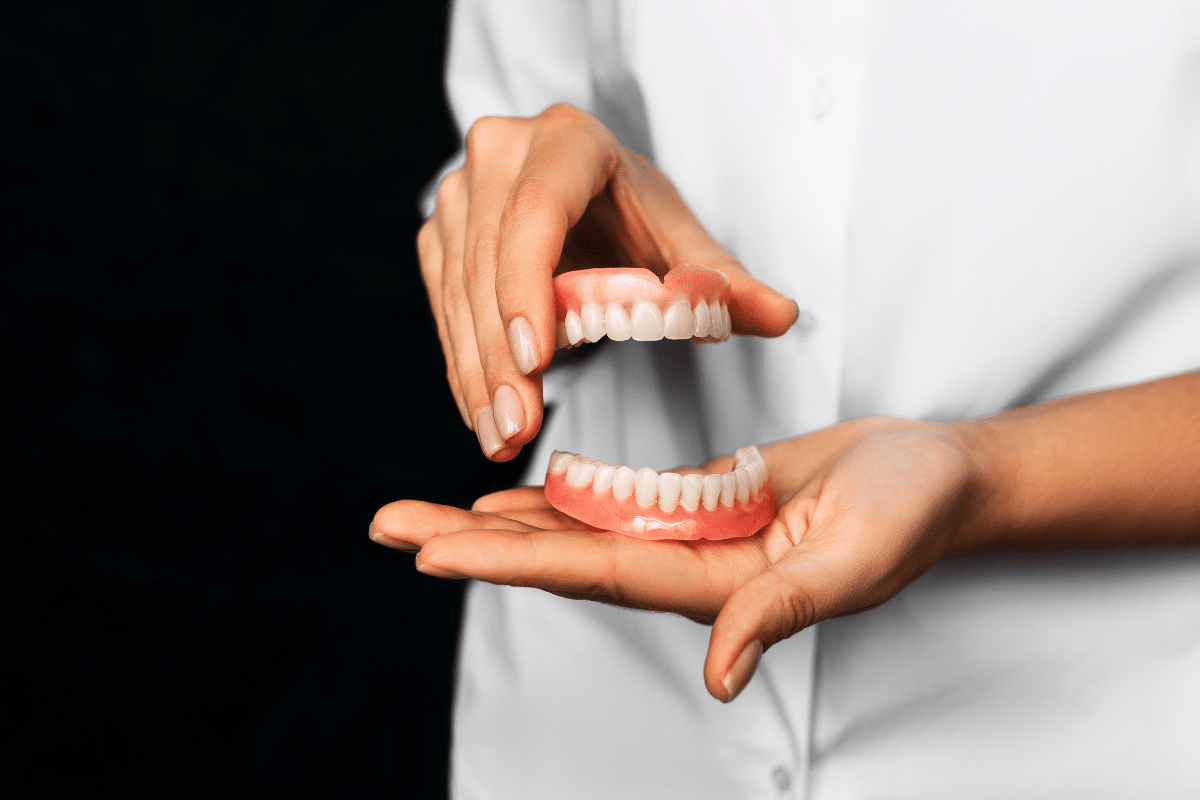
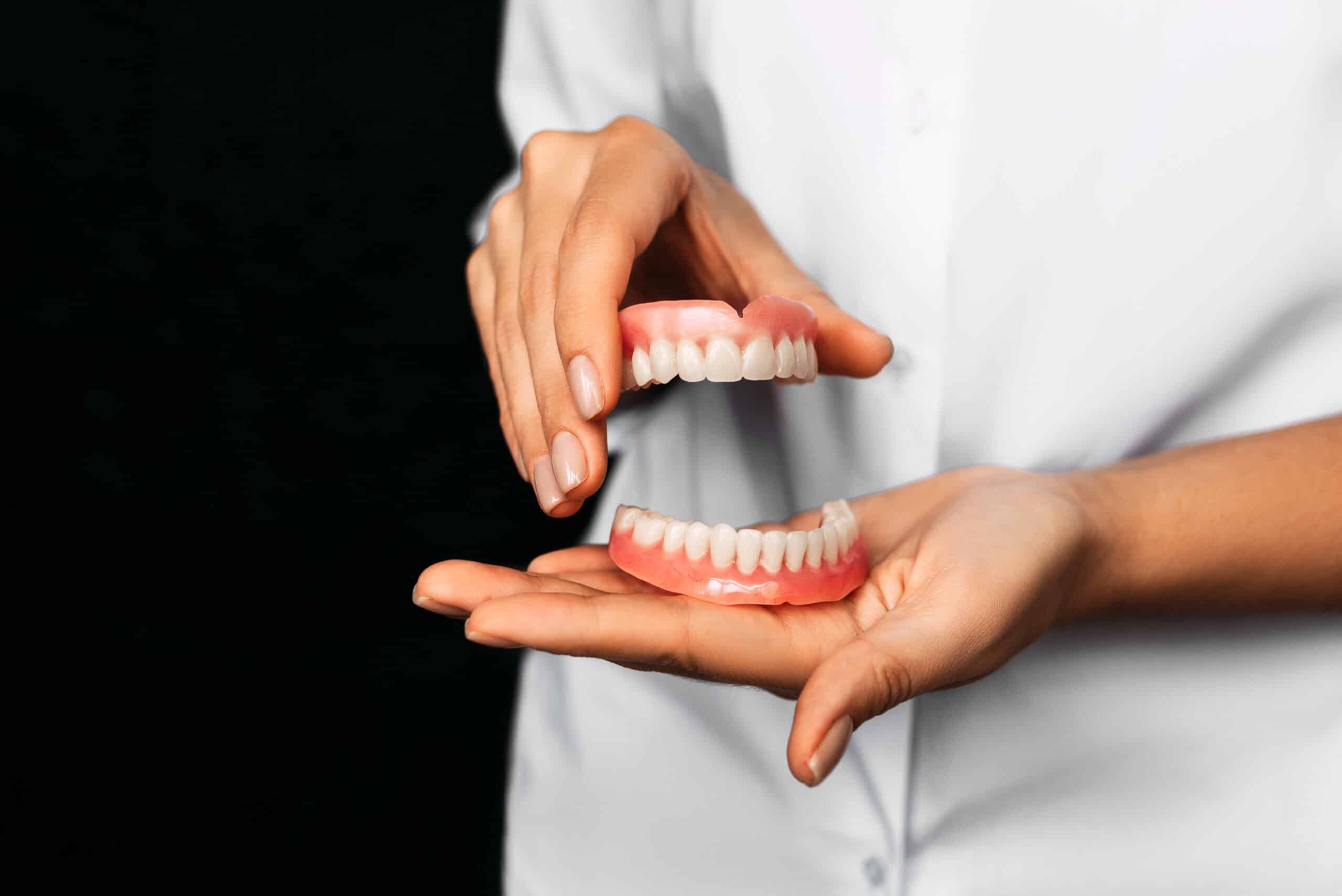
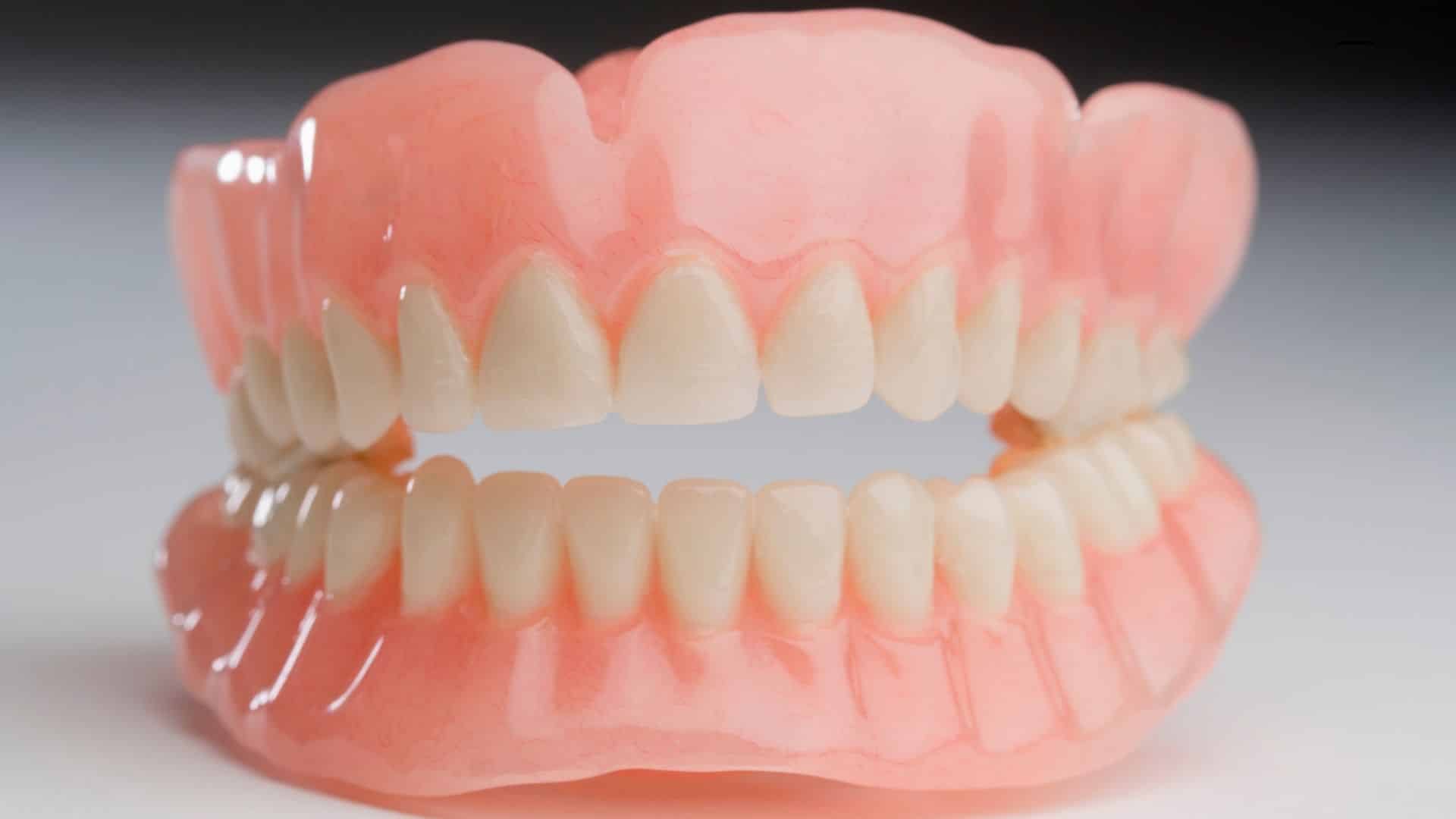
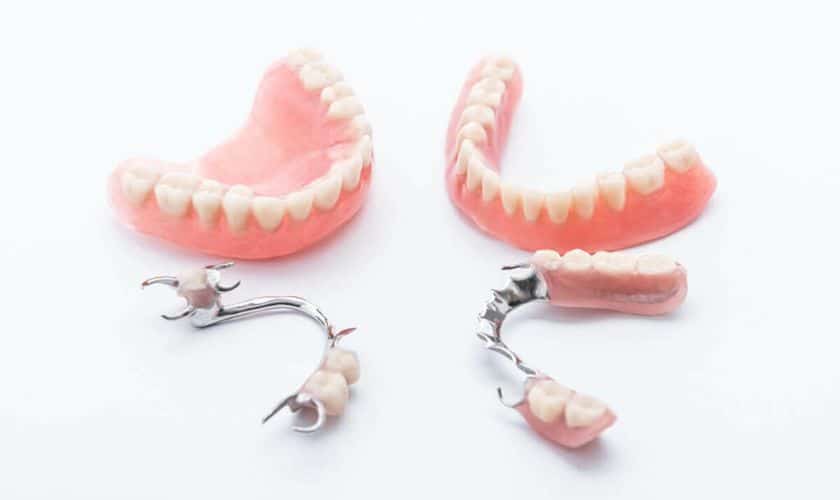
Dentures are removable prosthetic appliances designed to replace missing teeth and surrounding tissues. They can be made of acrylic, porcelain, or both. Dentures come in two types: complete dentures and partial dentures. Complete dentures are used when all the teeth are missing, while partial dentures replace one or more missing teeth and can be attached to existing natural teeth with clasps or precision attachments. Getting dentures involves several steps, including taking impressions of your mouth, creating models for fitting purposes, selecting the right shade for your new teeth, and conducting necessary adjustments after the final placement. I want to let you know that wearing dentures may take time to get used to. Initially, you may experience some discomfort while speaking or eating, but this should diminish over time as you adjust to your new set of teeth. Proper care is also essential in maintaining oral health while wearing denture appliances. It is crucial to consult your dental professional about whether or not denture treatment is right for you based on individual needs and preferences.
How To Choose The Right Dentures
Choosing the right dentures can seem daunting, but it doesn’t have to be. First and foremost, it’s important to understand the different types of dentures available. There are complete dentures that replace all teeth in either the upper or lower jaw, partial dentures that replace a few missing teeth, and implant-supported dentures which use dental implants for added stability. When choosing your dentures, consider your lifestyle and budget. For example, if you’re an active person who enjoys sports or outdoor activities, implant-supported dentures may be a better option as they offer increased stability compared to traditional options. Choosing a reputable dentist specializing in fitting and creating custom-made dentures is also important. They will take precise measurements of your mouth and ensure your new dentures fit comfortably and securely. Your new smile should look natural and complement your facial features. Consider factors such as tooth size, color, shape, and positioning when selecting the right set of teeth for you. Be bold and ask questions throughout the process. A good dentist will take care of your worries so you feel confident about your decision. Remember that finding the perfect pair of dentures takes time but is worth it for improved oral health and confidence in daily life!
How To Care For Dentures
Taking care of your dentures is essential to maintaining good oral hygiene and ensuring they last as long as possible. Here are some tips to help you keep them clean and in good condition.
- Remove your dentures before cleaning – Removing them before cleaning is important to avoid damaging them. Use a soft-bristled brush or a special denture brush to gently scrub away any food particles or debris that may have accumulated throughout the day.
- Avoid abrasive cleaners – Abrasive cleaners can scratch the surface of your dentures, making them more susceptible to bacteria buildup and staining. Please stick with mild soap or a specialized denture cleaner instead.
- Soak overnight – Soaking your dentures overnight in water or a specialized soaking solution helps loosen any remaining debris, making them easier to clean the next morning.
- Rinse after eating – Rinse your mouth thoroughly with water to prevent food particles from getting trapped under your dentures.
- Schedule regular dental checkups – Regular dental checkups will promptly address any issues related to improper fitting or damage by professionals who specialize in caring for patients wearing prosthetic teeth.
What To Eat With Dentures
Eating with dentures can initially feel intimidating, but it doesn’t have to be. Here are some tips for what to eat with your new teeth replacement:
Start Slow: It’s best to start with soft and easy-to-chew foods like scrambled eggs, ripe bananas, or mashed potatoes. This will help you get used to the sensation of chewing with dentures.
Avoid Sticky Foods: Sticky and chewy foods like caramel or taffy can dislodge your dentures or cause them to shift around in your mouth. You can leave those treats alone for a while.
Cut Food into Small Pieces: Cutting food into smaller pieces makes chewing easier and lessens the risk of damaging dentures. Try slicing fruits, vegetables, meats, or sandwiches into bite-sized portions.
Chew Carefully and Evenly: Chewing evenly on both sides of your mouth will keep pressure from building up on one side, which can loosen or damage your denture over time.
Be Mindful of Hot Foods and Drinks: Dentures don’t provide natural heat resistance, so always test hot foods carefully before taking a bite. With patience, practice, and following these guidelines eating with dentures should eventually become second nature!
Common Denture Problems And Solutions
Dentures can bring a new lease of life to those who have lost their natural teeth. However, just like any other dental appliance, dentures must address problems promptly for optimal comfort and performance. One common problem denture wearers face is mouth sores or irritation caused by ill-fitting dentures. This can be resolved by adjusting the fit of the dentures or using a soothing gel recommended by your dentist. Another area for improvement is speaking or eating properly due to slipping or loose-fitting dentures. In such cases, using adhesives may help you, but it’s important to consult your dentist for proper adjustment. Sometimes people experience an unpleasant odor emanating from their mouths while wearing dentures. Proper cleaning and maintenance are vital in preventing this issue, as are regular dental visits for professional cleaning. Cracked or broken dentures can also pose a problem requiring immediate attention from a dental professional.
Transitioning to wearing dentures may seem daunting at first. However, with the right information and mindset, it can be a positive experience that restores your confidence and improves your quality of life. Please remember to choose the right type of dentures for you, take care of them, and keep an open line of communication with your dental professional. With proper maintenance and adjustments as necessary, your dentures can last for years to come. And if you experience any problems or discomfort, don’t hesitate to ask for help. Following the guidelines outlined in this comprehensive guide about what to expect when you start wearing dentures, you can easily and gracefully navigate this new chapter.