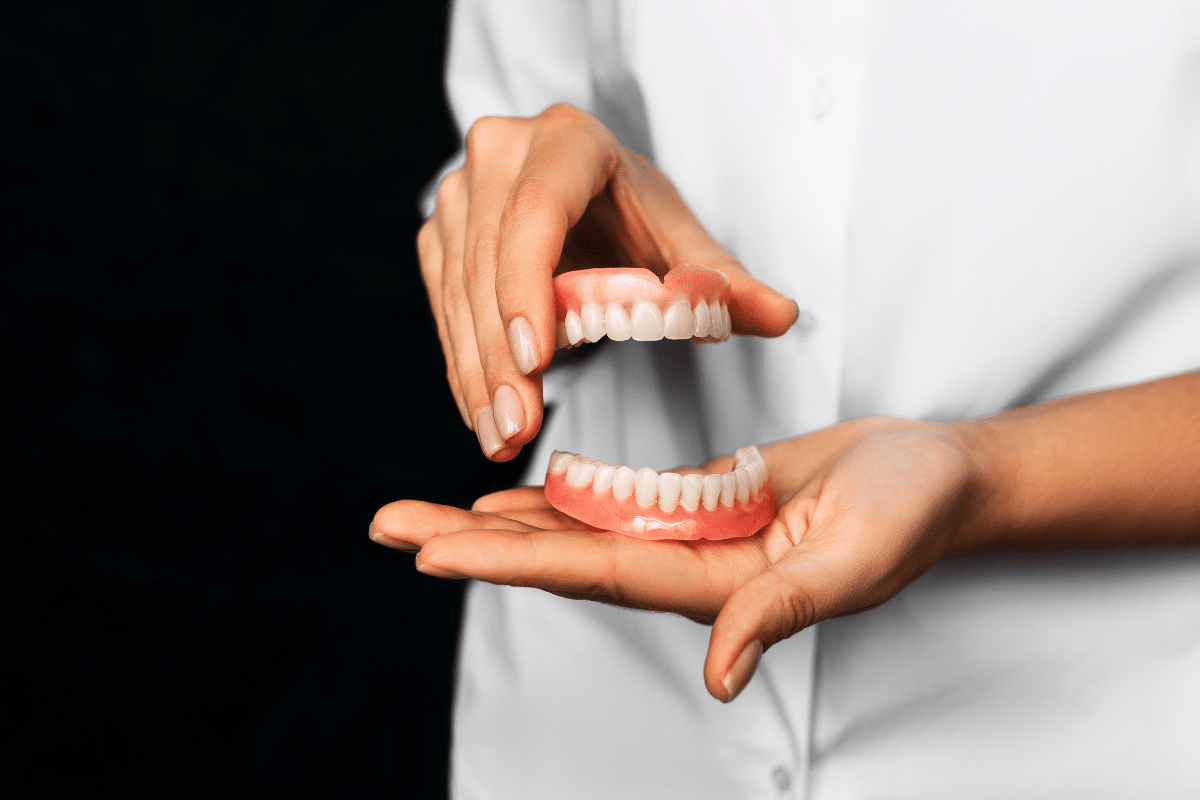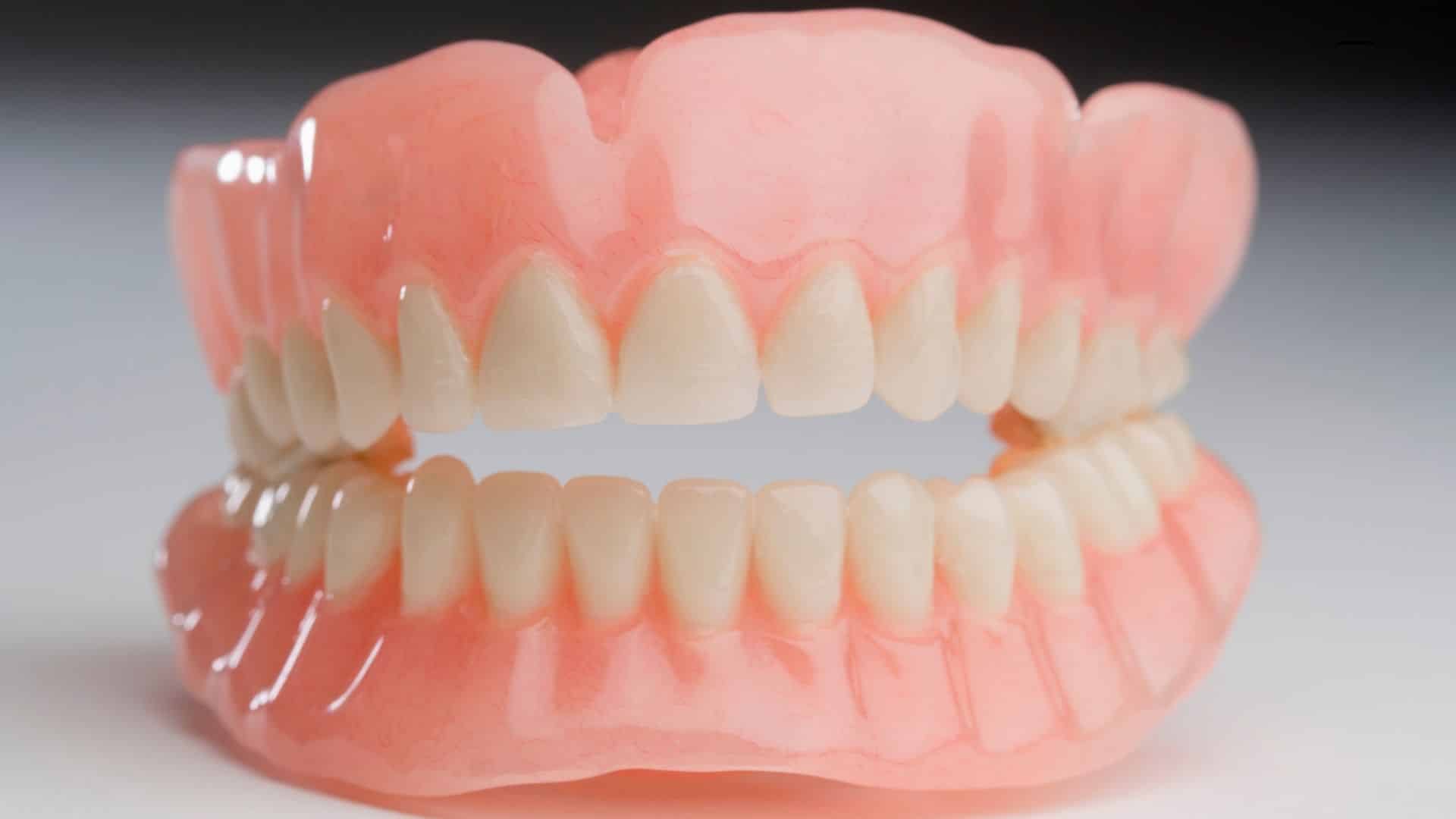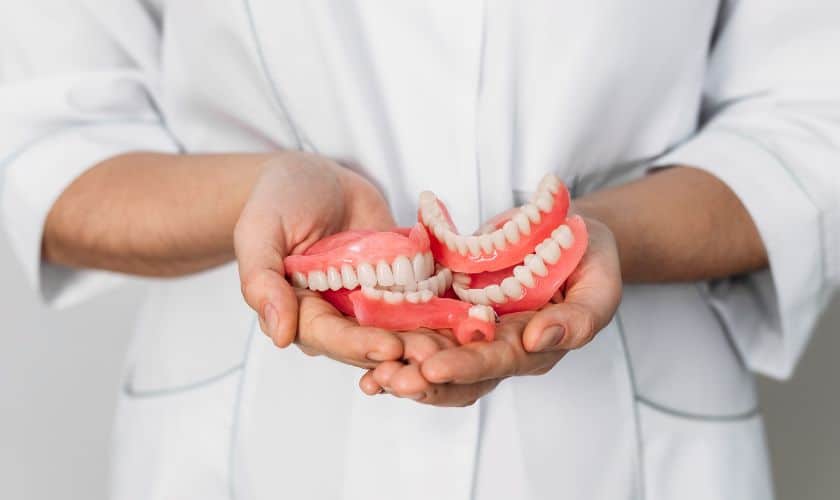

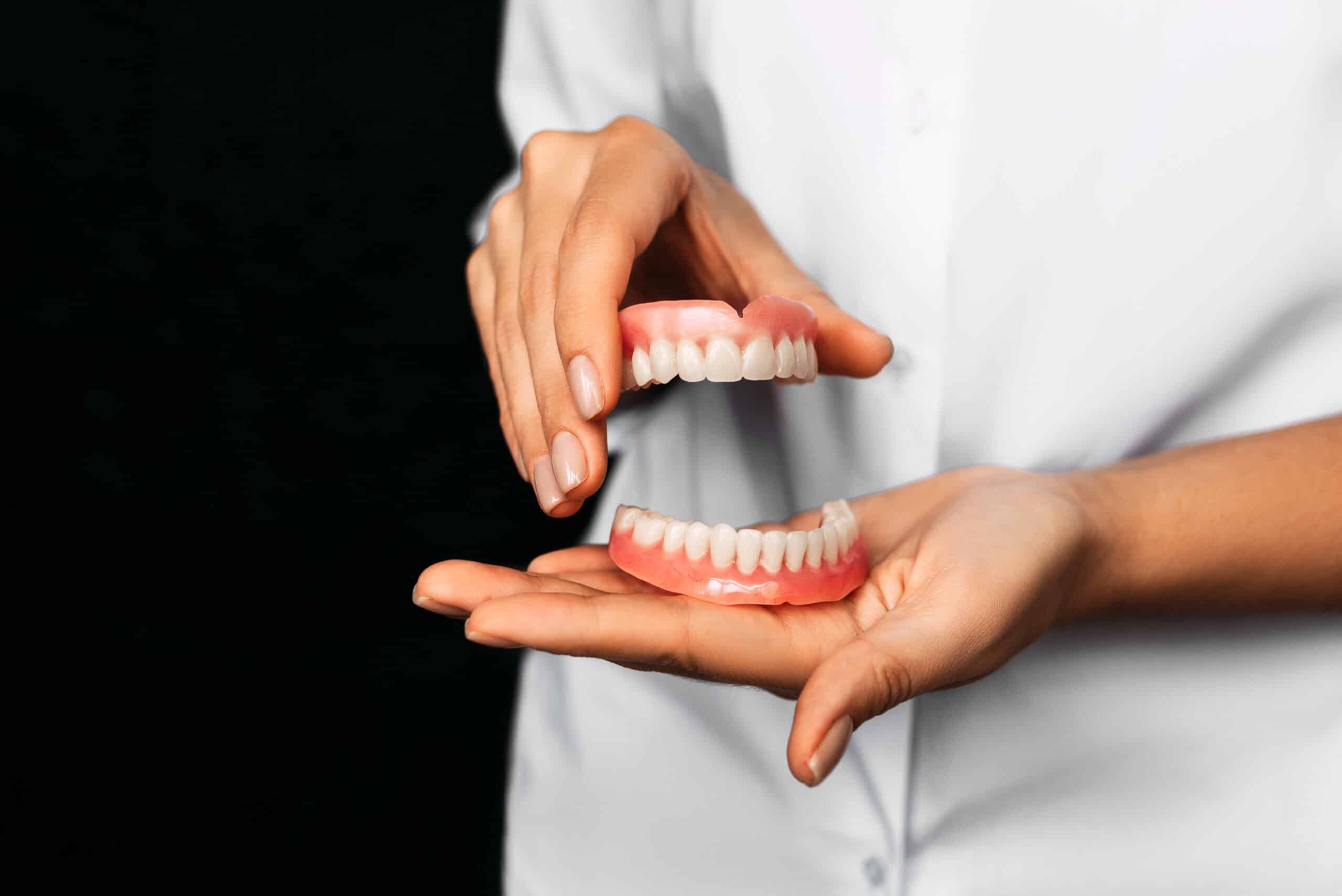
According to the Centers for Disease Control and Prevention, about one in six adults aged 65 or above has lost all their teeth. Many turn to dentures to restore their function and confidence. However, what happens when those oral appliances no longer fit the way they used to? Do you need to replace them, or can they be adjusted? If you have been asking yourself this question, keep reading the blog till the end.
When Do Dentures Begin to Feel Off?
If you feel these false teeth to be loose, uncomfortable, or if you are having a hard time eating or speaking, there is a reason for that. Keep reading to get a clear picture.
- Natural Changes in Your Mouth – With time, your gums and jawbone shift due to bone loss and changes in tissue structure. This is a natural part of aging, especially after tooth loss. As the shape of your mouth changes, you will find these oral appliances no longer fit the way they used to, causing discomfort, rubbing, or even slipping while talking or eating.
- Recent Tooth Extractions or Oral Procedures – If you recently had teeth removed before getting your replacement teeth, your mouth may still be healing. Swelling or bone changes can affect the way they fit, especially in the first few months. Regular follow-ups are essential to track how your gums are settling and whether your dentures need tweaking.
- Wear and Tear – These oral appliances do not last forever. Even with excellent care, the materials wear down or become damaged. Cracks, warping, or worn-down areas can reduce suction and cause shifting or discomfort. This is why it is essential to inspect your dentures regularly or let a professional check them out during your dental visits.
- Poor Fit from the Beginning – In some cases, these oral appliances do not fit well from the Beginning. If they were not crafted precisely, or if your mouth changed faster than expected, you might start experiencing problems right away. If you are Googling ‘dentist near me’ more often due to discomfort from these false teeth, you might need realignment or replacement to fix this.
Signs It May Be Time for a Replacement
If you are unsure whether your dental plates need replacing, here are certain signs to look out for:
- Persistent soreness or irritation in your gums
- Clicking or slipping while speaking
- Trouble chewing food you used to eat comfortably
- Pressure sores or blisters in your mouth
- Visible damage such as chips, cracks, or thinning material
You may also start avoiding certain foods or social situations, which is a strong sign that your oral appliances are affecting your quality of life. If you are searching for a reliable dentist in Grapevine, reach out to our professional for reliable care.
What are the Options Available if Your Dentures Feel Off?
There are solutions available, but it depends on the extent of the issue. Here are some of the options available:
- Denture Adhesives – This offers short-term relief by improving grip and suction. However, if you rely on adhesives regularly, your oral appliances will probably need adjustment.
- Relining – This process involves reshaping the underside of your dentures to match your current gum line. It is ideal if your false teeth are in adequate condition, but your mouth has changed shape.
- Adjustments – Minor modifications by your dentist in Grapevine can often manage rubbing or pressure points.
- Replacement – If your oral prosthesis is more than five years old or has significant wear, it is time to get a new set. This ensures your bite, comfort, and appearance stay at their best.
If your dentures no longer fit like they used to, you do not have to keep struggling. Whether it is a quick adjustment, a reline, or a complete replacement, you must get it done by an efficient dental practitioner.
Thus, if you are looking for a trustworthy dental practice in Grapevine, schedule a consultation with our professional at DFW Smiles. Book an appointment today to experience the difference.