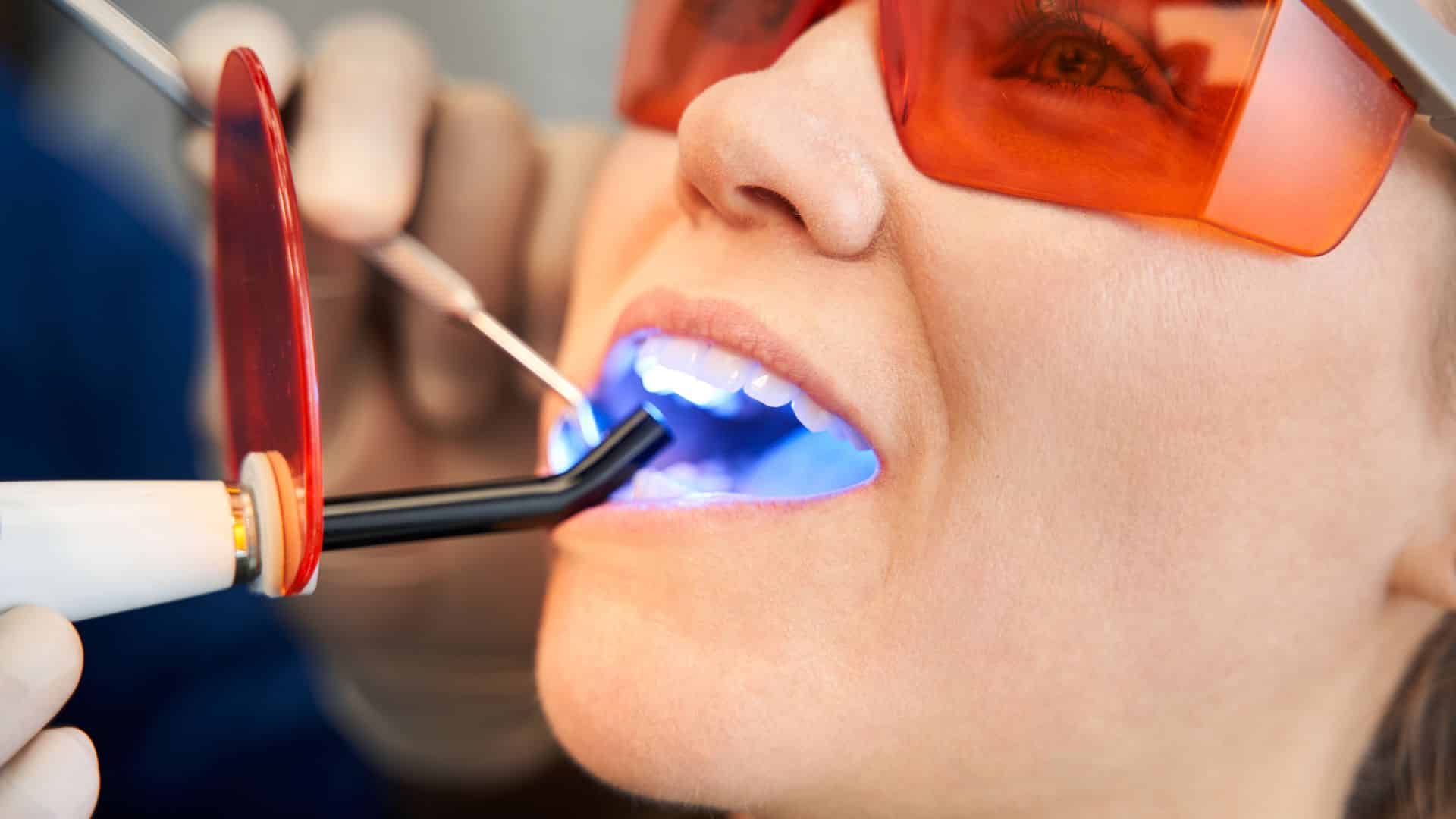


Tooth sensitivity is a common dental issue experienced by many individuals. However, it can become exacerbated following dental fillings, causing discomfort and inconvenience. Understanding the reasons behind increased tooth sensitivity post-fillings is crucial for effective management and care. In this article, we’ll explore the causes of heightened sensitivity after dental fillings and discuss strategies for managing this discomfort.
Why Does Tooth Sensitivity Increase After Fillings?
Exposed Dentin and Nerve Irritation
One of the primary reasons for increased tooth sensitivity after fillings is the exposure of dentin, the layer beneath the enamel, during the filling process. Dentin contains microscopic tubules that connect to the nerve endings within the tooth. When the dentist removes decay and prepares the tooth for filling, it can sometimes expose these tubules, leading to heightened sensitivity. The filling material itself can also transmit temperature changes and pressure more directly to the nerve, causing discomfort.
Inflammatory Response
The process of getting a dental filling can trigger an inflammatory response in the surrounding tissues. This inflammatory reaction is a natural part of the body’s healing process but can contribute to increased tooth sensitivity. The tissues around the filling may become swollen or irritated, putting pressure on the nerves and leading to heightened sensitivity. Additionally, any trauma caused to the tooth during the filling procedure can exacerbate inflammation and discomfort.
Type of Filling Material Used
The type of filling material used can also influence post-filling sensitivity. Tooth-colored composite fillings, while aesthetically pleasing, can sometimes cause more sensitivity compared to traditional amalgam fillings. This is because composite fillings bond directly to the tooth structure and can transmit sensations more effectively. Additionally, composite fillings may shrink slightly as they harden, which can create microscopic gaps between the filling and the tooth, increasing sensitivity. Amalgam fillings, on the other hand, do not bond directly to the tooth and are less likely to cause post-filling sensitivity.
Increased tooth sensitivity following fillings can be uncomfortable, but understanding the underlying causes can help alleviate discomfort and improve dental health. Exposed dentin, inflammatory responses, and the type of filling material used all contribute to heightened sensitivity after dental fillings. However, there are several strategies for managing post-filling sensitivity, including using desensitizing toothpaste, avoiding extreme temperatures, and practicing good oral hygiene. If you experience persistent or severe sensitivity after dental fillings, it’s essential to consult with your dentist to determine the best course of action. With proper care and attention, you can minimize discomfort and maintain optimal oral health following fillings.