

Having a tooth removed can relieve severe pain, infection, or pressure, but recovery does not end when you leave the dental chair. Proper tooth extraction aftercare protects the surgical site and supports healthy tissue formation.
At DFW Smiles, Dr. Brown helps patients understand what to expect after an extraction and how to recognize a possible complication. Our team also provides follow-up care when pain, swelling, or bleeding does not improve as expected.
Why Is the Blood Clot Important After an Extraction?
After a tooth is removed, a blood clot forms inside the empty socket. This clot acts as a protective layer over the underlying bone and nerves. It also creates the foundation for new tissue to develop.
If the clot dissolves too early or becomes dislodged, the socket may be exposed. This can lead to alveolar osteitis, commonly called dry socket. Although dry socket is not necessarily a bacterial infection, it can cause intense pain and delay healing at the extraction site.
Protecting the clot is therefore the central goal of tooth extraction aftercare during the first few days.
What Should You Do During the First 24 Hours?
The first day is a critical stage of healing. Follow your dentist’s instructions, as recommendations can vary depending on the tooth removed and the complexity of the procedure.
Control Bleeding Carefully
Bite gently but firmly on the gauze placed over the socket. Replace it only as directed. Mild oozing can occur, but heavy or persistent bleeding requires professional attention.
Protect the Extraction Site
For the first 24 hours:
- Do not rinse your mouth forcefully.
- Avoid vigorous spitting.
- Do not touch the socket with your tongue or fingers.
- Do not drink through a straw.
- Limit strenuous exercise.
- Keep your head elevated while resting.
- Avoid smoking, vaping, and other tobacco products.
Suction and repeated pressure changes inside the mouth can disturb the clot. Smoking can also reduce blood flow and interfere with healing.
How Can You Prevent an Infection After Tooth Removal?
Bacteria and food debris may collect around a healing socket. Keeping your mouth clean is important, but the area must be treated gently.
Brush and floss the other teeth as usual, taking care to avoid direct contact with the surgical site. Unless your dentist provides different instructions, you can usually begin gentle warm saltwater rinses after the first 24 hours. Allow the liquid to move around the mouth without aggressive swishing, then let it fall out instead of forcefully spitting.
Follow these additional tooth extraction aftercare measures:
- Wash your hands before handling gauze.
- Take prescribed medication exactly as directed.
- Do not use leftover antibiotics.
- Complete an antibiotic course if it has been prescribed.
- Keep food particles away from the socket.
- Attend any recommended follow-up visit.
Antibiotics are not routinely necessary after every extraction. A dentist must determine whether they are appropriate based on the procedure, the risk of infection, and your health history.
What Foods Support a Comfortable Recovery?
Choose cool or lukewarm soft foods during the initial healing period. Applesauce, yogurt, mashed potatoes, scrambled eggs, smoothies eaten with a spoon, and soft pasta may be easier to manage.
Avoid crunchy, sticky, spicy, or very hot foods. Seeds, popcorn, chips, and nuts can become trapped in the socket. Chew on the opposite side whenever possible and drink water regularly without using a straw.
How Can You Recognize Dry Socket?
Dry socket pain typically develops or intensifies several days after an extraction. The discomfort may radiate toward the ear, temple, neck, or jaw. Other signs can include an unpleasant taste, bad breath, or a socket that appears empty.
Normal soreness should gradually become more manageable. Pain that strengthens after an initial improvement warrants examination. Dr. Brown may clean the area and place a medicated dressing to reduce discomfort. If symptoms concern you, visit our dental office rather than placing aspirin, clove oil, or another home remedy directly into the socket.
When Should You Contact an Emergency Dentist?
Call an emergency dentist in Grapevine if you develop:
- Severe or rapidly increasing pain.
- Bleeding that does not stop with firm gauze pressure.
- Pus or drainage from the socket
- Fever or chills
- Increasing facial or jaw swelling
- Difficulty breathing or swallowing
- A persistent foul taste or odor
Searching for an emergency dentist near me can help you locate immediate assistance.
An emergency dentist in Grapevine can distinguish a dry socket from an infection and recommend the appropriate treatment.
Protect Your Recovery With Professional Dental Care
Consistent post-extraction care can reduce complications, protect the blood clot, and support a smoother recovery. If pain or swelling worsens instead of improving, do not wait for the problem to resolve on its own. Book an appointment at our practice and treat the underlying infection.
Frequently Asked Questions
How long does tooth extraction aftercare usually last?
Most discomfort and swelling begin improving within several days, although the socket takes longer to close completely. Surgical or wisdom tooth extractions may require additional recovery time. Follow your dentist’s instructions until the site has healed.
Can I brush my teeth after an extraction?
Yes, but avoid brushing the socket directly during early healing. Clean the surrounding teeth carefully with a soft-bristled toothbrush. Gentle oral hygiene limits bacterial buildup without damaging the blood clot.
Does a bad taste always mean the socket is infected?
No. Blood, medication, or trapped debris may temporarily affect taste. However, a persistent foul taste combined with fever, pus, worsening swelling, or increasing pain should be evaluated promptly.
How is dry socket treated?
A dentist may gently irrigate the socket and place a soothing medicated dressing. Pain medication may also be recommended. Dry socket cannot be reliably diagnosed or managed through home remedies alone.
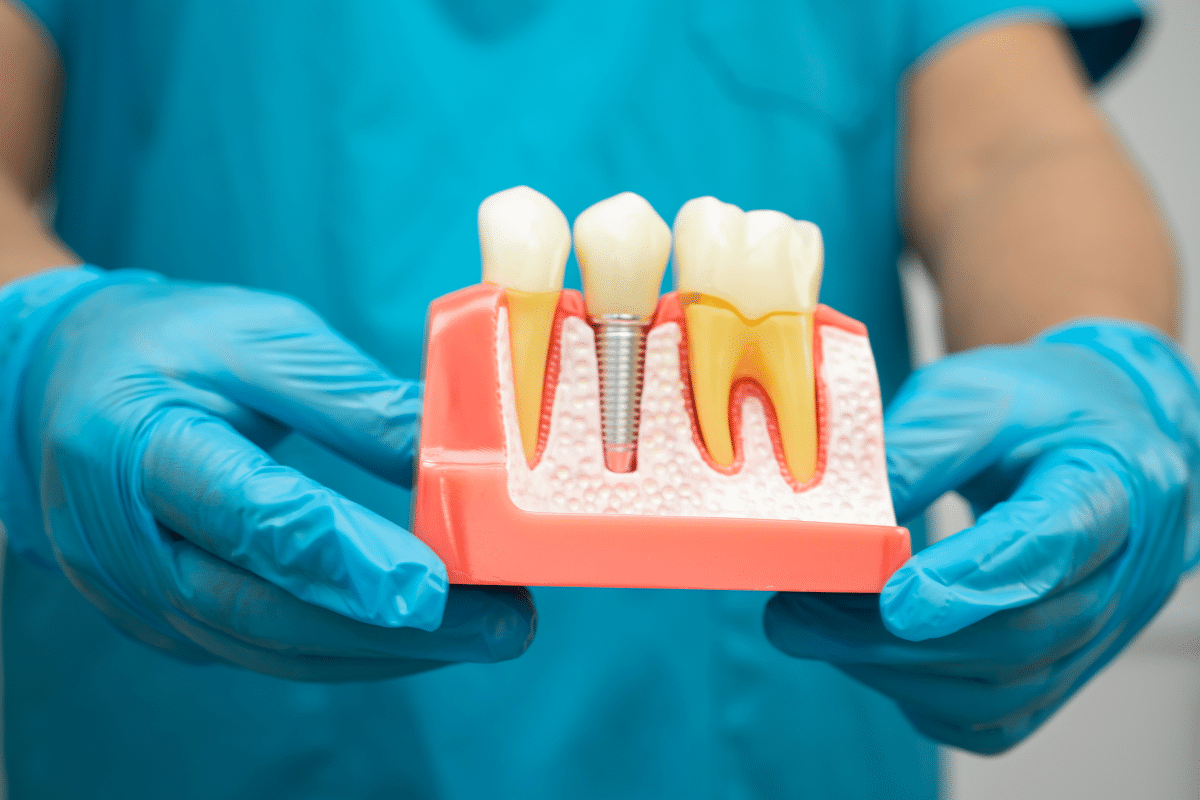
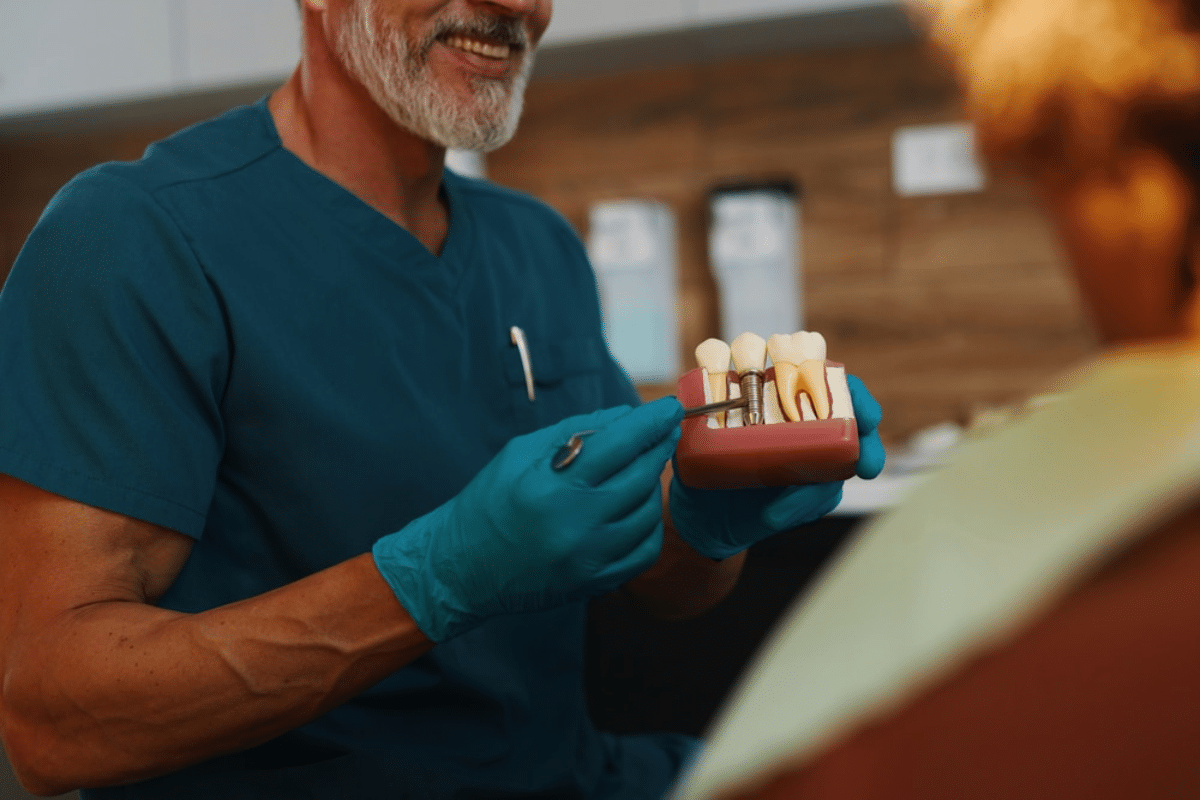
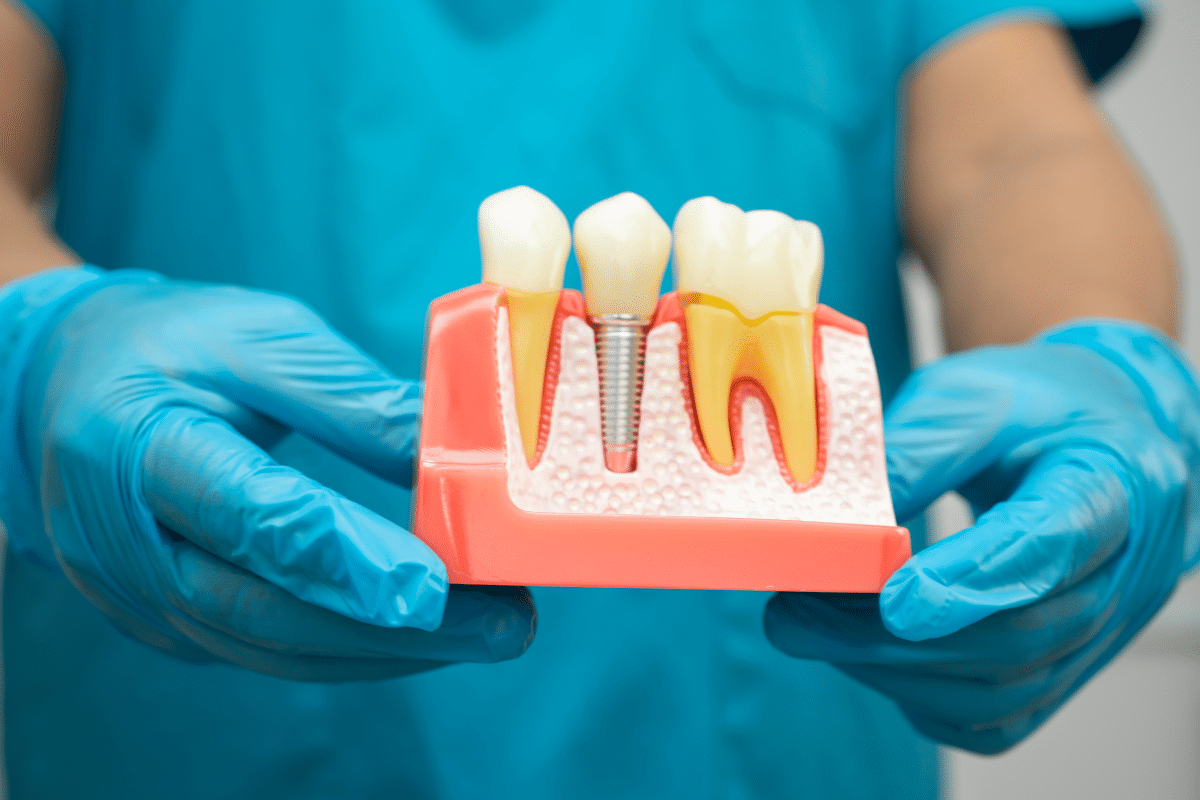
When can a missing tooth be replaced with a dental implant?
Timing depends on bone condition, infection, healing, and the location of the extracted tooth. Some implants can be placed immediately, while others require several months of healing or prior bone grafting. A clinical examination and imaging determine the appropriate timeline.
Why should I consider replacing an extracted tooth?
An untreated gap can allow nearby teeth to shift and may contribute to bone loss or changes in bite. Dental implants, bridges, and removable appliances are possible replacement options. A dentist can explain which approach fits your oral health needs.