
Summary: Ever wonder why some dental implants last for decades while others falter? Despite a stellar 95-98% success rate, failures happen, often from sneaky culprits like peri-implantitis (a hidden gum infection), poor bone integration, smoking, or even uncontrolled diabetes. What if simple habits and smart choices could prevent it?
Dental implants have become the gold standard for restoring missing teeth, providing a strong, natural-looking solution that offers long-term results. For families in Grapevine, where gatherings, outdoor events, and a busy work-life balance are part of daily life, dental implants can be a life-changing option to restore both functionality and confidence.
But like any medical procedure, they too carry risks, and unfortunately, they don’t always succeed. It’s important to understand why the surgery can fail and what steps can be taken to avoid complications. Whether you’re enjoying a relaxing day at Rockledge Park or attending one of the local festivals, you want to be sure your smile remains healthy and strong.
In this post, we’ll uncover the hidden factors that could cause your implant to fail and share tips on how to safeguard your investment for long-lasting success.
Meet The Dentist Behind Your Improved Smile

At DFW Smiles, Dr. William C. Brown, DDS, leads the way in providing high-quality dental care with a focus on long-term results. With extensive training from Texas A&M College of Dentistry, Dr. Brown specializes in restorative solutions like dental implants, ensuring patients receive both functional and aesthetic improvements.
Dr. Brown’s approach goes beyond just placing a prosthetic tooth. He prioritizes the implant’s overall health and stability, reducing risks and supporting lasting outcomes. Alongside a dedicated team, he works with each patient to ensure their dental restoration process is seamless, from consultation to recovery.
At DFW Smiles, your journey to a restored smile is guided by a compassionate team committed to your comfort. Ready to restore your smile? Contact us today and schedule a consultation.
What Causes An Implant Procedure To Fail?
Understanding the root causes can help you make the right decisions for your long-term oral health. While dental implants in Grapevine are incredibly reliable, some factors can lead to complications if not addressed early.
- Infection At The Surgical Site
One of the leading causes of this concern is infection. This can happen if bacteria are introduced during surgery or in the recovery process, leading to peri-implantitis. If left untreated, this can cause inflammation and bone loss, which may eventually lead to failure. Keeping the operated site clean and following post-procedure care instructions are essential for success.
- Bone Quality And Quantity Issues
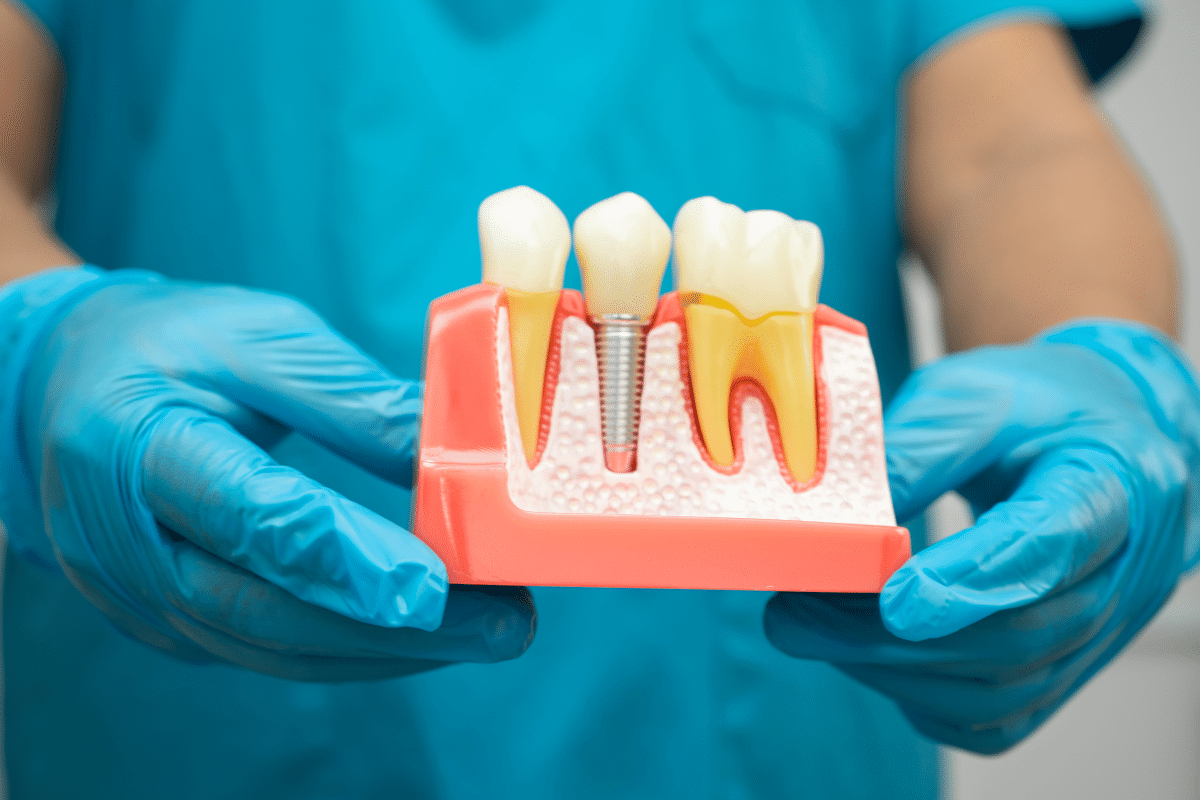
Your jawbone must be strong enough to support the restoration. If your bone density is too low, the fixture may not fuse properly with the bone, resulting in failure. Many patients in Grapevine learn during their consultation that bone grafting is necessary before the procedure to ensure a strong base.
Even if you live a healthy lifestyle with good nutrition, certain health conditions or genetic factors may require extra steps to prepare for the surgery.
- Failure Of Osseointegration
Osseointegration is the process by which the dental post fuses with your bone. When this does not occur, the treatment can fail. Smoking, diabetes, and poor oral hygiene are common risk factors that can prevent this critical step.
In fact, a 2017 study published in the Journal of Periodontology shows that smokers are twice as likely to experience a disruption compared to non-smokers.
- Excessive Pressure Or Force On The Dental Post
Excessive pressure from bruxism (teeth grinding) or an improper bite is one more cause. Bruxism, which affects about 8% of adults in the U.S., can place too much force on the implanted teeth. This leads to loosening or a fracture.
Locals who are active and enjoy hiking on the Northshore Trail or playing sports may unknowingly put their prosthetic teeth at risk through jaw pressure. Regular checkups with an oral care provider can help prevent this from becoming an issue.
How Can You Protect Your Dental Implants From Failure?
Now that you know the key causes of where the complication can stem from, let’s focus on how to prevent it. There are several proactive steps you can take to ensure the longevity of your artificial tooth root, and they are:
- Strict Post-Operative Care
Following the dentist’s post-surgery instructions is crucial. You’ll be asked to avoid hard foods and follow a specific oral care routine to avoid infection. Keeping the area clean and free of bacteria will significantly reduce the risk of complications.
- Regular Oral Hygiene
Maintaining oral hygiene is essential for the success of your restored teeth. Brushing twice a day, flossing regularly, and using an antibacterial mouthwash can help keep your gums and teeth healthy. Additionally, using a soft-bristled toothbrush around the surgical site can protect it from irritation.
- Avoid Smoking
Smoking doubles the risk of implant rejection. If you smoke, consider quitting, especially in the months following surgery. Smoking restricts blood flow, preventing proper healing and bone fusion, both of which are crucial for the procedure’s success.
- Limit Hard And Sticky Foods
While artificial tooth roots are strong, they are not invincible. Avoid chewing on hard objects, like ice or hard candies, as they can damage the new tooth. Additionally, sticky foods like caramel can adhere to the prosthesis, making it harder to clean.
- Wear A Night Guard For Teeth Grinding
If you grind your teeth while sleeping, a night guard can help prevent damage. Bruxism places significant pressure on the teeth and surrounding tissues, increasing the risk of loosening or breaking your implanted teeth. Wearing a mouthguard can keep this from happening.
If Successful, How Long Do Prosthetic Teeth Last?
Fixed dental prostheses are made as long-term solutions for missing teeth. With proper care, they can last from 10–30 years and in some cases, even a lifetime.
It’s important to know that their lifespan will depend on factors like:
- Oral hygiene habits.
- Lifestyle choices (e.g., smoking, grinding teeth).
- Regular dental visits.
While getting dental implants near you is a significant investment, they provide lasting results, making them one of the most preferred solutions for missing teeth.
The Connection Between Overall Health And Implant Success
Your overall health plays a significant role in the success of your treatment. Conditions such as diabetes, high blood pressure, and even certain medications can interfere with the healing process, increasing the risk of complications.
For example, diabetes slows the body’s ability to heal, making it harder for the jawbone to fuse. If you’re dealing with any underlying health conditions, talk to your dentist beforehand to make adjustments and ensure the best possible outcome.
Taking care of your overall health can ensure your newly restored tooth thrives for years. So make sure to keep up with your regular check-ups and a healthy lifestyle.
As one satisfied patient shared-
Posting this 5 star review on my husband’s account. I am a dental hygienist with many years of experience. My initial visit with Dr. Brown’s office in February was for a symptomatic tooth. He has referred me to specialists to ensure that we were getting the best treatment options, and now the implant phase is about to begin. Dr. Brown places implants and has extensive expertise with all aspects of dentistry. He is passionate about providing the best possible care for his patients. He is gentle, and has a very good chairside manner. He and the assistant, Deanna, worked very diligently to adjust the Essix retainer today. Dr. Brown has done an excellent job with my occlusion, and I am very appreciative for this. My husband had a crown placed by Dr. Brown this year, and he has had excellent results with the crown. I have seen Dr. West once, and she also is gentle and has a very good chairside manner. – D.Adams
We are proud of the smiles we care for every day. You can read real patient experiences anytime on our Google reviews.
Can Implant-Supported Teeth Be Repaired If Something Goes Wrong?
Many people assume that once something goes wrong, the entire restoration needs to be replaced.
However, this isn’t always the case. In fact, in many instances, it can be repaired, saving both time and cost while avoiding unnecessary procedures.
For example, if a crown becomes loose or shows signs of wear, it can often be replaced without removing the dental post. Similarly, minor complications, such as infection or swelling, are usually treatable with antibiotics and a few adjustments, rather than requiring full replacement. This proactive approach to repair, if caught early, helps preserve the prosthesis and minimize discomfort.
By addressing issues promptly, the need for extensive surgical intervention is reduced, thereby prolonging the lifespan of your dental implants in Grapevine.
So, while failure isn’t ideal, it doesn’t always mean the end of your dental restoration journey. Regular check-ups ensure that potential issues are identified before they become serious problems.
Restore Your Smile With Confidence At DFW Smiles
Choosing dental implants is about more than just replacing missing teeth! It’s about making a lasting investment in your confidence, oral health, and quality of life. The decision can feel overwhelming, but with the right guidance, it’s a journey that pays off in more ways than one.
At DFW Smiles, we understand that every patient’s oral health is unique. Whether you’re looking to improve function, appearance, treat a missing tooth, or overall oral health, we’re here to provide personalized and professional care. From the first consultation to the final restoration, we ensure that you are comfortable, informed, and ready to smile confidently. Book a consultation or visit our dental office in Grapevine today. Let us help you restore your smile and improve your life, one tooth at a time.
Frequently Asked Questions
Q. What are the long-term effects of a failed dental implant?
A failed prosthetic teeth procedure can lead to bone loss, gum recession, and infection, which may affect nearby teeth. The longer the failure goes untreated, the more complex and costly the required repairs can be.
Q. Can a failed dental implant be repaired, or do I need a new one?
In some cases, a failed implanted tooth can be repaired, but often, it requires removal and replacement. Our dentist will assess the extent of the damage and decide whether a new one or additional procedures, such as bone grafting, are necessary.
Q. What role does diabetes play in the success or failure of dental implants?
Diabetes can impair healing and increase the risk of infection, particularly if blood sugar levels aren’t well-controlled. Research indicates that uncontrolled diabetes increases the risk of complications, making regular check-ups and good management crucial before and after placement.
Q. Can dental implants fail years after placement?
Yes, although artificial tooth root surgery has a high success rate, the dental post can become unstable after years. This occurs due to factors such as bone loss, gum recession, infection, or poor maintenance. Regular routine visits are essential to monitor the dental post’s long-term health.
Q. How can stress or anxiety contribute to implant complications?
Chronic stress and anxiety can contribute to bruxism (teeth grinding), which places excessive pressure on the prosthesis, leading to wear, loosening, or even failure. Managing stress through lifestyle changes or wearing a nightguard can help mitigate these risks.
Q. How do changes in jaw structure affect dental post stability over time?
Over time, jawbone loss due to aging, bone resorption, or tooth loss can compromise the stability of the titanium posts. If the bone changes significantly after the placement, it may lead to mobility and potential failure.