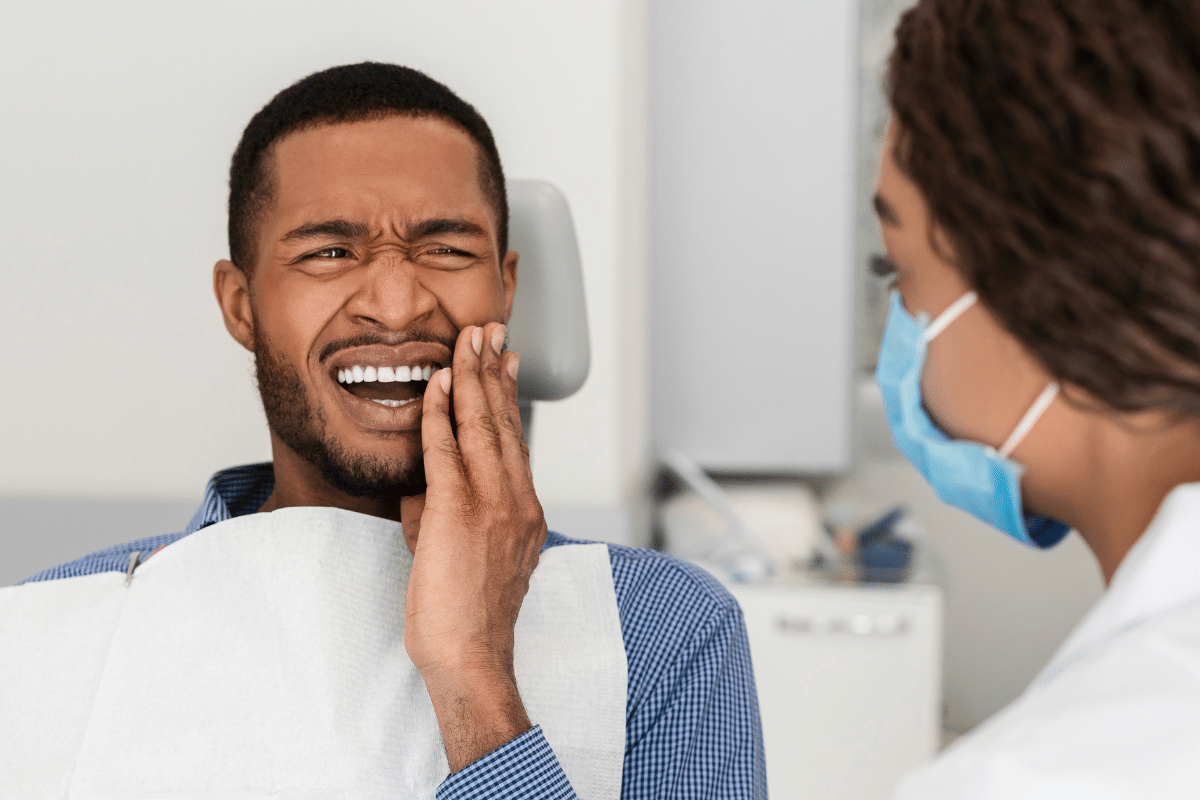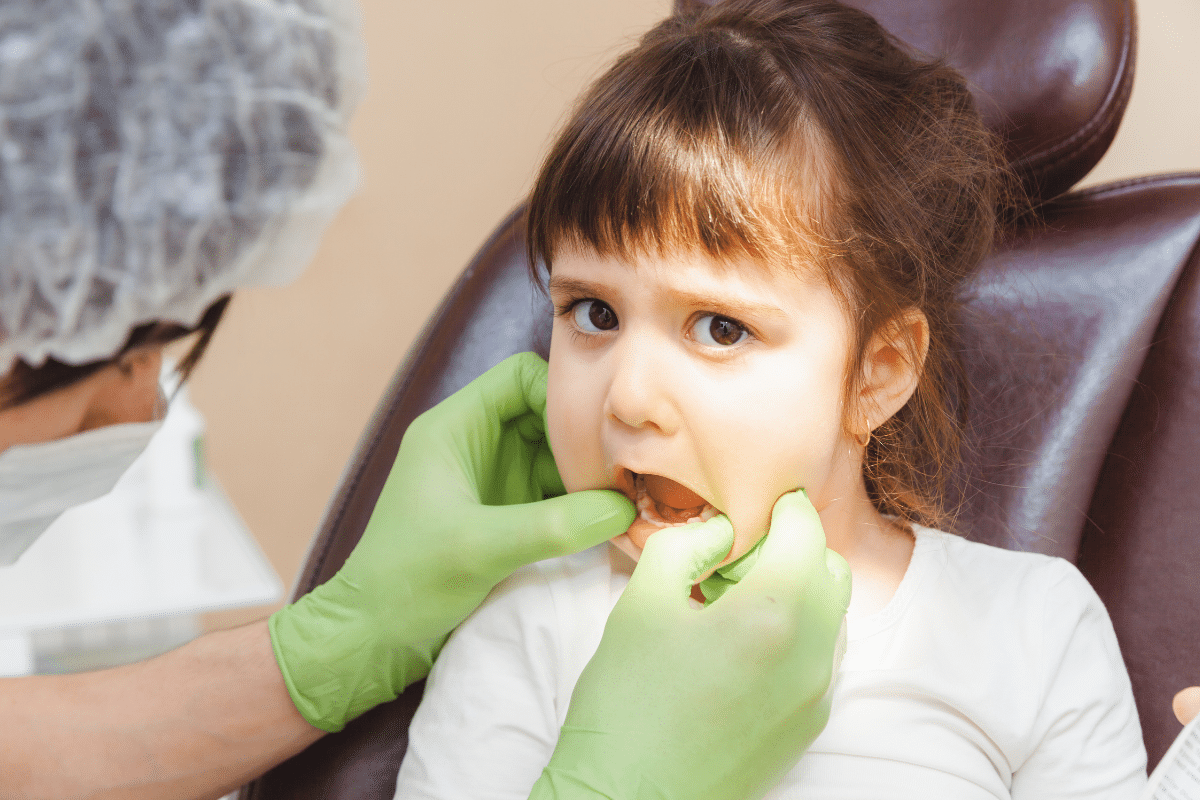

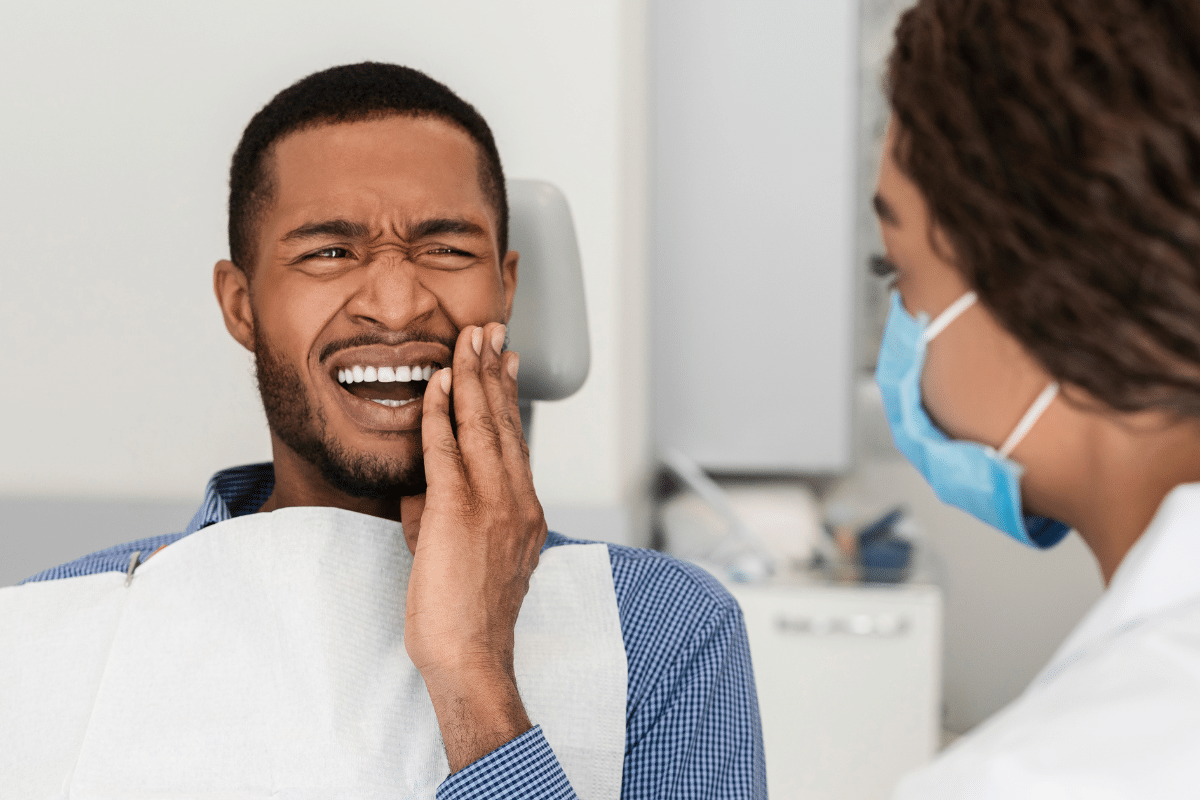
A dental emergency rarely happens at a convenient time. You might crack a tooth over dinner, wake up with intense tooth pain, or watch your child fall and knock out a tooth. In those first stressful moments, knowing what to do can make a meaningful difference. Staying calm helps you assess the problem, protect the injured area, and get appropriate dental care without making the situation worse.
Not every dental problem requires immediate treatment, but severe pain, uncontrolled bleeding, facial swelling, dental trauma, and knocked-out teeth should never be ignored. At DFW Smiles, Dr. William C. Brown helps patients understand urgent dental problems and determine the appropriate next steps. If you experience sudden dental pain or an injury in Grapevine, visit our dental office for an evaluation and timely care.
First Things First: How Do You Know It Is a Dental Emergency?
A dental emergency is generally an oral health problem that requires prompt professional attention to relieve significant pain, stop bleeding, address infection, or improve the chance of saving a damaged tooth.
Situations that may require urgent dental attention include:
- A permanent tooth that has been knocked out
- Severe or persistent tooth pain
- Significant facial or gum swelling
- A broken or deeply cracked tooth
- Uncontrolled bleeding from the mouth
- A tooth that has been pushed out of position
- Signs of a dental abscess or infection
- Trauma involving the teeth, gums, or jaw
A minor chip without pain or a lost filling may not require the same level of urgency. However, you should still contact a dental office promptly because seemingly minor damage can sometimes expose or weaken the tooth.
When you are uncertain, calling an emergency dentist in Grapevine is safer than attempting to diagnose the problem yourself.
The Most Important Rule: Stay Calm and Assess the Situation
Panic can make it harder to make sensible decisions. Before trying to fix anything, take a moment to determine what happened.
Check whether the person is conscious and breathing normally. Look for heavy bleeding, facial injuries, swelling, broken teeth, or missing teeth. If the injury involves significant head or facial trauma, difficulty breathing or swallowing, loss of consciousness, or uncontrolled bleeding, seek emergency medical assistance.
For an injury limited to the teeth or gums, contact your dental office and explain exactly what happened. Tell the team when the injury occurred, which tooth is affected, whether there is bleeding or swelling, and how severe the pain is.
This information helps the dental team determine how quickly you should be evaluated.
What Should You Do for a Knocked-Out Permanent Tooth?
A knocked-out permanent tooth is one of the most time-sensitive dental emergencies. The sooner professional care is received, the greater the possibility that the tooth can be successfully replanted.
Pick up the tooth by its crown, which is the white portion normally visible in the mouth. Never hold or scrub the root. If the tooth is dirty, gently rinse away visible debris with water without scraping or brushing it.
If you can safely place the tooth back into its socket, gently reposition it and hold it there. Do not force it.
If reinsertion is not possible, keep the tooth moist. Cold milk can be used while you travel to the dental office. Do not allow the tooth to dry out.
Time matters considerably with avulsed teeth. The emergency guidance for the Grapevine practice specifically emphasizes that reimplantation within approximately 30 minutes offers the highest success rate, so immediate dental attention is important.
What Should You Do If a Tooth Breaks or Cracks?
A broken tooth can range from a small enamel chip to a fracture that reaches the inner pulp where nerves and blood vessels are located.
First, gently rinse your mouth with warm water. If you can locate a broken piece of the tooth, save it and bring it with you to your appointment. Apply gentle pressure with clean gauze if there is bleeding.
Avoid biting with the damaged tooth. Deep fractures can make the tooth extremely sensitive to air, pressure, temperature, and touch.
Do not assume that a cracked tooth is safe simply because the pain subsides. Some fractures allow bacteria to enter deeper structures and may eventually lead to inflammation or infection.
An examination allows a dentist in Grapevine to determine how far the fracture extends and whether the tooth can be restored.
Severe Toothache: When Does Pain Become an Emergency?
A toothache is your body’s warning that something needs attention. Possible causes include decay, a cracked tooth, an inflamed or infected dental pulp, gum infection, or an abscess.
Until your dental appointment:
- Rinse gently with warm water.
- Carefully floss around the tooth to remove trapped food.
- Keep the area clean.
- Avoid extremely hot, cold, or sugary foods if they trigger pain.
- Use an over-the-counter pain reliever only as directed and when medically appropriate for you.
Never place aspirin directly against your tooth or gums. It can irritate oral tissue and does not treat the underlying cause.
Pain that becomes intense, persists, interrupts sleep, or occurs with swelling deserves prompt attention. Instead of repeatedly searching “emergency dentist near me” while the symptoms worsen, contact a dental office so the cause can be properly assessed.
Facial Swelling or a Dental Abscess Should Not Be Ignored
Swelling around a tooth or on the face can indicate infection. A dental abscess is a collection of infection associated with a tooth or surrounding tissues, and it will not reliably resolve just because pain temporarily decreases.
Possible warning signs include:
- Throbbing tooth pain
- Swollen or tender gums
- A pimple-like bump on the gum
- Facial or jaw swelling
- Bad taste or drainage in the mouth
- Fever or feeling generally unwell
- Pain when chewing
Contact a dentist promptly when these symptoms develop.
If swelling becomes severe, spreads toward the eye or neck, or causes difficulty breathing or swallowing, seek emergency medical care. These symptoms can indicate that an infection is spreading beyond the tooth and requires immediate attention.
What If a Tooth Has Been Pushed Out of Position?
Dental trauma does not always knock a tooth completely out. A tooth may instead become loose, move sideways, partially emerge from its socket, or be pushed farther into the gum.
Do not repeatedly wiggle or test the tooth.
A tooth that has been pushed into the gum should generally be left alone until a dentist evaluates it. Other displacement injuries also require prompt professional assessment because the supporting tissues, bone, blood supply, or nerve may have been damaged.
Even when the tooth looks relatively normal afterward, dental trauma can cause injuries below the gumline that are impossible to see without an examination and, when appropriate, dental imaging.
What Should You Do If a Temporary Crown Comes Off?
A lost temporary crown may leave the prepared tooth sensitive and vulnerable.
If you still have the crown, keep it clean and safe. Temporary dental adhesive may sometimes help hold it in place until you can receive professional care. Do not use household glue or another non-dental adhesive.
Contact the dental office as soon as possible. Depending on the situation, the dentist may reattach the temporary crown, replace it, or place the permanent restoration if it is ready.
Until then, avoid chewing hard or sticky foods on that side of your mouth.
How Can You Control Bleeding After a Mouth Injury?
Small cuts involving the lips, tongue, or gums can sometimes bleed heavily because the mouth contains many blood vessels.
Gently rinse away debris and place clean gauze over the injured area. Apply steady pressure rather than repeatedly removing the gauze to check the wound.
A cold compress held outside the mouth may also help with swelling after trauma.
If bleeding remains heavy despite sustained pressure, or the injury appears deep or extensive, seek urgent medical or dental attention. Significant facial trauma may require treatment in an emergency department rather than a dental office alone.
What Should You Keep in a Dental Emergency Kit?
Preparation makes an unexpected dental problem easier to manage. Consider keeping a small dental first-aid kit at home and another in your vehicle when traveling around Grapevine.
Useful items include clean gauze, disposable gloves, a small container with a lid, dental floss, temporary dental adhesive, and an instant cold pack. Keep your dentist’s contact information readily available as well.
The purpose of this kit is first aid, not at-home dental treatment. These supplies can help protect the area while you arrange professional care, but they cannot diagnose or correct the underlying problem.
What Not to Do During a Dental Emergency
Some well-intentioned actions can make dental injuries worse.
Do not scrub the root of a knocked-out tooth, attempt to pull out a loose permanent tooth, place aspirin directly against gum tissue, or use household glue to repair a crown or broken tooth.
You should also avoid postponing care simply because pain disappears. A damaged or infected tooth may temporarily stop hurting even though the underlying condition remains.
Online information is useful for immediate guidance, but it cannot show whether a fracture reaches the nerve, whether an infection is spreading, or whether trauma has affected the tooth root.
When Should You Call an Emergency Dentist?
Contact an emergency dentist in Grapevine that residents can access promptly when you have severe pain, significant swelling, a knocked-out permanent tooth, substantial dental trauma, uncontrolled oral bleeding, or another problem that cannot safely wait for routine care.
When calling, clearly describe your symptoms and how the problem began. This allows the dental team to determine the urgency of your situation and provide appropriate instructions until you arrive.
If you find yourself searching “emergency dentist near me” after an accident or sudden toothache, focus on obtaining timely professional guidance rather than trying multiple home remedies.
Can Dental Emergencies Be Prevented?
Not every emergency is preventable, but a few habits can lower your risk.
Wear an appropriate mouthguard during sports and recreational activities where facial impacts are possible. Never use your teeth to open packages, bottles, or containers. Avoid chewing ice and extremely hard objects that can fracture teeth or restorations.
Routine dental examinations are equally important. Decay, weakened restorations, cracks, and gum problems may sometimes be identified before they progress into painful emergencies.
Your dentist in Grapevine can also recommend preventive strategies based on your teeth, restorations, bite, and daily habits.
Stay Prepared, Protect Your Smile, and Know When to Get Help
The best response to a dental emergency is not panic. It is a calm, informed plan. Protect the injured area, control bleeding when possible, preserve a knocked-out tooth correctly, and contact a dental professional promptly.
Most importantly, remember that home first aid is only temporary. Severe pain, swelling, infection, broken teeth, and dental trauma need professional evaluation to identify the underlying problem and determine appropriate treatment.
At DFW Smiles, our goal is to help you make informed decisions when an unexpected dental problem occurs. If you or a family member experiences an urgent dental issue in Grapevine, call us at 817-281-3444 for prompt guidance and emergency dental care.
Frequently Asked Questions
- Can I go to the emergency room for a toothache?
A hospital can help when dental problems involve severe facial swelling, uncontrolled bleeding, breathing difficulty, or major trauma. For tooth-specific problems, however, a dentist is generally needed to diagnose and treat the underlying dental cause.
- How quickly should I see a dentist after knocking out a tooth?
Seek dental treatment immediately. A knocked-out permanent tooth has the greatest chance of successful reimplantation when treated quickly, ideally within about 30 minutes. Keep the tooth moist and avoid touching or scrubbing its root.
- Is a chipped tooth considered a dental emergency?
A small, painless chip may not require immediate treatment, but it should still be examined. A larger fracture accompanied by severe pain, bleeding, sensitivity, or exposed inner tooth structure warrants much more prompt professional dental attention.
- What can I do for severe tooth pain at night?
Gently rinse with warm water, carefully floss to remove trapped debris, and use an appropriate over-the-counter pain reliever according to its directions. Persistent or severe pain requires dental evaluation to identify and treat its underlying cause.
- Is facial swelling from a tooth infection dangerous?
It can become serious if the infection spreads beyond the tooth. Seek prompt dental attention for facial swelling. If swelling affects breathing or swallowing, spreads toward your neck or eye, or becomes severe, seek emergency medical treatment immediately.
- Can I put a knocked-out tooth in water?
Keeping the tooth moist is important, but cold milk is generally preferable when immediate reinsertion is not possible. Handle a permanent tooth only by its crown, avoid scrubbing the root, and seek professional dental care immediately afterward.
- Should I wait if my dental pain suddenly goes away?
Not necessarily. Pain can decrease even when the underlying dental problem remains. Tooth decay, infection, cracks, or nerve damage may still require treatment, so unexplained severe pain should be professionally evaluated even after symptoms temporarily improve.