
Emergencies can strike at any time, and dental emergencies are no exception. Whether you’re enjoying a fun afternoon at Grapevine’s Main Street or attending a local event at the Mills Mall, the last thing you expect is a dental emergency. However, accidents, injuries, or sudden dental issues can occur when you least expect them. Knowing what to do when faced with dental emergencies can make all the difference in managing the situation effectively and seeking the necessary care.
At DFW Smiles, we understand how distressing dental emergencies can be. Whether you’re in Grapevine or nearby areas like Colleyville, Southlake, or Coppell, we’ll walk you through some common dental emergencies and the steps you should take.
Keep reading to learn what to do in these situations and why contacting a reliable emergency dentist in Grapevine is crucial for preserving your oral health.
- Toothaches: Relief and Immediate Steps
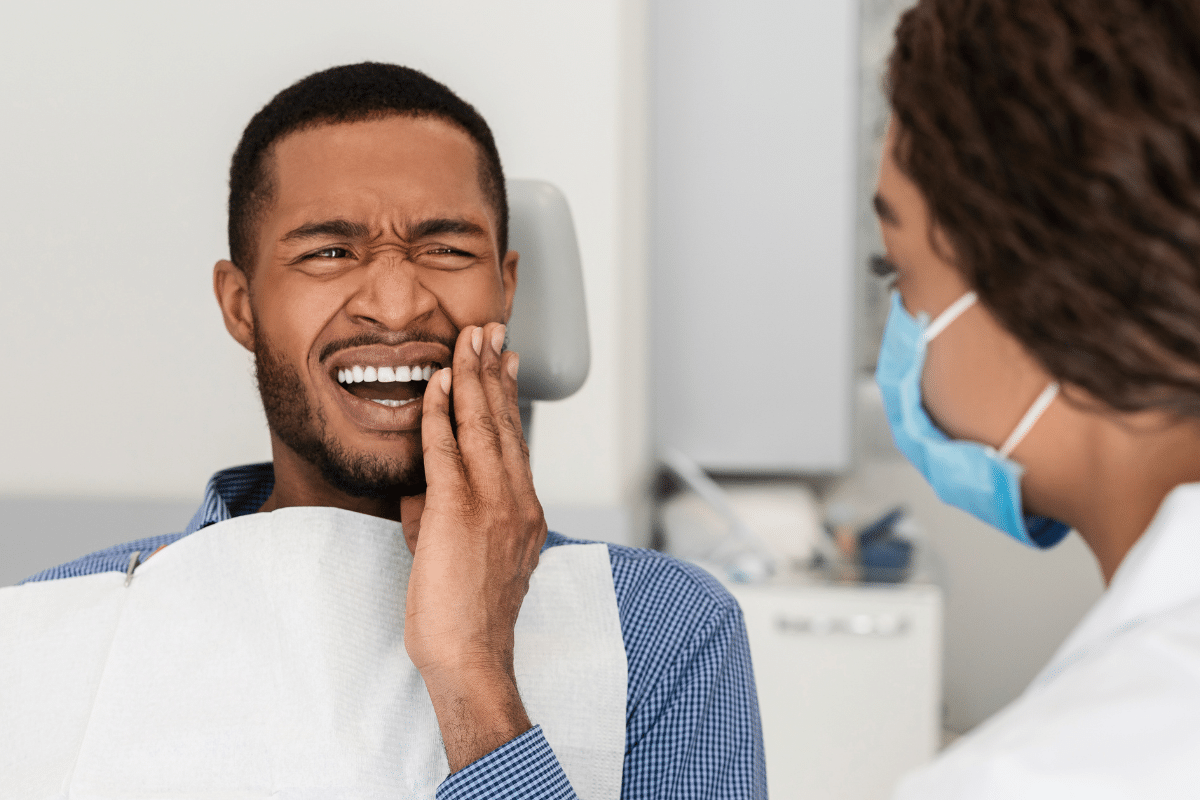
Toothaches are among the most common dental emergencies. They can range from mild discomfort to intense pain, making it difficult to focus on anything else. If you experience a toothache, the first step is to identify the cause. Common causes of toothaches include cavities, gum infections, and cracked teeth.
What to Do:
- Rinse your mouth with warm water to clean it.
- Floss gently to remove any food particles stuck between your teeth.
- Apply a cold compress to the outer cheek to reduce swelling and numb the pain.
- Take over-the-counter pain relievers to manage discomfort until you can reach an emergency dentist near me.
If the pain persists or intensifies, it’s essential to seek emergency dental care from a qualified professional in Grapevine or a nearby area. Delaying treatment could lead to more severe issues, such as infections or abscesses.
- Broken or Chipped Teeth: How to Handle It
Accidents happen, and sometimes a fall or bump can lead to a broken or chipped tooth. Whether it’s from playing sports or eating something hard, a broken tooth is a common emergency.
What to Do:
- Save any tooth fragments if possible. Store them in a clean container with a little milk or water to keep them moist.
- If there’s pain, apply a cold compress to the outside of the mouth to numb the area.
- Over-the-counter pain relievers can help manage discomfort, but it’s essential to see an emergency dentist in Grapevine as soon as possible.
Broken teeth should be treated immediately to prevent further damage. Your emergency dental care practitioner will assess the severity of the break and may recommend treatments such as dental bonding, veneers, or crowns, depending on the situation.
- Knocked-Out Tooth: Act Quickly!
Losing a tooth due to trauma is a dental emergency that requires immediate attention. A knocked-out tooth can often be saved if treated properly within an hour. The faster you act, the better the chances are of saving the tooth.
What to Do:
- Find the tooth and handle it carefully by the crown (the top part, not the root).
- Rinse it gently with water—avoid scrubbing or using soap.
- Try to replace the tooth in its socket if possible. If that’s not easily possible, store it in a container with milk or saline solution.
- Call an emergency dentist near me immediately for further guidance.
Effective and urgent dental treatment in Grapevine can save your tooth if you act quickly. The dentist may attempt to reimplant the tooth or recommend alternatives such as dental implants, depending on the situation.
- Abscesses: Swelling and Pain Relief
A dental abscess is a serious infection that can develop in the gums or around the root of a tooth. If left untreated, an abscess can spread and lead to severe complications.
What to Do:
- Do not attempt to drain the abscess yourself.
- Rinse your mouth with warm saltwater to help alleviate the pain.
- Apply a cold compress to reduce swelling.
- Schedule an appointment with an emergency dentist in Grapevine immediately.
Abscesses require urgent attention, and an emergency dental care provider will likely perform a root canal or prescribe antibiotics to help clear the infection.
- Loose or Dislodged Fillings and Crowns: Temporary Relief
A loose or dislodged filling or crown can be annoying and painful, leaving your tooth vulnerable to further damage.
What to Do:
- If the crown is loose, try to place it back over the tooth until you can see a dentist.
- Use temporary dental cement, available at most drugstores, to temporarily reattach the filling or crown.
- Schedule an appointment with a nearby emergency dentist in Grapevine as soon as possible to avoid further damage.
An emergency dental practitioner will help reattach or replace the filling or crown to protect the underlying tooth.
Why Choose DFW Smiles for Emergency Dental Care?
At our dental office, we understand the urgency of dental emergencies and are dedicated to providing fast, effective care when you need it most. Our trusted team is ready to assist with everything from toothaches to more complex dental trauma, ensuring you receive the best care possible.
If you’re looking for an emergency dentist near me in Grapevine or the surrounding areas, we’re just a call away. We offer flexible scheduling, comprehensive treatments, and a compassionate team to help you through any dental emergency.
Get Immediate Help from DFW Smiles in an Emergency
Dental emergencies can be unsettling, but knowing what to do can help you manage the situation with confidence. Whether you’re dealing with a toothache, a knocked-out tooth, or an abscess, it’s essential to act fast and seek professional care. At our dental practice in Grapevine, we’re here to provide you with the support you need for any emergency dental situation. Don’t wait—call us today for urgent dental treatment and let us help you restore your smile quickly and safely.
Frequently Asked Questions (FAQs)
- What should I do if I chip a tooth?
Rinse your mouth with warm water, apply a cold compress to reduce swelling, and contact an emergency dentist immediately. They may recommend treatments such as dental bonding or crowns. - How can I prevent dental emergencies?
While not all emergencies are preventable, you can reduce your risk by wearing mouthguards during sports, avoiding hard foods, and maintaining good oral hygiene. Regular checkups also help. - How soon should I see a dentist for a toothache?
If a toothache doesn’t improve within a few hours, it’s best to see an emergency dentist. Delaying treatment can lead to more serious complications, such as infections. - Can I save a knocked-out tooth?
Yes, in many cases, a knocked-out tooth can be saved if treated within an hour. Rinse the tooth gently, place it back into the socket or in milk, and see your dentist immediately. - What are the signs that I need urgent dental treatment?
Signs include intense tooth pain, facial swelling, a knocked-out tooth, or a dental abscess. If you experience these symptoms, contact your dentist immediately for care.