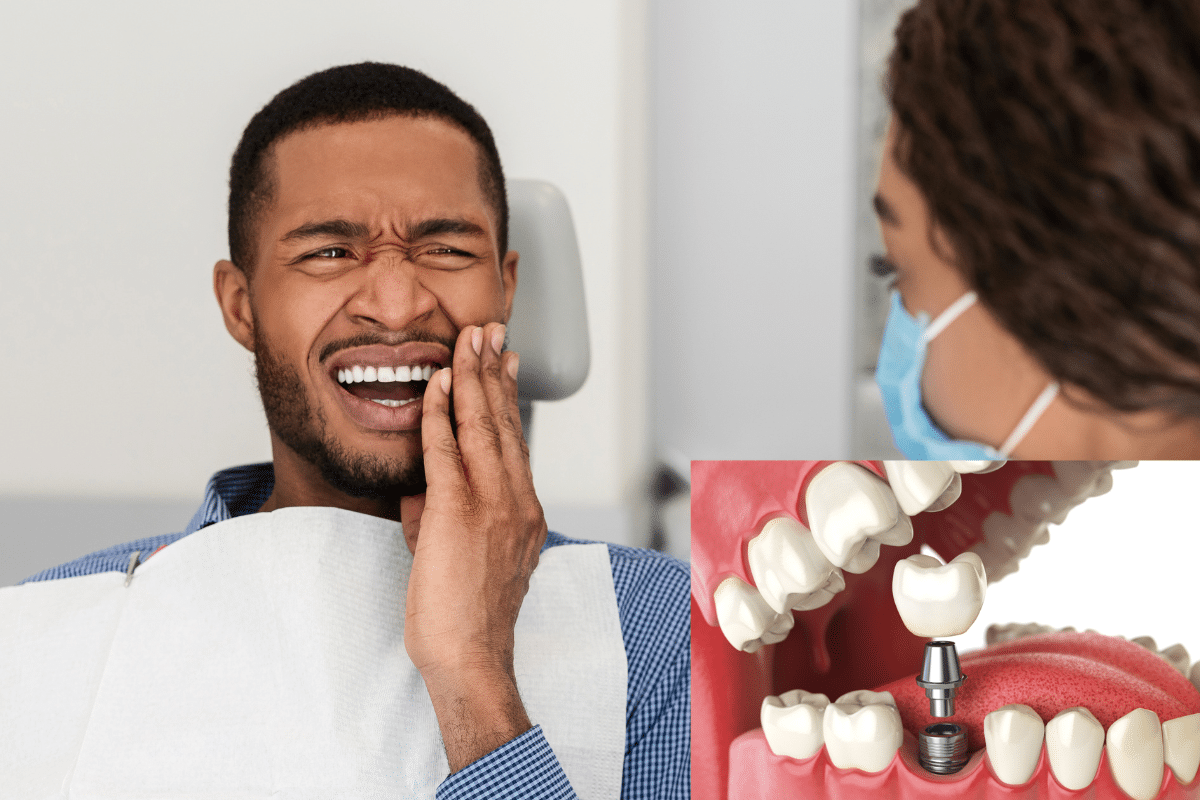

A dental implant should feel steady and comfortable when you chew, speak, and smile. If it starts to click, shift, rotate, or feel different, do not ignore it. The loose feeling may come from the crown or a small connecting screw, rather than the implant post in your jaw. Still, only a dental examination can identify the source and protect your oral health.
At DFW Smiles, Dr. Brown understands how unsettling this change can feel. If you have received dental implants in Grapevine and notice movement, discomfort, swelling, or changes in bite, prompt care can help limit further damage and clarify the right next step.
Is a Loose Implant an Emergency?
A loose implant needs prompt attention, even if you do not have pain. It is not always a hospital emergency, but it is a dental concern that should not wait for weeks.
A stable implant post does not move in the jawbone. However, the visible crown or the abutment screw beneath it can loosen over time. These mechanical problems may be repairable. If the post itself is mobile, the concern is more serious because it may indicate loss of support from the surrounding bone.
What Should You Do Right Away?
Take these steps as soon as you notice looseness:
- Avoid chewing on that side of your mouth.
- Do not push, twist, or test the area with your tongue or fingers.
- Choose softer foods until your visit.
- Brush gently around the gums to keep the area clean.
- Call a dental office promptly and describe whether you feel clicking, pain, pressure, or visible movement.
Patients searching for ‘dental implants near me’ should seek an evaluation rather than hoping the problem resolves on its own. Early care may prevent a small repair from becoming a larger concern.
What May Be Loose?
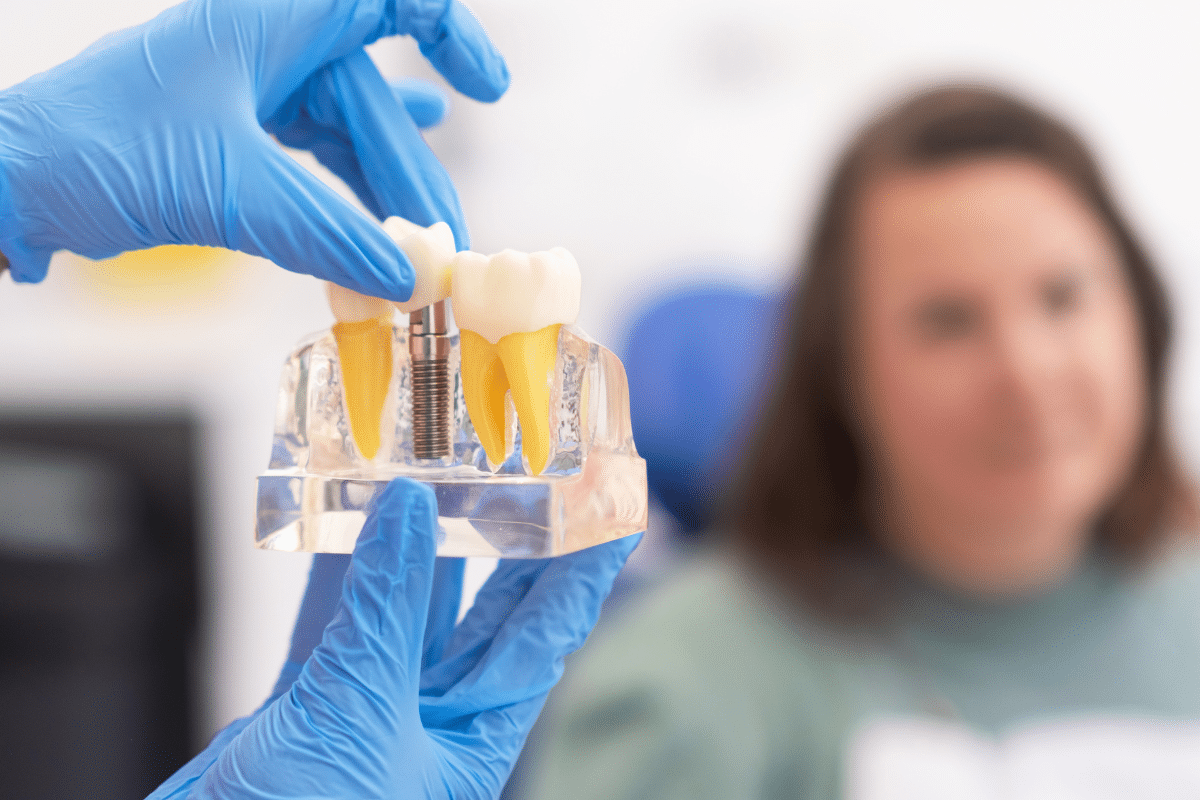
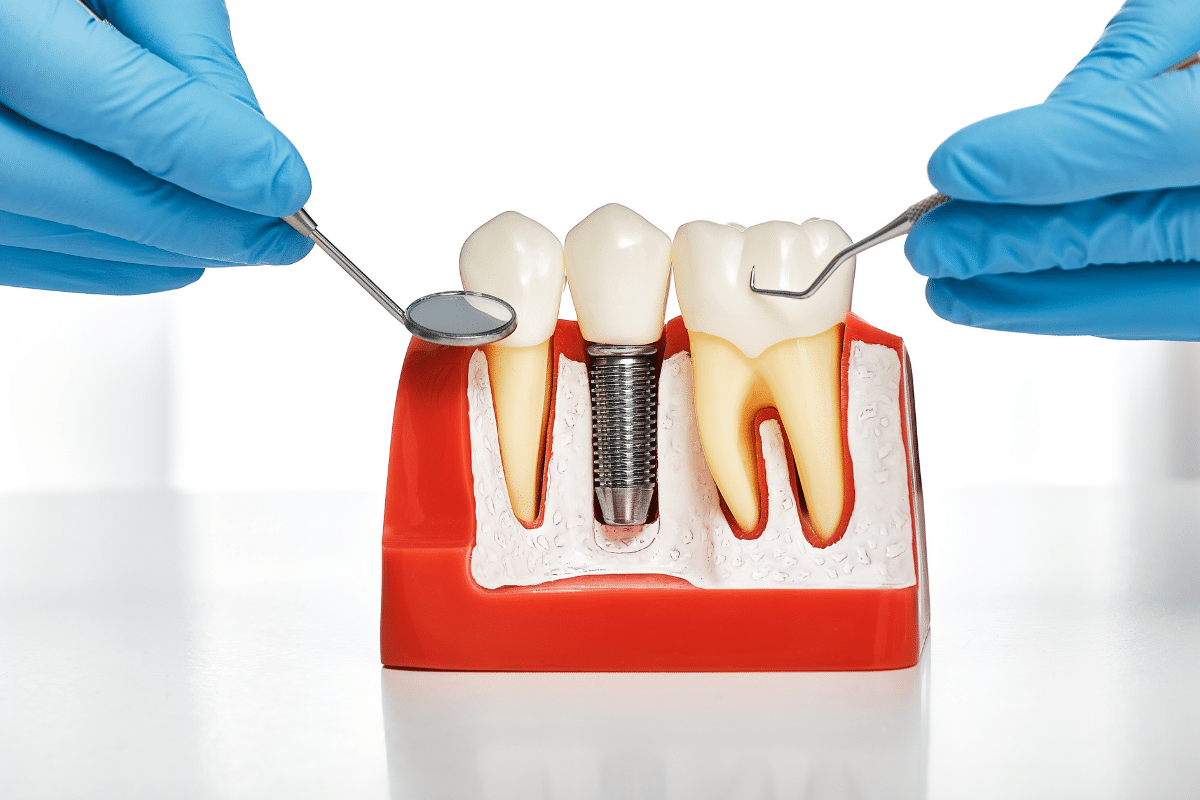
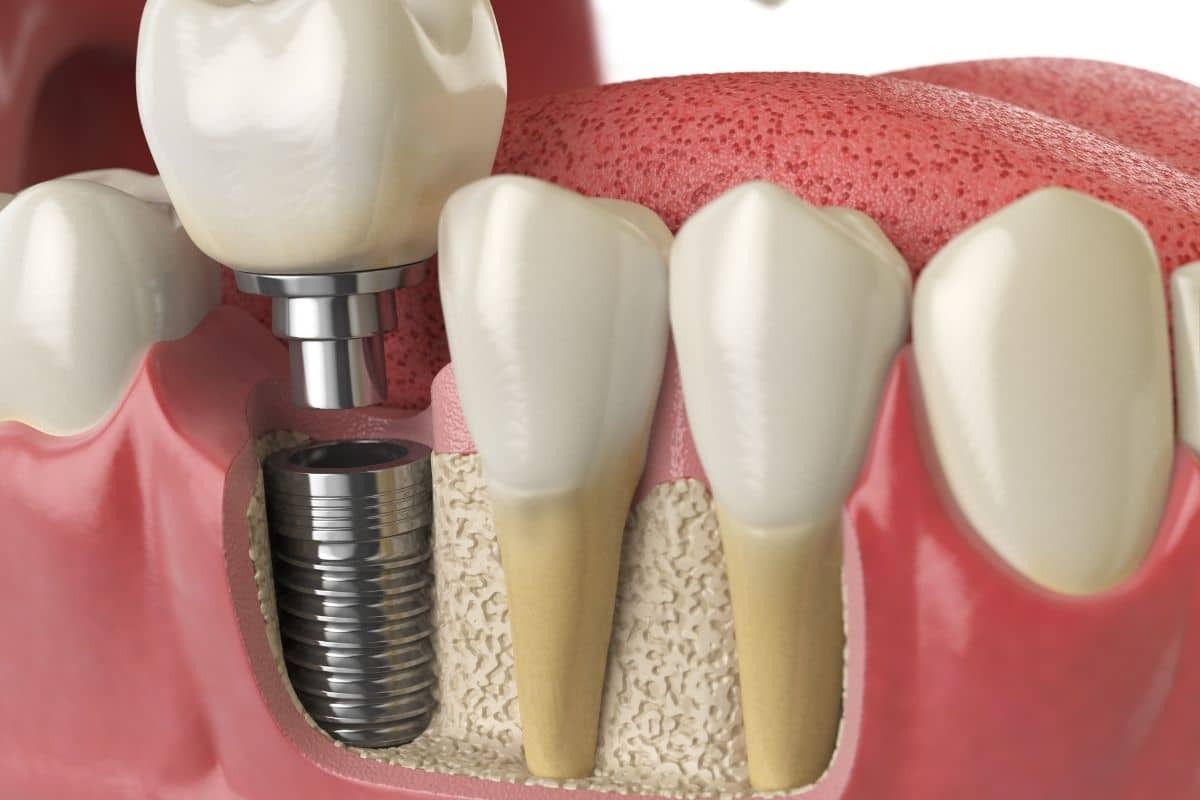
An implant-supported tooth has several parts. Knowing which part may be moving helps explain why an exam matters.
The Crown
The crown is the tooth-colored part you see above the gumline. It can become loose if the cement weakens, the crown cracks, or the connection underneath shifts. You may notice a rocking sensation or a change when you bite.
The Abutment or Screw
The abutment joins the crown to the implant post. A loose abutment screw can create clicking, slight rotation, or pressure while chewing. In many cases, the dentist can access the component, clean the area, and secure or replace the screw.
The Implant Post
The implant post sits in the jawbone and acts like a tooth root. If this part moves, it may indicate that the bond between the bone and the post has weakened. This requires prompt assessment because the post cannot simply be tightened like a screw.
Common Causes of Implant Loosening
Peri-Implantitis
Peri-implantitis is an infection and inflammation around an implant. Plaque bacteria can irritate the gums and, if not addressed, contribute to bone loss. Warning signs may include bleeding gums, swelling, tenderness, drainage, bad taste, or persistent bad breath.
Bone Loss Around the Implant
The jawbone supports the implant post. When bone volume decreases, the foundation can become less stable. Bone loss may be linked to untreated gum inflammation, health conditions that affect healing, smoking, or delayed follow-up care.
Teeth Grinding or Clenching
Bruxism places repeated force on the crown, screw, and bone. Many people clench during sleep without realizing it. A nightguard may help reduce pressure after your dentist checks the implant and your bite.
Trauma or Bite Pressure
A fall, sports injury, or hard bite can damage the crown, loosen a screw, or place too much force on the implant area. An uneven bite can also overload one side of the mouth over time.
Healing Problems
The bone must form a stable connection with the implant after placement. This process is called osseointegration. If healing is interrupted by infection, insufficient bone, or other factors, the post may not gain the support it needs.
When Should You Call the Dentist?
Call as soon as possible if you notice:
- Any movement in the crown or implant area
- Pain when biting or chewing
- Swollen, red, or bleeding gums
- Pus, drainage, or a bad taste near the implant
- A cracked crown or missing piece
- A sudden bite change
- Looseness after an injury
If you have pain with facial swelling, fever, or difficulty swallowing, seek urgent medical attention. For other concerns, visit our dental office promptly so we can identify the cause before the problem progresses.
How Can a Dentist Treat a Loose Implant?
Treatment depends on the diagnosis. With Grapevine dental implants, a loose crown, worn screw, or weakened cement may be corrected by securing or replacing the affected component. Your dentist will also check your bite to reduce repeated pressure.
If infection or bone loss has affected the implant post, treatment may involve cleaning the area, managing infection, and evaluating the remaining bone support. In some cases, removal may be necessary. After healing and possible bone grafting, a replacement implant or another tooth-replacement option can be considered.
For patients with dental implants in Grapevine, a timely exam provides a clear plan based on the condition of the restoration, gums, and jawbone.
Protect Your Implant Moving Forward
Consistent home care and routine dental visits help protect the tissues around an implant. Brush twice daily, clean between teeth as instructed, attend maintenance appointments, and report bleeding or soreness early. If you grind your teeth, ask about a protective nightguard.
Do Not Wait for a Loose Implant to Worsen
A loose implant can feel alarming, but it does not always mean the entire restoration has failed. The key is to act quickly and allow a dentist to determine whether the issue involves the crown, screw, gums, bone, or implant post.
DFW Smiles provides clear answers and compassionate care for concerns involving implant restorations. If you notice movement or discomfort with dental implants in Grapevine, book an appointment at our Grapevine office for a thorough evaluation and the right path toward restoring comfort and function.
Frequently Asked Questions
Can a loose implant crown be fixed?
Often, yes. If the post is stable and the issue involves the crown, cement, or abutment screw, the dentist may be able to secure or replace the affected part after examining the area.
Can an implant feel loose without pain?
Yes. A loose crown or screw may not cause pain at first. However, painless movement still needs evaluation because it can affect your bite and allow bacteria to collect around the restoration.
What does peri-implantitis feel like?
Symptoms can include tender gums, bleeding, swelling, drainage, a bad taste, or discomfort while chewing. Some people have few symptoms early on, which makes regular maintenance visits important.
Can teeth grinding loosen an implant?
Yes. Repeated clenching or grinding can strain the crown, connecting screw, and supporting bone. A dentist can check for wear patterns and discuss ways to reduce pressure during sleep.
Will a loose implant need to be removed?
Not always. A loose crown or screw may be corrected without removing the implant post. If the post itself is moving because of significant bone loss or failed healing, removal may be necessary.
Should I keep wearing my nightguard if the implant feels loose?
Do not make changes without guidance. Call the dental office and explain your symptoms. The dentist can advise whether to keep using the nightguard and whether your bite needs adjustment.