
If you’re considering replacing missing teeth, it’s natural to wonder how much discomfort is involved. Many people delay treatment because they’re worried the procedure will be painful. The reality is often much different. At DFW Smiles, patients are guided through every step of the process, with comfort being a priority from start to finish. If you’re exploring Grapevine dental implants, knowing what to expect can help you feel more prepared and confident.
During the procedure, the treatment area is fully numbed with local anesthesia, so you shouldn’t feel pain while the implant is being placed. After surgery, it’s normal to experience mild to moderate soreness for a few days. Most people find that the discomfort improves within 48 to 72 hours and can be managed with medication, cold compresses, and adequate rest.
Understanding the recovery process ahead of time can make the experience much less stressful. This guide explains what you can expect before, during, and after receiving dental implants, along with practical ways to stay comfortable and support healing.
Key Takeaways
- Dental implants are placed under local anesthesia, so the procedure itself is typically pain-free.
- Mild to moderate soreness is common during the first few days after surgery and is usually manageable with recommended pain relief and ice packs.
- Following your dentist’s aftercare instructions, practicing gentle oral hygiene, and choosing soft foods can help your dental implants heal smoothly while reducing discomfort.
How Pain Is Managed During Dental Implant Surgery
Many people are surprised to learn that dental implant surgery is usually much more comfortable than they expected. Thanks to modern anesthetics and careful surgical techniques, most patients feel little to no pain during the procedure. While you will likely remain awake, the treatment area will be completely numb, allowing your dentist to place the implant without causing pain.
How Local Anesthesia and Sedation Keep You Comfortable
Before the procedure begins, your dentist will numb the treatment area with a local anesthetic. This blocks the nerves that carry pain signals, so although you may notice pressure or movement, you should not feel pain.
If you’re nervous about the procedure, your dentist may also recommend sedation to help you stay relaxed. The right option depends on your medical history, anxiety level, and the complexity of your treatment.
For most dental implant procedures, local anesthesia alone provides enough comfort for a positive experience.
What You May Notice During the Procedure
Although you should not feel pain, it’s normal to be aware that treatment is taking place. Most patients notice pressure as the implant is placed into the jawbone. You may also feel gentle pushing or slight vibrations during certain parts of the procedure.
The sound of the dental instruments can seem louder than expected because vibrations travel through the jawbone. Some patients also notice a pulling sensation as the gums are gently moved during treatment.
These sensations are expected and should not be painful. If you feel anything sharp or uncomfortable at any point, let your dentist know immediately. Additional anesthetic can be given to keep you comfortable.
Why Dental Implant Surgery Is Usually More Comfortable Than Expected
Dental implant surgery has become highly predictable thanks to advances in technology, planning, and pain management. Local anesthesia effectively numbs the treatment area, preventing pain throughout the procedure.
The jawbone also contains fewer pain-sensitive nerve endings than the soft tissues inside your mouth, which helps reduce discomfort during implant placement. In addition, dentists use precise, minimally invasive techniques designed to protect the surrounding bone and gum tissue.
Because the procedure is carefully planned and performed with accuracy, most patients describe the experience as easier than having a tooth removed. Any soreness that develops afterward is typically manageable with the aftercare instructions and medications your dentist recommends.
What to Expect After Dental Implant Surgery
Some discomfort after dental implant surgery is a normal part of the healing process. If you’re considering dental implants in Grapevine, understanding what recovery feels like can help you feel more prepared. For most patients, pain follows a predictable pattern and gradually improves as the implant site heals. The amount of discomfort depends on factors such as the number of implants placed, the complexity of the procedure, and your body’s natural healing response.
How Pain Changes During Recovery
Most patients notice the greatest discomfort during the first 24 to 72 hours after surgery. During this time, you may experience a dull, aching, or throbbing sensation around the implant site, similar to what many people feel after a tooth extraction. This is a normal inflammatory response as your body begins repairing the surgical area.
Typical Recovery Timeline
- Days 1–3: Mild to moderate soreness and throbbing are usually at their highest.
- Days 4–7: Pain and swelling begin to decrease, and daily activities become more comfortable.
- Days 8–14: You may notice slight tenderness when chewing or touching the area.
- Weeks 3–4: Most discomfort has resolved, and normal activities can typically be resumed without pain.
Some patients feel more pressure than pain during the first week, which is often a sign that the tissues are healing normally. However, sharp or worsening pain several days after surgery should be evaluated by your dentist.
Common Symptoms During Healing
Along with soreness, it’s common to experience temporary side effects as your mouth recovers. Swelling usually peaks around the second or third day, then gradually subsides throughout the week.
You may notice:
- Minor bleeding or oozing during the first 24 hours
- Swelling around the gums, cheek, or jaw
- Mild bruising on the face or neck
- Tenderness near the implant site
- Limited mouth opening for a few days
Bruising may travel downward toward the jawline or neck as blood naturally settles beneath the skin. While it may look concerning, this is a common part of healing and generally resolves on its own.
When Pain May Indicate a Problem
Although mild discomfort is expected, pain should gradually improve each day. If it becomes more intense instead of better after the first several days, it could indicate a complication that requires professional evaluation.
Contact your dentist promptly if you experience:
- A fever higher than 101°F (38.3°C)
- Pus or yellow drainage around the implant
- A persistent bad taste or foul odor in your mouth
- Heavy bleeding that continues despite applying pressure
- Numbness lasting longer than 24 hours.
- Severe pain spreading toward the ear, temple, or jaw
Early treatment of infection or other complications can help protect both your oral health and the success of your implant.
Get Personalized Guidance for a Comfortable Recovery
Every patient’s healing experience is different. If you’re considering dental implants, schedule your dental implant consultation in Grapevine to receive a personalized treatment and recovery plan designed to help you stay comfortable throughout the healing process.
Supporting a Smooth Recovery After Dental Implants
Healing after dental implants depends on following your dentist’s aftercare instructions and giving your body time to recover. Most people notice the greatest discomfort during the first few days, with steady improvement as the surgical site heals. Simple habits at home can help reduce soreness, limit swelling, and support a more comfortable recovery.
- Stay Ahead of Discomfort With the Right Medication
Your dentist will recommend pain relief based on your procedure and medical history. Many patients find that over-the-counter medications are enough to manage mild to moderate soreness.
Ibuprofen can also help control inflammation, especially during the first 48 to 72 hours. Always follow the dosing instructions provided by your dentist or listed on the medication label. If your discomfort becomes more intense instead of improving, or lasts longer than expected after dental implants, contact your dental office for guidance.
- Reduce Swelling With Ice and Proper Positioning
Swelling is a normal part of the healing process and usually peaks within the first couple of days. Applying a cold pack to the outside of your face for 15 to 20 minutes at a time, followed by equal breaks, can help reduce inflammation and numb the area.
Keep a thin towel between the ice pack and your skin to prevent irritation. When resting or sleeping, prop your head up with an extra pillow. Elevating your head can help minimize swelling and make you more comfortable during the early stages of recovery.
- Keep the Surgical Area Clean
A clean mouth supports faster healing and lowers the risk of irritation. About 24 hours after surgery, gently rinse with warm salt water several times a day, especially after meals.
Mix half a teaspoon of salt into one cup of warm water, then gently swirl the solution around your mouth before letting it drain out. Avoid vigorous swishing or spitting, as too much force may interfere with the healing tissues surrounding your dental implants.
- Focus on Rest and Healthy Recovery Habits
Your body heals more efficiently when you slow down for the first two to three days after surgery. Avoid heavy lifting, strenuous exercise, or any activity that may increase bleeding or swelling.
Choose soft foods such as yogurt, scrambled eggs, applesauce, oatmeal, mashed potatoes, and soup while the area is healing. Drink plenty of water throughout the day, but avoid using straws since the suction can disrupt the healing process. It’s also important to avoid smoking and alcohol during recovery because both can delay healing and increase the risk of complications.
Oral Care and Nutrition Tips to Support Healing After Dental Implant Surgery
Recovering from dental implant surgery is about more than managing discomfort. Daily oral care and smart food choices help protect the implant site, lower the risk of complications, and encourage healthy healing. Following your dentist’s instructions during the first few weeks provides your implant with the stability it needs as your mouth recovers.
- Keep the Surgical Area Clean Without Causing Irritation
A clean mouth promotes healing, but the implant site needs gentle care during the first couple of days. Avoid brushing directly over the surgical area for the first 24 to 48 hours. Instead, rinse your mouth carefully with warm salt water after meals to help remove food particles and reduce bacteria.
Mix ½ teaspoon of salt with 1 cup of warm water and rinse gently three to four times each day. After the first two days, you can gradually resume brushing near the implant using a soft-bristled toothbrush. Use light pressure and avoid scrubbing the healing tissue.
Skip alcohol-based mouthwash during the first week because it may irritate sensitive tissue. If the implant feels loose, shifts when you touch it, or the surrounding gums seem unusual, contact your dentist instead of trying to clean the area more aggressively.
- Choose Soft, Nutritious Foods During Recovery
Your body needs proper nutrition to repair tissue and support bone healing. For the first several days, stick with foods that are soft and easy to chew to avoid placing unnecessary pressure on the implant.
Some comfortable choices include:
- Yogurt
- Mashed potatoes
- Scrambled eggs
- Oatmeal
- Smoothies
- Cottage cheese
- Soft fish
- Pureed soups
Cool or room-temperature foods are usually more comfortable than very hot meals during the early healing stage. Drinking plenty of water also supports recovery by helping your body stay hydrated and reducing dry mouth.
Protein-rich foods, along with vitamins and minerals from balanced meals, provide the nutrients your body needs while the implant site heals.
- Foods and Habits to Avoid While Healing
Certain foods and everyday habits can interfere with recovery or irritate the surgical area. During the first week, avoid foods that are hard, crunchy, spicy, sticky, or extremely hot.
Foods to avoid include:
- Potato chips
- Popcorn
- Nuts
- Raw vegetables
- Hard candies
- Chewing gum
- Caramel
- Citrus fruits
- Tomato-based sauces
Do not drink through a straw because the suction may disturb the healing tissues. Smoking and alcohol should also be avoided throughout the recovery period since both can slow healing and increase the chance of implant complications.
If you have questions about what you can safely eat after surgery, your dental team can provide recommendations based on your stage of recovery.
Recognizing Potential Problems During Recovery
Most dental implant patients recover without complications, but knowing what to watch for allows problems to be addressed before they become more serious.
Signs That May Indicate an Infection or Implant Problem
Some soreness and swelling are expected after surgery, but these symptoms should gradually improve over several days. Contact your dentist if the discomfort worsens rather than improves.
Possible warning signs include:
- Increasing pain after the first week
- Swelling that continues to worsen after three days
- Redness or warmth around the implant
- Pus or unusual drainage
- Persistent bad taste or bad breath
- Fever above 101°F
- Ongoing bleeding
- An implant that feels loose or moves
These symptoms may indicate an infection or delayed healing and should not be ignored.
When You Should Call Your Dentist
Reach out to your dentist as soon as possible if pain becomes severe, prescribed medication does not provide relief, or swelling begins affecting your ability to swallow or breathe.
If you’re searching for dental implants near me because you’re concerned about your recovery, don’t wait to have your implant evaluated.
Seek immediate dental attention if you experience:
- Fever over 101°F
- Heavy bleeding that continues after applying pressure
- Significant facial swelling
- Difficulty breathing or swallowing
- Visible movement of the implant
Prompt treatment can help protect the implant, prevent complications, and support successful healing.
Steps That Help Lower the Risk of Implant Failure
Following your aftercare instructions carefully is one of the most important parts of a successful recovery.
Helpful habits include:
- Brush gently with a soft toothbrush.
- Rinse with warm salt water as directed.
- Finish all prescribed medications.
- Attend every follow-up appointment.
- Avoid hard foods until your dentist approves them.
- Keep your fingers and tongue away from the implant site.
- Avoid smoking throughout the healing process.
If you have diabetes or another medical condition that affects healing, maintaining stable overall health can also improve recovery and reduce the chance of complications.
Protecting Your Dental Implant for Long-Term Success
Healing continues long after the initial soreness disappears. As your jawbone bonds with the implant, consistent oral care helps protect your investment and supports lasting function.
Understanding the Healing Process
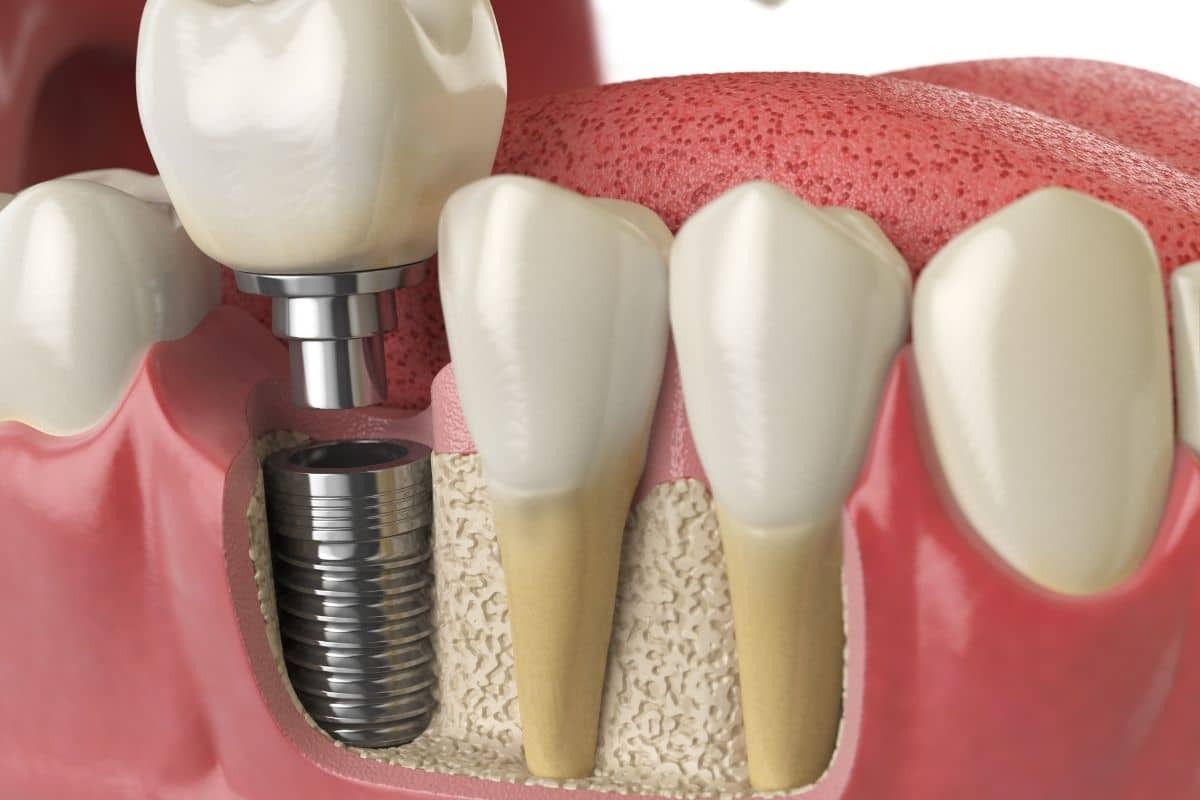
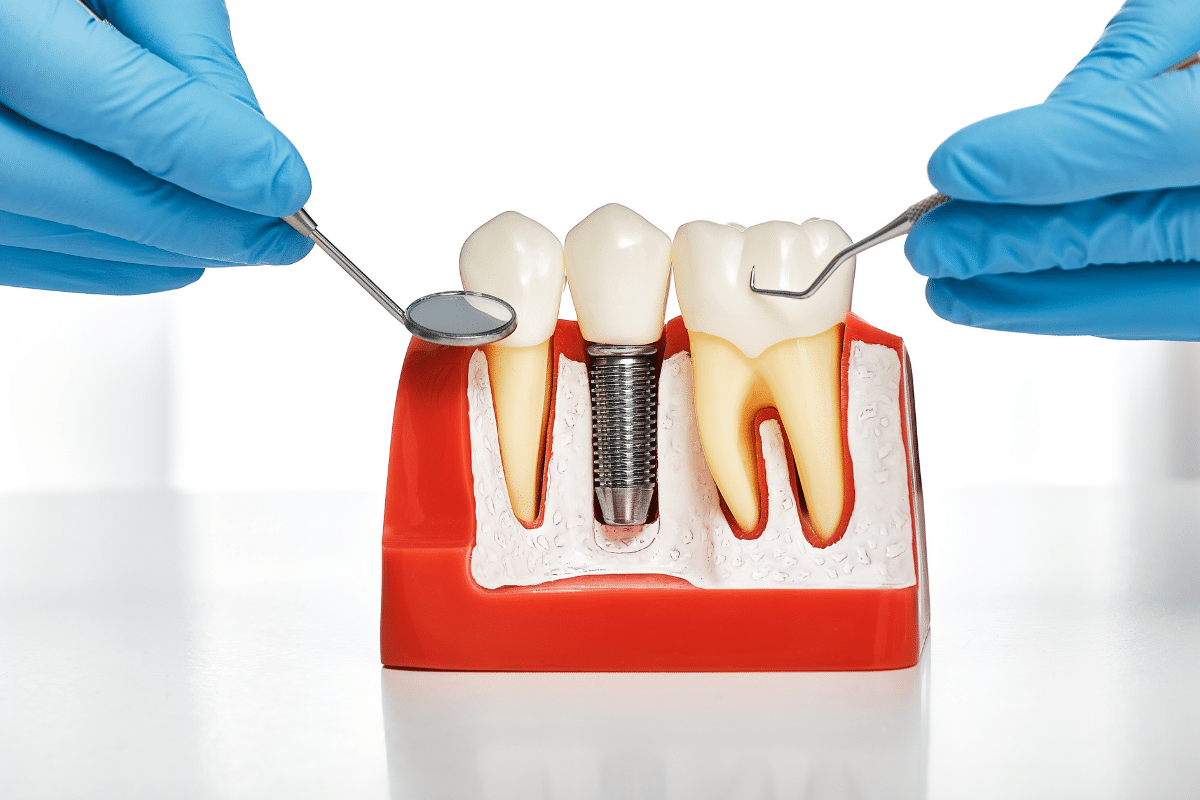
Dental implants become secure through a process called osseointegration, where the jawbone gradually fuses with the titanium implant. This creates a stable foundation for your future restoration.
Although every patient heals differently, the general timeline includes:
- Days 1-7: Swelling and tenderness gradually decrease.
- Weeks 2-4: Gum tissue continues healing around the implant.
- Months 2-3: Bone continues attaching to the implant.
- Months 4-6: Osseointegration is typically complete for many patients.
During this period, avoid placing excessive pressure on the implant until your dentist confirms it has healed properly.
Caring for Your Implant for Years to Come
With consistent maintenance, dental implants can provide long-lasting function and appearance. Daily brushing and flossing help prevent plaque buildup that could affect the surrounding gums and bone.
Visit your dentist for routine exams and professional cleanings every six months so your implant can be monitored regularly. These appointments allow any concerns to be identified early before they become more difficult to manage.
Avoid habits that place unnecessary stress on your teeth, such as chewing ice, biting hard objects, or using your teeth to open packages. Protecting both your implant and your natural teeth helps preserve your oral health for the long term.
If you’re considering Grapevine dental implants or have questions about recovery, schedule an implant consultation with DFW Smiles to learn how our team supports patients through every stage of treatment and healing.
FAQs
- Are dental implants painful to get?
Most patients experience little to no pain during the procedure because the area is completely numbed with local anesthesia. With modern techniques and attentive care, dental implant treatment is typically more comfortable than many people expect.
- How long does pain last after dental implant surgery?
Mild soreness usually peaks within the first two to three days and gradually improves over the following week. Following your aftercare instructions and staying in touch with your dental team helps support a smoother recovery.
- What can I do to reduce pain and swelling after dental implants?
Using ice packs, taking medications as directed, eating soft foods, and getting enough rest can help minimize discomfort. Your dental office will also provide personalized recovery instructions to make healing as comfortable as possible.
- When should I call my dentist after getting a dental implant?
Contact your dentist if you develop severe pain, persistent swelling, heavy bleeding, fever, or if the implant feels loose. Prompt evaluation can prevent complications and help protect your long-term results.
- How long does it take for a dental implant to fully heal?
While most discomfort improves within one to two weeks, the implant usually takes several months to fully integrate with the jawbone. Regular follow-up visits allow your dentist to monitor healing and ensure everything is progressing properly.
- Can I eat normally after dental implant surgery?
You’ll need to eat soft foods for the first several days while the surgical area heals. Your dentist will let you know when it’s safe to gradually return to your normal diet based on your recovery.
- Is dental implant surgery more painful than a tooth extraction?
Many patients say dental implant surgery feels more comfortable than a tooth extraction because the procedure is carefully planned and performed under effective anesthesia. Choosing an experienced dental team can make the entire process feel much easier.