

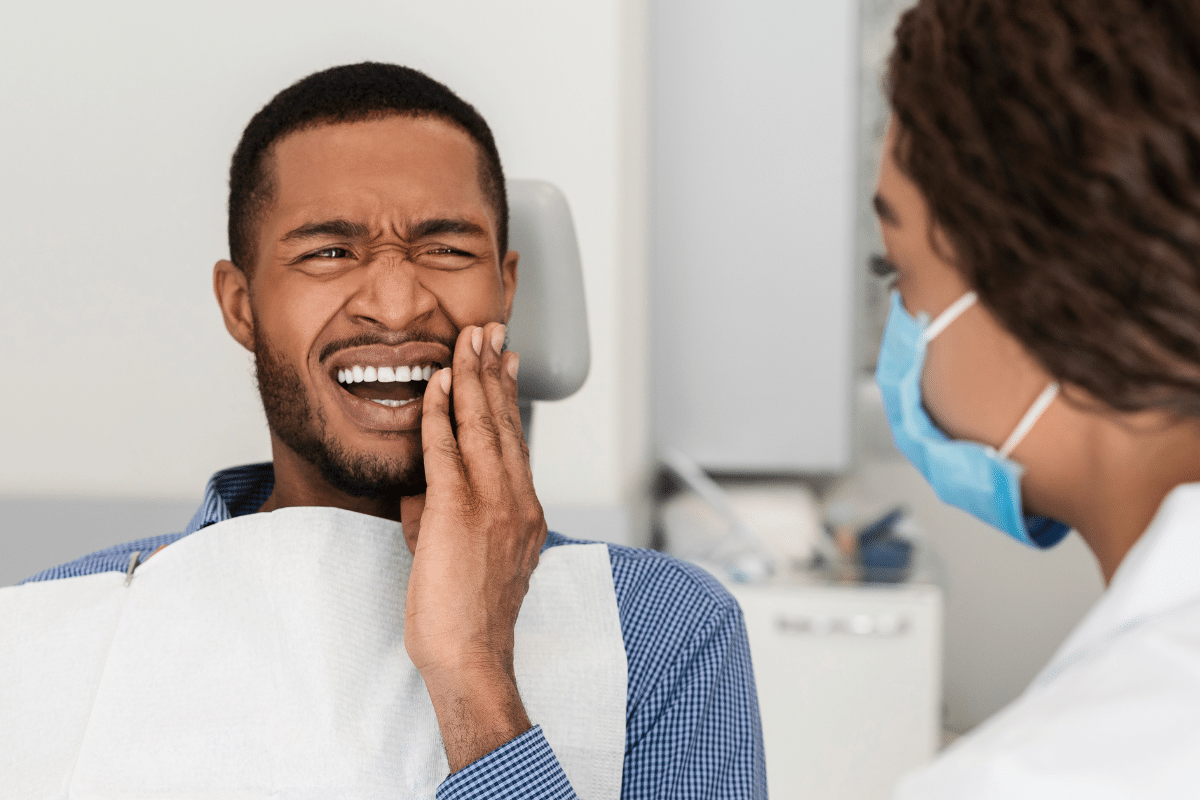
Tooth pain often feels manageable during daytime hours but becomes noticeably sharper and more persistent at night. This pattern is medically recognized and is usually linked to changes in body position, blood flow dynamics, and reduced sensory distraction during sleep.
Clinically, nighttime worsening is commonly associated with inflammatory dental conditions such as deep decay, pulp irritation, or gum infection. When inflammation is present, pressure increases inside the tooth structure, and symptoms become more pronounced once the body is at rest.
Patients around the Grapevine area often report that discomfort becomes more noticeable after evening routines, whether after dining along Historic Main Street or spending time near Lake Grapevine, when external distractions fade and symptoms become more apparent.
At DFW Smiles, Dr. William Cody Brown and Dr. Jennifer West evaluate these patterns to determine whether the source is nerve inflammation, decay progression, or bite-related stress. If you are experiencing persistent nighttime tooth pain, it is important to visit our dental office for a clinical evaluation before the condition progresses.
Why Toothaches Intensify at Night
Toothaches tend to feel worse at night because physiological and neurological conditions amplify pain perception during rest. When lying down, blood circulation shifts toward the head, increasing pressure in inflamed or infected dental tissues.
From a dental standpoint, this is especially significant in cases of pulpitis or deep cavities where the nerve space is already compromised. With fewer distractions, the brain also becomes more sensitive to pain signals, making even mild inflammation feel severe.
Key contributing factors include:
- Increased vascular pressure in a horizontal sleeping position
- Reduced cognitive distraction during rest
- Heightened sensitivity of inflamed dental nerves
Even early-stage dental issues can feel significantly more intense under these conditions.
Inflammation, Pressure, and the Nighttime Pain Cycle
Nighttime tooth pain is strongly influenced by inflammatory pressure changes within confined tooth structures. Unlike other tissues, the pulp chamber has no capacity to expand when swelling occurs.
As blood flow increases while lying down, pressure builds inside the tooth, compressing nerve endings. This is what causes the throbbing or pulsating pain commonly reported by patients.
The National Institute of Dental and Craniofacial Research (NIH) reports that untreated dental caries remains one of the most prevalent chronic conditions in adults in the United States, highlighting how often hidden inflammation exists before symptoms escalate.
This reinforces why nighttime pain is often a late indicator of an underlying dental issue rather than an isolated discomfort.
Grinding, Sinus Pressure, and Other Hidden Causes
Not all nighttime toothaches originate from decay or infection. In many cases, secondary factors such as grinding, sinus congestion, or bite misalignment contribute significantly to discomfort.
Bruxism, or involuntary teeth grinding during sleep, places repetitive stress on teeth and jaw joints. Over time, this leads to ligament inflammation, which becomes more noticeable at night when muscles relax.
Upper tooth pain may also be linked to sinus inflammation, especially during seasonal changes. This is particularly relevant in North Texas, where allergy fluctuations can increase sinus pressure and mimic dental pain.
These overlapping conditions often make self-diagnosis difficult without a professional evaluation.
Why Dry Mouth Makes Night Pain Worse
Saliva production naturally decreases during sleep, which reduces the mouth’s ability to neutralize acids and control bacterial activity. This change significantly affects patients with existing cavities or gum inflammation.
When the mouth becomes dry:
- Bacterial activity increases around decay sites.
- Acid levels rise, irritating exposed tooth structures.
- The sensitivity of inflamed areas increases.
Mouth breathing or dehydration before sleep can intensify this effect, making previously mild sensitivity feel more severe overnight.
When Nighttime Tooth Pain Becomes Urgent
Severe or persistent nighttime tooth pain should always be treated as a warning sign, especially when it disrupts sleep or worsens over time. In many cases, it may indicate infection or advanced nerve involvement requiring prompt care.
Symptoms such as swelling, fever, or sensitivity to hot foods often suggest a progressing dental condition that should not be delayed.
Patients searching for an emergency dentist in Grapevine frequently experience these symptoms during off-hours when pain becomes difficult to manage. Timely intervention helps prevent the spread of infection and reduces the likelihood of more complex treatment later.
This is also why individuals often look for an ‘emergency dentist near me’ when symptoms escalate suddenly at night.
At DFW Smiles, emergency evaluations focus on identifying the source of inflammation and providing targeted relief while preserving long-term dental health.
Local Lifestyle Factors That Influence Night Tooth Pain
Daily habits and regional lifestyle patterns can subtly influence the severity of nighttime dental discomfort. Diet, hydration, and timing of oral hygiene all play important roles.
Evening routines in and around Grapevine, such as dining at local restaurants near Historic Main Street or enjoying activities near the lake, often involve acidic or sugary foods. If oral hygiene is delayed afterward, bacterial activity can increase overnight.
These lifestyle patterns do not cause toothaches directly, but they can accelerate existing dental issues, making symptoms more noticeable at night.
How to Reduce Nighttime Toothaches
Managing nighttime tooth pain involves reducing inflammation triggers and improving oral stability before sleep. While home care cannot replace professional treatment, it can help reduce symptom severity temporarily.
Helpful approaches include:
- Maintaining consistent nighttime brushing and flossing
- Staying hydrated in the evening
- Avoiding late-night sugary or acidic foods
- Using a nightguard if grinding is suspected
- Scheduling routine dental exams to detect early issues
These habits help minimize overnight bacterial activity and reduce pressure-related discomfort.
Why Professional Diagnosis Is Essential
Nighttime toothaches are rarely random and often indicate an underlying structural or inflammatory issue. Accurate diagnosis requires clinical examination and imaging to assess nerve involvement, decay depth, and gum health.
At DFW Smiles, diagnostic evaluation focuses on identifying the exact source of pain rather than masking symptoms. This ensures treatment is both targeted and effective, reducing the likelihood of recurring nighttime discomfort.
Frequently Asked Questions
Why does tooth pain feel worse when lying down?
Tooth pain worsens when lying down because increased blood flow to the head raises pressure in inflamed tooth structures, intensifying discomfort.
Can a toothache go away without treatment?
Some mild discomfort may temporarily improve, but underlying issues like decay or infection typically persist and worsen without professional care.
Is nighttime tooth pain always a sign of infection?
No, it can also result from grinding, sinus pressure, or enamel sensitivity. A dental evaluation is necessary for an accurate diagnosis.
When should I see an emergency dentist in Grapevine?
You should seek urgent care if pain is severe, persistent, or accompanied by swelling, fever, or difficulty chewing.
What helps temporarily relieve tooth pain at night?
Cold compresses and over-the-counter pain relief may provide short-term comfort, but do not address the underlying cause.
Can stress contribute to nighttime tooth pain?
Yes, stress can trigger teeth grinding during sleep, which places excessive pressure on teeth and surrounding structures.
Should I search for an emergency dentist near me for nighttime pain?
Yes, if pain is intense or worsening quickly, seeking emergency care is recommended to prevent complications.