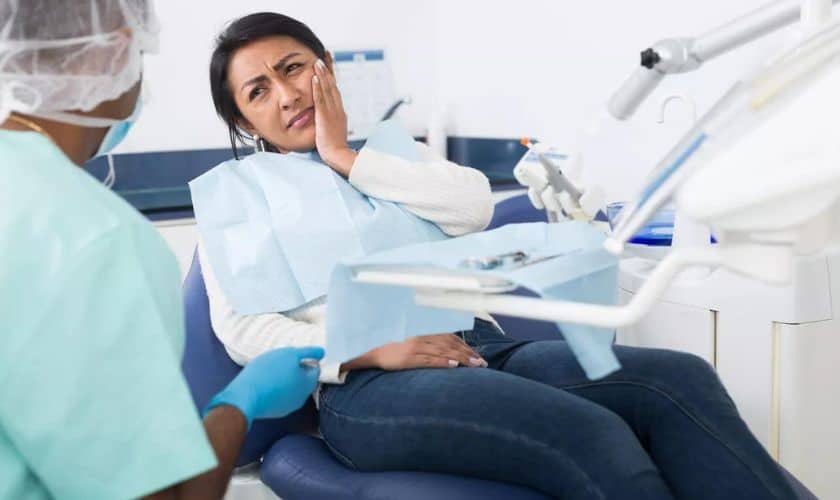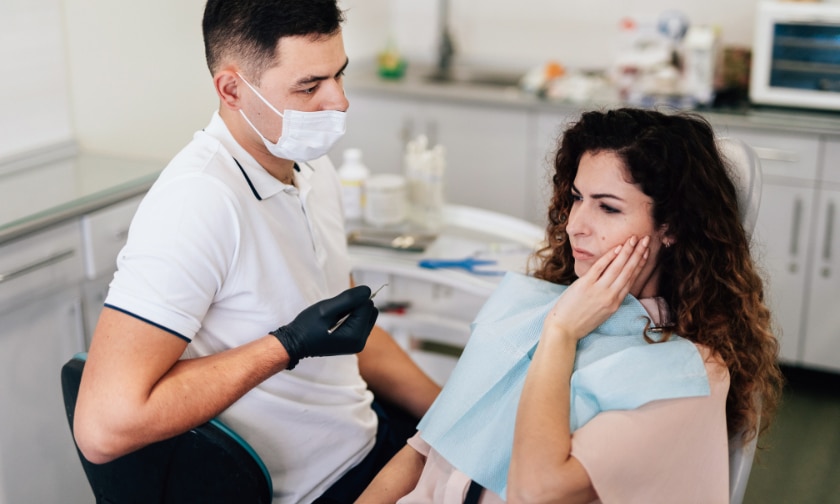


Dental emergencies can strike when we least expect them, causing pain, and stress, and often leading to expensive emergency dentist visits. However, the good news is that many dental emergencies are preventable with the right habits and awareness. Maintaining a healthy smile doesn’t just boost your confidence; it plays a crucial role in your overall well-being and helps avoid situations where a dental emergency becomes necessary. This guide provides practical tips to help you avoid dental emergencies and keep your smile in top shape.
Understanding Dental Emergencies
What is a Dental Emergency?
A dental emergency involves any dental issue that requires immediate treatment to stop bleeding, alleviate severe pain, or save a tooth. Common examples include cracked or knocked-out teeth, sudden or intense toothaches, and abscesses. When left untreated, these conditions can worsen, potentially leading to serious complications.
Why Should You Prevent Dental Emergencies?
Preventing dental emergencies saves you time, money, and pain. Emergency dentist visits can be expensive and may disrupt your routine significantly. By maintaining good oral health, you reduce the likelihood of unexpected issues and can avoid urgent trips to the dentist.
Key Tips to Prevent Dental Emergencies
1. Stick to a Regular Dental Routine
One of the simplest ways to prevent dental emergencies is to maintain a consistent dental routine. Brush twice a day, floss daily, and use an antibacterial mouthwash to keep harmful bacteria at bay. Regularly cleaning your teeth and gums reduces the buildup of plaque, which can lead to cavities, gum disease, and other dental problems that often require emergency treatment.
Importance of Brushing and Flossing
Brushing and flossing remove food particles, bacteria, and plaque from your teeth and gums. Proper oral hygiene helps prevent tooth decay and gum infections, which are common causes of toothaches and abscesses that often lead to emergency dentist visits.
2. Wear Protective Gear for Sports and Physical Activities
Whether you play contact sports or engage in other activities with a risk of falling or collision, using protective gear like mouthguards is essential. Mouthguards cushion the impact, protecting teeth from cracks, breaks, or getting knocked out. Many dental emergencies involve injuries that could have been prevented with a simple mouthguard.
Choosing the Right Mouthguard
Invest in a quality, custom-fitted mouthguard from your dentist for optimal protection. While over-the-counter options are available, custom-fitted mouthguards provide better comfort and protection, especially for regular athletes or those engaging in high-risk activities.
3. Avoid Using Teeth as Tools
Using your teeth to open bottles, rip open packages, or bite on hard items like pens can lead to chipped, cracked, or broken teeth. Teeth are designed for eating, not as makeshift tools. Misusing them can lead to a painful and costly dental emergency. Always use the right tool for the job and avoid putting unnecessary pressure on your teeth.
4. Be Mindful of What You Eat
What you eat affects your dental health significantly. Hard foods like ice, hard candies, and nuts can break or chip teeth if not chewed carefully. Sticky or sugary foods can stick to teeth and contribute to decay. Make a habit of choosing teeth-friendly snacks like cheese, yogurt, and crunchy fruits and vegetables. Drinking water after meals also helps wash away food particles and bacteria.
Foods to Avoid for a Healthier Smile
Some foods are notorious for causing dental issues, including hard candies, caramel, popcorn (especially unpopped kernels), and acidic beverages like soda. Limiting these foods can reduce the risk of dental emergencies and help keep your teeth strong and healthy.
5. Schedule Regular Dental Checkups
Routine dental checkups allow your dentist to catch issues early before they escalate into emergencies. Professional cleanings remove tartar that brushing alone can’t eliminate, reducing the risk of cavities and gum disease. Dentists can also detect early signs of potential problems, like cracks or loose fillings, and address them before they worsen.
How Often Should You See Your Dentist?
For most people, a dental checkup every six months is ideal. However, your dentist may recommend more frequent visits if you have specific concerns or a history of dental issues.
How to Handle Common Dental Emergencies
Even with the best prevention, emergencies can sometimes happen. Here’s a quick guide on what to do:
- Toothache: Rinse your mouth with warm salt water and use an over-the-counter pain reliever. Avoid placing aspirin directly on the gum as it can cause burns.
- Knocked-Out Tooth: Try to place the tooth back in the socket if possible. If not, keep it in a container of milk or saline solution and get to an emergency dentist immediately.
- Cracked or Chipped Tooth: Rinse with warm water, and apply a cold compress to reduce swelling. Avoid chewing on that side until you see a dentist.
Taking care of your teeth isn’t just about having a great smile—it’s about avoiding painful and costly dental emergencies. By following a diligent oral care routine, protecting your teeth during high-risk activities, being mindful of what you eat, and scheduling regular dental checkups, you can prevent many common dental emergencies. A few simple habits can go a long way in keeping your smile healthy and saving you from the need for an emergency dentist.