

Dental implants have become the answer for those looking for a long-term, natural-looking alternative to dentures or bridges. Using advanced technology, dental implants can revive a smile and, in turn, give the patient outcomes that feel like real teeth, work like real teeth, and look like real teeth. Understanding the science behind this transformative solution can be empowering for those considering dental implants in Grapevine. This article is going to discuss how dental implants work, their benefits, and what has made them so effective for tooth replacement.
What Are Dental Implants?
Dental implants are artificial replacements that are used to fill the spaces resulting from missing teeth. Unlike the other available replacement options, there is a small titanium post that is surgically embedded into the jawbone for support, simulating a tooth root. This prosthetic serves as the base to support a crown, bridge, or denture, thereby allowing for a natural-looking and stable smile. Access to dental implants has become more readily available in Grapevine, with many local dentists offering this treatment.
How Do Dental Implants Work?
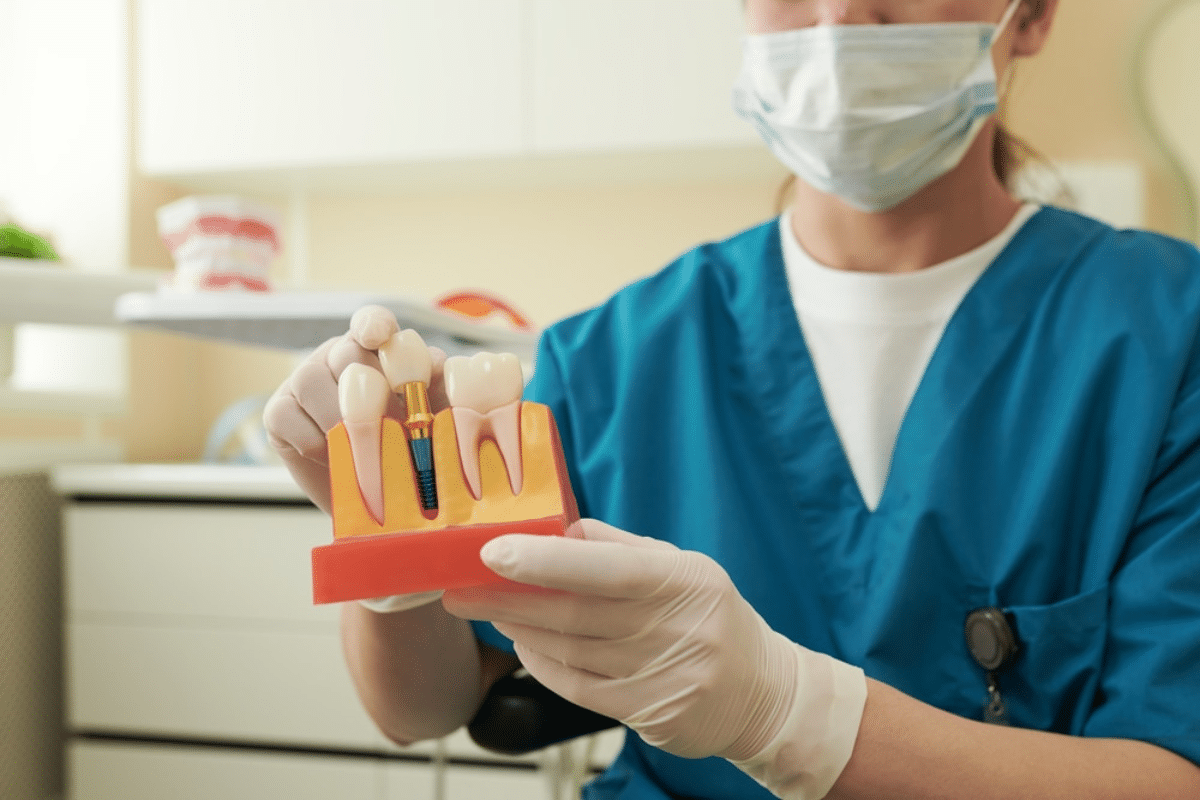
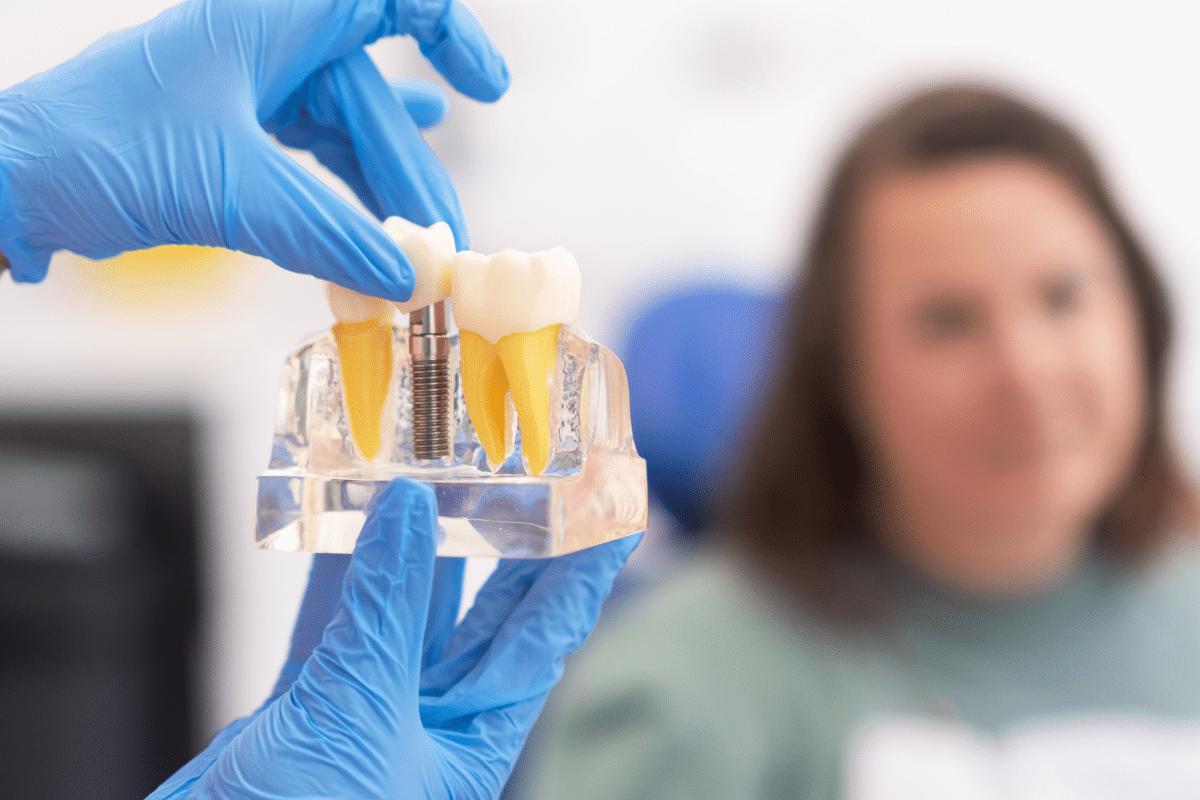
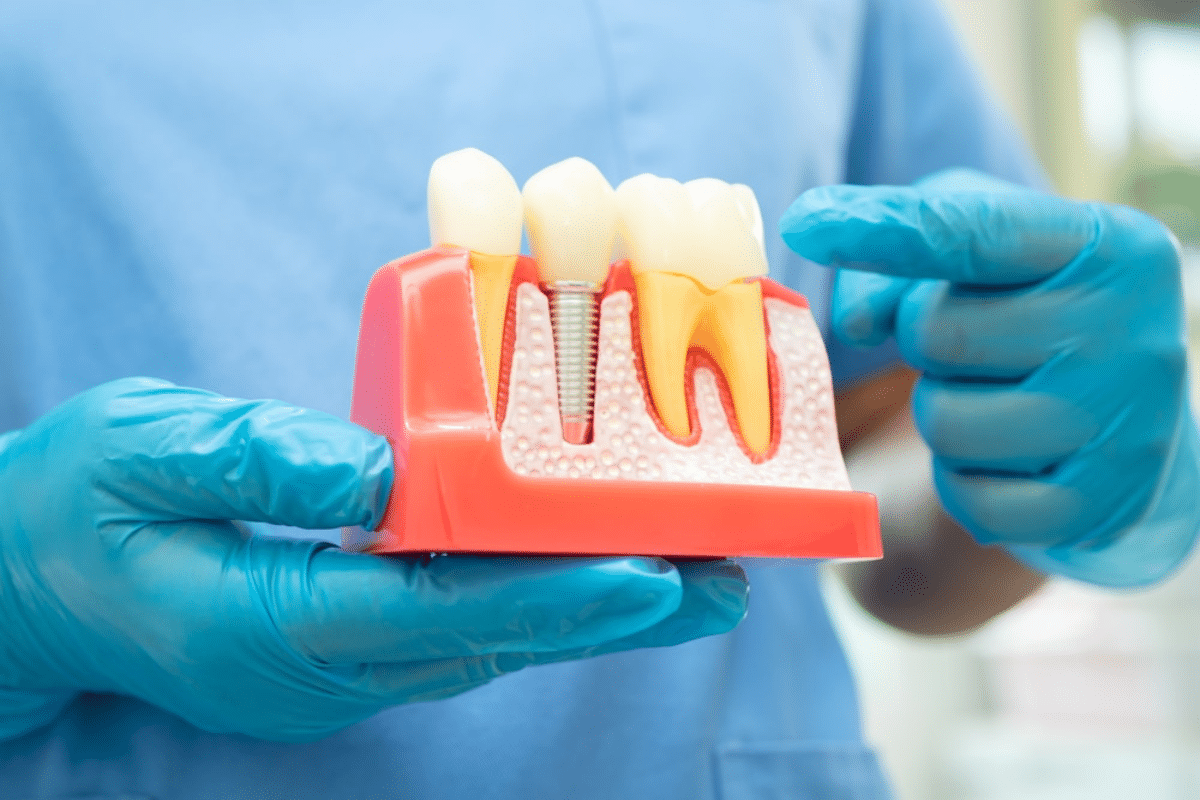
The basis of dental implants is their biocompatibility, meaning they can integrate into the jaw. This process is termed osseointegration. Here is a more detailed explanation of the major components and stages involved:
1. The Titanium Post: The Base of any Dental Implant
Any dental implant begins with the titanium post, a little but strong screw surgically inserted into the jawbone. Its specific feature is that titanium is biocompatible: the body does not react to the appearance of this metal with an inflammatory response. After having entered the bone in a certain manner, it makes a solid and permanent anchor – like a natural tooth root. Stability explains why dental implants are more functional and durable than other variants of dental rehabilitation.
2. Osseointegration: The Key to Success
Osseointegration is the integration or rather fusion of titanium post with the bone surrounding it. This process normally takes a few months where tissue of the bone starts to grow around and adhere to the titanium. Once osseointegration is complete, the implant is fully integrated and provides stability for a replacement tooth or teeth. This bonding, therefore makes implants as stable as the natural ones, allowing the patients to chew, talk, and smile with confidence.
3. The Abutment: Connecting Post and Crown
On top of the titanium post after integration with the bone, there sits a small connector piece called an abutment. The abutment acts as a bridge to connect the implant to the replacement tooth or crown. It has to be tough and precise to place for the crown to align well against the other teeth.
4. The Crown: Smiling Completion
The crown is the last part of the implant and that which would show up when a smile or word comes out. Crowns are made out of porcelain or ceramic and are made to flow nicely with the rest of the patient’s natural teeth. Then, when the crown is attached to the abutment, the process of restoration gets completed as this supplies a fully working, pleasing-to-the-eye tooth replacement.
Advantages of Dental Implants
Knowledge of the science behind dental implants would throw into prominence their special advantage:
- Natural Look and Feel: Resembling natural teeth in their looks and action, the look is so close to that of natural teeth that often patients will not be able to distinguish between them.
- Improved Oral Health: Unlike bridges that need some adjacent teeth to be ground down to attach a bridge, in dental implants, the health of the neighboring teeth is preserved.
- Better Bone Health: Dental implants stimulate the jawbone, avoiding bone loss which naturally occurs after an extraction of a tooth.
- Durable Solution: With proper maintenance, dental implants can last for a lifetime. Then they would be one of the most affordable solutions.
Thus, those seeking an experienced dentist in Grapevine will surely not lose their long-term oral health and well-being with implants.
Is My Smile Right for a Dental Implant?
Not every patient is considered a perfect candidate for dental implants. In most cases, excellent candidates are patients who have healthy gums and adequate jawbone density to support the implant. However, some advancement has occurred in technology related to dentistry, such as bone grafting procedures that will help strengthen jawbones, hence making people fit candidates to be introduced to dental implantation.
If you are considering dental implants in Grapevine, an experienced dentist can advise you on whether this is what you require. During your consultation, your dentist will evaluate your oral health, explain the implantation process in further detail, and create a personalized treatment plan to cater to your needs.
Dental implants are one powerful and scientifically advanced solution for those looking for a stiff, natural-looking alternative to traditional dentures or bridges. Because it’s directly fused to the bone, the implants yield unparalleled stability and durability, restoring a combination of function and aesthetics for the smiles of patients. In the case of Grapevine residents, the option of dental implants can be transformative as they find confidence and comfort in their smile while improving oral health, thus enhancing their quality of life. Consult with one of our experienced dentists in Grapevine about your options for dental implants to determine if they are right for you and take that first step toward a restored, lasting smile.