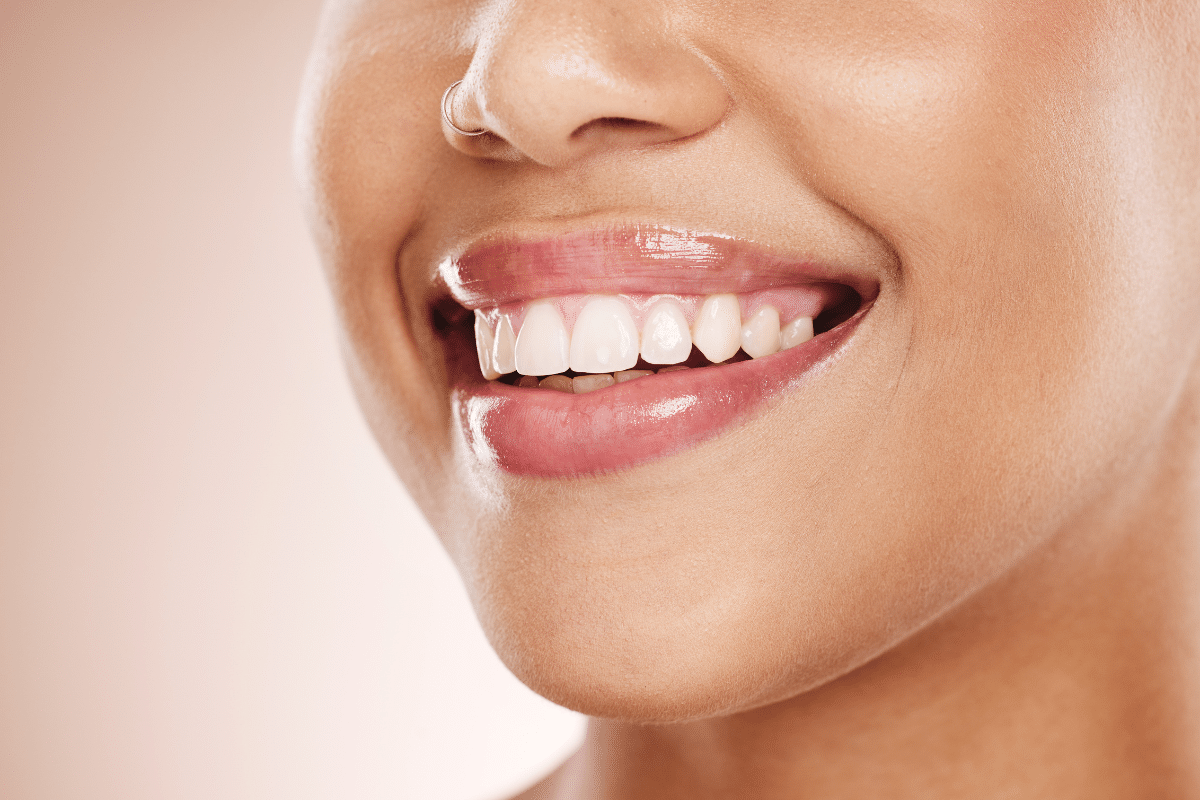


When temperatures rise, our daily routines shift dramatically. Long afternoons spent soaking up the sun at Meadowmere Park, weekend outings along Lake Grapevine, or browsing the local Grapevine Farmers Market naturally change what we put on our plates and in our cups. While switching to refreshing beverages and cool snacks makes the Texas heat bearable, these seasonal dietary changes can quietly erode tooth enamel, increase sensitivity, and promote decay.
At DFW Smiles, Dr. William Cody Brown and our clinical team work closely with local families to protect their oral health during every season. If you are noticing heightened sensitivity or are due for your seasonal checkup, you can visit our dental office today to keep your smile healthy and bright all year long.
Why Does Summer Increase Your Risk of Tooth Decay?
Summer increases tooth decay risks primarily through frequent snacking, dehydration, and a higher intake of sugary, acidic refreshments. Reduced salivary flow during warm weather combines with frequent exposure to carbohydrates, creating an ideal environment for harmful oral bacteria to multiply and weaken tooth enamel.
According to data from the Centers for Disease Control and Prevention (CDC), over 25% of U.S. adults have untreated dental caries. During summer, this vulnerability often spikes due to continuous, low-level exposures to sugars and acids.
How Acidic Beverages Silently Strip Away Tooth Enamel
Acidic summer drinks like lemonade, iced teas, and sports beverages lower the oral pH below 5.5, triggering demineralization. This process strips protective calcium and phosphate minerals from your enamel, leaving teeth transparent, yellowed, and overly sensitive.
When you spend an afternoon walking down Historic Main Street, stopping for an ice-cold sweet tea or artisanal lemonade feels essential. However, constant sipping keeps your mouth’s pH level in an acidic danger zone.
The Mechanism of Demineralization
Enamel is the hardest tissue in the human body, but it dissolves when exposed to environments with a pH of 5.5 or lower. Customary summer drinks often measure between 2.5 and 3.5 on the pH scale.
If you suspect your enamel is thinning or experience sharp pain when drinking cold liquids, consulting an experienced dentist in Grapevine can help identify early signs of erosion before permanent structural damage occurs.
- Lemonade and Citrus Juices: Packed with citric acid that directly softens outer tooth structures.
- Sweetened Iced Teas: Combine high acidity with tannins that deeply stain compromised enamel.
- Sports Drinks: Formulated with aggressive battery-level acids (citric and phosphoric) designed for shelf life, not enamel preservation.
Are Your Favorite Summer Foods Hiding Hidden Sugars?
Many savory summer staples, including commercial barbecue sauces, fruit glazes, and flavored ice treats, contain high amounts of hidden fermentable carbohydrates. These sticky sugars adhere to tooth surfaces, feeding plaque bacteria that produce localized enamel-destroying acids.
Local culinary traditions bring incredible flavor to summer gatherings, from backyard smoked meats to frozen treats enjoyed near the Grapevine Vintage Railroad. However, these foods often carry high concentrations of hidden sugars that cling tightly to the pits and grooves of your molars.
The Pitfalls of Sticky Sauces and Starchy Snacks
- Barbecue Sauces & Glazes: Brown sugar and molasses bases create a tar-like film over enamel, allowing bacteria to feed undisturbed for hours.
- Dried Fruit Mixes & Fruit Leather: While perceived as healthy options during outdoor hikes, their sticky consistency lodges deep into interdental spaces.
- Chips and Pretzels: Starches break down into simple sugars right in the mouth, wedging between teeth and fueling plaque build-up.
Working with a trusted Grapevine dentist ensures that hidden plaque traps in hard-to-reach areas are thoroughly evaluated and professionally cleaned before severe decay develops.
The Danger of Dehydration and Deceptive Habits
Elevated heat increases systemic dehydration, significantly reducing natural saliva production needed to flush away debris and neutralize oral acids. Additionally, behavioral habits like chewing on leftover ice physically stress tooth structures, causing micro-fractures.
Saliva is your mouth’s primary natural defense system. It contains essential bicarbonate buffers to neutralize acids and rich deposits of calcium and phosphate to remineralize microscopic enamel defects.
Why Saliva Flow Drops in Texas Summers
When ambient temperatures soar, your body diverts water toward cooling systems like sweating. If fluid intake does not compensate, salivary glands slow production. A dry mouth (xerostomia) drastically accelerates bacterial growth, leading to rapid decay along the gumline and persistent bad breath.
The Thermal Shock of Ice Chewing
Crushing leftover ice from a cold drink might feel refreshing, but it exerts immense, unbalanced pressure on your teeth. The extreme cold causes enamel to contract rapidly, while the hard crystal structure resists. This thermal shock leads to microscopic craze lines that eventually bloom into painful tooth fractures requiring extensive restorative care.
If you happen to chip or crack a tooth while crunching on ice, contacting a trusted dentist in Grapevine promptly can save your natural tooth structure and restore your bite integrity.
Practical Protective Strategies for a Healthy Summer Smile
Protecting your oral health during summer requires proactive habits like rinsing with plain water after acidic treats, using a straw, and staying well-hydrated. Delaying brushing for 30 minutes after consuming acidic foods prevents dynamic enamel abrasion while soft tissues recover.
Maintaining vibrant oral health does not mean skipping summer fun or local culinary delights. Applying targeted preventive care preserves your tooth enamel while allowing you to enjoy seasonal festivities.
- Rinse thoroughly with tap water: After enjoying a cold lemonade or barbecue feast, swish plain water to flush away lingering sugars and neutralize acids immediately.
- Use reusable straws: Drinking acidic or sugary beverages through a straw bypasses the front surfaces of your teeth, reducing direct fluid-to-enamel contact time.
- Wait before brushing: Never brush your teeth immediately after consuming acidic items. The enamel is temporarily softened; brushing right away scrubs off protective layers. Wait at least 30 minutes for saliva to naturally re-harden the surface.
- Choose crunch-safe hydrating snacks: Replace hard ice with fresh, crisp veggies like celery, cucumbers, and carrots, which stimulate salivary flow while cleaning tooth surfaces naturally.
Frequently Asked Questions
How does summer dehydration directly lead to tooth decay?
Dehydration slows down natural saliva production within the mouth. Without adequate saliva to neutralize acids and wash away food particles, decay-causing bacteria rapidly proliferate, eroding enamel uninterrupted.
Is drinking iced tea worse for my teeth than plain water?
Yes, iced tea often contains high concentrations of tannins that stain enamel, alongside natural acidity. Sweetened varieties also introduce sugars that feed harmful plaque bacteria continuously.
Why do my teeth feel more sensitive when eating cold summer treats?
Cold treats cause exposed dentin tubules to contract rapidly, triggering nerve signals. Thinning enamel from acidic summer drinks heightens this sensitivity, causing sharp, immediate discomfort.
Can chewing on ice really crack my dental work or natural teeth?
Yes, chewing ice creates severe mechanical stress and extreme thermal contraction simultaneously. This combination frequently causes micro-fractures, chipped enamel, and damaged fillings or crowns.
How soon after drinking lemonade should I brush my teeth?
Wait at least 30 minutes before brushing your teeth after drinking lemonade. Brushing immediately rubs softening acids deeper into tooth enamel, stripping away vital protective surfaces.
Are fruit smoothies considered a safe option for tooth enamel?
While nutrient-dense, fruit smoothies contain concentrated natural sugars and high acid levels. Sipping them slowly exposes teeth to continuous acid attacks, requiring a water rinse afterward.
What is the most effective immediate action after consuming sugary summer foods?
Swishing thoroughly with clean water immediately after eating is most effective. This simple action helps neutralize acids, reduces sugar residue, and restores a balanced oral pH environment quickly.
Schedule Your Personalized Diagnostic Evaluation
Understanding how your seasonal diet impacts your oral health is the first step toward maintaining a lifetime of confident, healthy smiles. Every individual’s enamel thickness, salivary composition, and bite dynamics are unique. Rather than waiting for sensitivity or toothaches to disrupt your summer plans, proactive professional care ensures potential issues are addressed before they progress.
We invite you to reach out to our welcoming team to undergo a thorough, comprehensive oral evaluation tailored directly to your lifestyle and anatomical needs.
Book an appointment with DFW Smiles today to safeguard your smile!