
A sudden dental trauma can turn your day upside down instantly. Whether you suffered a cracked molar during a weekend outing or experienced a lost crown, proper post-treatment care is vital for full recovery. According to the Centers for Disease Control and Prevention (CDC), tooth disorders account for nearly 2 million emergency department visits in the United States every year. While receiving prompt clinical treatment eliminates initial pain, your recovery at home depends heavily on the foods you choose. Knowing what to eat and what to strictly avoid protects fresh restorations, stabilizes sensitive surgical sites, and prevents secondary infections.
At DFW Smiles, Dr. William Cody Brown and our experienced clinical team provide compassionate emergency dentistry designed to restore your smile safely. When unexpected dental injuries happen, you can visit our dental office for immediate evaluation and high-quality restorative solutions. To ensure your recovery remains seamless after leaving our care, we have compiled this comprehensive nutritional guide.
Why Is Your Post-Emergency Diet Essential for Healing?
Your post-emergency diet directly impacts blood clot formation, tissue regeneration, and structural stability around the treated tooth. Consuming soft, nutrient-dense foods reduces mechanical stress on fresh restorations while protecting exposed nerve endings. Proper nutrition minimizes inflammation and accelerates tissue repair following urgent dental procedures.
Eating the right foods after an emergency dental procedure provides necessary nutrients without causing mechanical trauma to vulnerable oral tissues. When our emergency dentist in Grapevine repairs a severe fracture, treats an abscess, or places a temporary crown, the surrounding gum tissue remains sensitive. Biting down on rigid structures can displace blood clots, dislodge temporary materials, or introduce harmful bacterial debris into healing surgical sites.
Maintaining a soft-food routine allows the ligament fibers surrounding your root structures to stabilize properly. Soft foods reduce the need for aggressive chewing, preventing accidental pressure on traumatized bone tissue. Moreover, staying hydrated with temperate fluids keeps saliva flowing naturally, which washes away food particles and maintains a balanced microbial environment.
What Foods Should You Eat After a Dental Emergency?
Ideal recovery foods require minimal chewing, contain zero sharp edges, and provide vital proteins and minerals to encourage soft-tissue healing. Smooth soups, scrambled eggs, yogurt, and mashed vegetables offer optimum nourishment without compromising recovering teeth. Maintaining balanced nutrition during recovery prevents physical fatigue and accelerates healing.
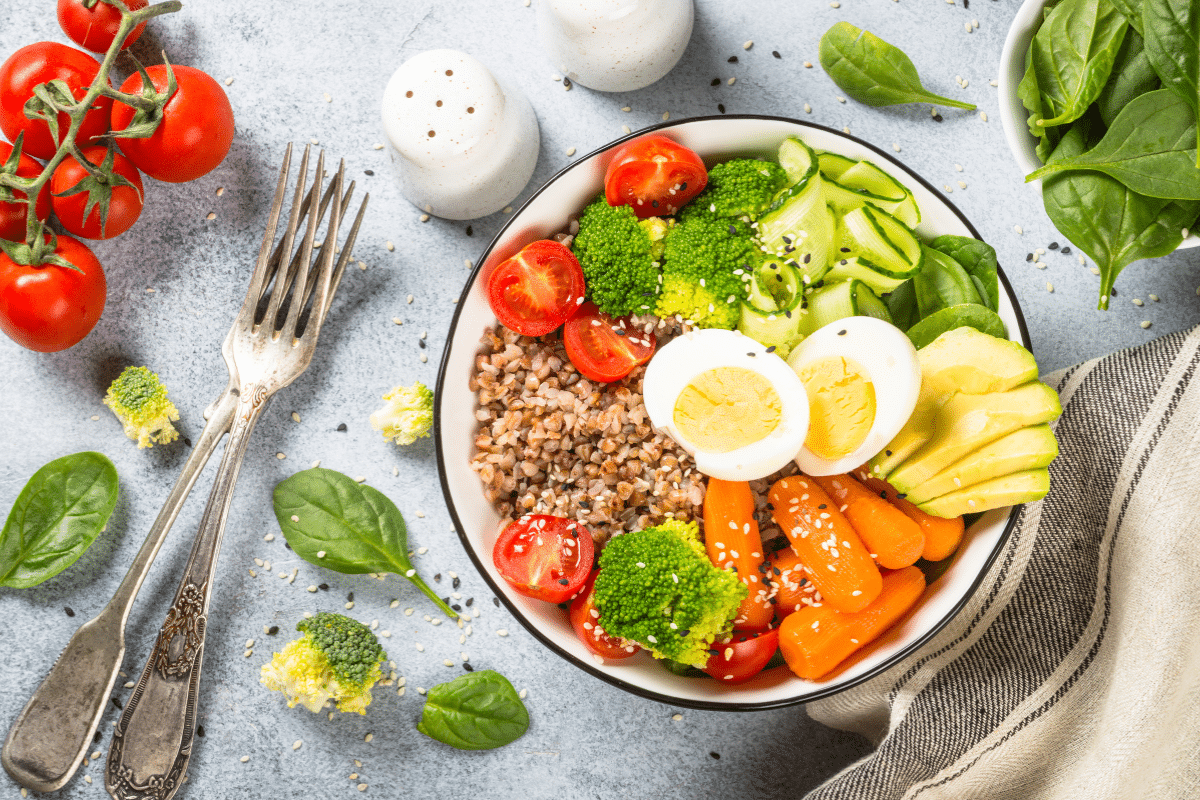
Selecting nutrient-dense, soft-textured foods keeps your body strong without risking damage to fresh dental work. Here are the safest dietary options following urgent dental care:
Warm Broths and Blended Vegetable Soups
Smooth, blended soups made from carrots, squash, or bone broth deliver crucial vitamins without requiring any jaw movement. Ensure the soup is served warm rather than hot to prevent thermal irritation near tender extraction sites or root canal treatments.
Protein-Rich Dairy and Plant-Based Soft Foods
Unsweetened Greek yogurt, cottage cheese, and soft tofu provide high concentrations of calcium and protein essential for tissue reconstruction. These foods require zero mastication and soothe inflamed oral tissues naturally.
Mashed Vegetables and Smooth Grains
Mashed sweet potatoes, well-cooked oatmeal, and soft avocado offer complex carbohydrates and fiber. They provide sustained energy while remaining gentle on raw gums and delicate temporary crowns.
When recovering near Historic Main Street, residents often look for soft local comfort options. Gentle, unsweetened applesauce or smooth, lukewarm purees from local artisan markets offer a fantastic way to enjoy rich regional flavors without placing undue stress on your recovering bite.
What Foods and Drinks Should You Strictly Avoid?
You must strictly avoid hard, chewy, sticky, spicy, and acidic foods after a dental emergency to protect compromised teeth. Sharp items can fracture temporary restorations, while sticky substances easily pull crowns out of alignment. Acidic and hot foods trigger nerve sensitivity and irritate raw tissue.
Navigating local dining while recovering requires cautious food choices to protect your smile. Steering clear of specific textures prevents painful setbacks:
- Crunchy and Hard Textures: Items like tortilla chips, hard tacos, and nuts exert extreme focal pressure. Biting these foods can easily snap a newly bonded tooth or dislodge temporary fillings.
- Chewy and Dense Meats: Tender, slow-cooked pulled meats are manageable, but dense brisket or tough jerky requires heavy grinding that strains healing jaw muscles.
- Sticky and Tacky Sweets: Caramels, taffy, and thick syrups exert suction forces that dislodge temporary restorations and expose underlying nerve endings.
- Acidic and Spicy Seasonings: Hot peppers, heavy salsas, and citrus fruits irritate raw mucosal tissues and trigger sharp discomfort in recently treated teeth.
Strolling past popular dining spots along Main Street or visiting local events like GrapeFest means being mindful of regional food temptations. While rich Tex-Mex entrees and crunchy appetizers are community favorites, choosing soft, mild alternatives preserves your recovery during the crucial first 48 hours.
Dietary Adjustments for Specific Dental Emergencies
Dietary choices must match the specific type of emergency treatment you received. Surgical extractions require cool, liquid-to-soft foods and zero suction from drinking straws to protect blood clots. Restorative treatments require chewing exclusively on the untreated side of your mouth to prevent displacement.
Different emergency treatments require distinct post-care eating habits to support predictable healing:
After Urgent Extractions
Protecting the vital blood clot inside the empty socket is your single highest priority after an extraction. Consume cool, smooth foods like chilled puddings or applesauce for the first 24 hours. Never use a drinking straw, as suction forces dislodge the clot and cause a painful condition called dry socket.
After Temporary Crown Placement or Repair
Temporary dental cement requires time to set completely and does not form a permanent bond. Stick to soft pastas, scrambled eggs, and tender fish. Always chew your food on the opposite side of your mouth from the fresh restoration.
After Emergency Treatment for Chipped Teeth
A cracked or chipped tooth often experiences temporary pulp sensitivity. Avoid extreme temperature swings, such as iced drinks or hot coffee. If you suspect an underlying fracture, search for ‘emergency dentist near me’ to ensures early intervention before structural damage worsens.
When Can You Return to Your Normal Eating Routine?
Most patients can reintroduce solid foods within three to seven days depending on the structural complexity of their treatment. Transition gradually by adding soft solids like tender poultry and well-cooked vegetables before attempting crunchy items. Always follow specific post-operative guidelines provided by your clinician.
Returning to your regular diet should happen gradually as surgical swelling recedes and structural sensitivity subsides. By day three or four, most patients can reintroduce soft solids like steamed vegetables, tender chicken, and soft rice.
Seek Professional Care for a Smooth Recovery
If you experienced a complex emergency, schedule an evaluation with an emergency dentist in Grapevine to confirm your tooth is fully stabilized before resuming hard foods. If you feel sudden sharp pain, unusual pressure, or movement in a restoration while eating, pause immediately and contact a qualified dentist for an evaluation.
If you recently experienced a dental injury or need expert guidance on protecting your smile, book an appointment with DFW Smiles today. Our compassionate team will perform a thorough diagnostic evaluation to protect your oral health.
Frequently Asked Questions
How long should I wait to eat after emergency dental work?
Wait until local anesthesia wears off completely, usually two to three hours. Eating while numb risks severe, accidental biting of your cheeks, lips, or tongue.
Can I drink coffee after a dental emergency procedure?
Avoid hot coffee for 24 hours because heat increases localized blood flow and swelling. Chilled, lukewarm, non-acidic coffee may be consumed gently without using a drinking straw.
What should I do if a food particle gets stuck in a healing extraction socket?
Rinse gently with warm salt water after meals. Do not use toothpicks, sharp utensils, or aggressive water flossers, which dislodge stabilizing blood clots and delay tissue repair.
Is ice cream safe to eat after receiving urgent dental treatment?
Plain, soft ice cream without nuts, crunchy mix-ins, or hard candy swirls is safe. However, avoid extremely cold foods if your treated tooth exhibits severe thermal sensitivity.
Why are drinking straws dangerous after a tooth extraction?
Drinking through a straw creates negative oral pressure. This suction force easily dislodges the blood clot in the socket, leading to exposed bone, severe pain, and delayed healing.
Can I eat eggs after having a dental emergency?
Yes, scrambled or soft-boiled eggs are ideal recovery foods. They are soft, highly nutritious, rich in tissue-rebuilding protein, and require virtually no chewing force.
What is the safest way to chew if I have a temporary filling?
Chew exclusively on the opposite side of your mouth from the temporary filling. Avoid all hard, sticky, or chewy foods until your permanent restoration is firmly placed.