
As winter rolls into Grapevine and the crisp air settles in, many locals are bundling up for outdoor fun and holiday celebrations. But if you’ve ever stepped outside only to feel a sharp pain in your teeth, you’re not alone. Cold air and winter activities can trigger toothaches, making it hard to enjoy everything the season has to offer. Whether you’re sipping hot cocoa by the fire or strolling through festive lights, understanding why cold weather affects your teeth—and how to prevent it—will help you keep your smile comfortable all season long.
Why Cold Air Causes Tooth Sensitivity?
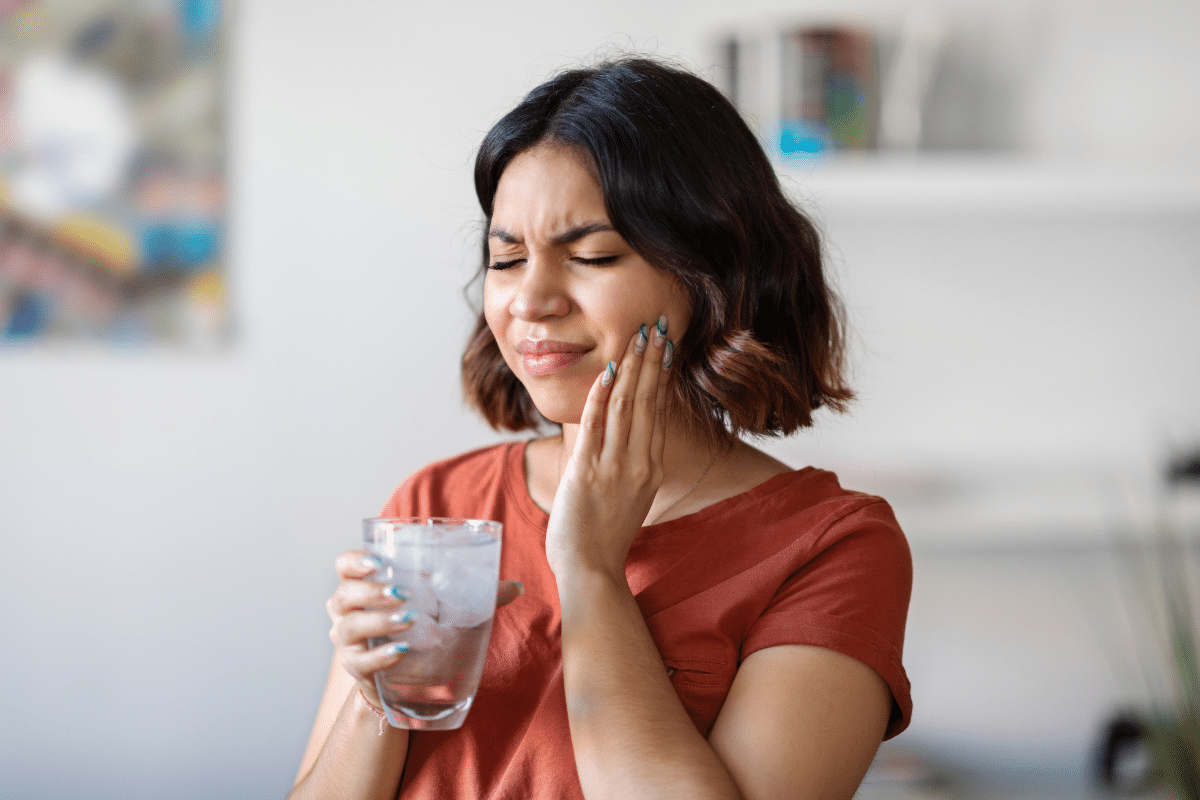
Have you ever stepped outside on a chilly day, only to feel a sharp pain in your teeth? This common issue, known as tooth sensitivity, happens when your teeth react to extreme temperature changes. Cold air can cause the nerves inside your teeth to react, triggering discomfort or even sharp pain.
For residents who enjoy winter strolls around Historic Main Street or attending Snowland, this sensation can be especially noticeable when exposed to cold temperatures. Much of this sensitivity is due to exposed tooth enamel or receding gums. Both of these make your teeth’s inner nerves more vulnerable to external stimuli. If your teeth are already weakened by decay or thinning enamel, the cold air can easily reach the sensitive parts beneath the surface.
Additional Causes Of Tooth Sensitivity In Snowy Months
- Dry Mouth: Cold, dry air reduces saliva, leading to heightened sensitivity. Drink water regularly or use a humidifier to prevent this.
- Sinus Pressure: Winter colds and congestion can put pressure on upper teeth, causing discomfort.
- Teeth Grinding: Stress or cold weather can lead to teeth grinding at night, which wears down enamel and increases sensitivity.
How Winter Activities Can Impact Your Teeth?
Grapevine is known for its vibrant community and outdoor activities, from visiting the Grapevine Vintage Railroad to enjoying local events like GrapeFest. While these activities are fun, they can take a toll on your teeth if you’re not careful.
- Outdoor Exposure: Cold air can trigger pain for those with sensitive teeth.
- Food and Drink Choices: Winter festivities often feature sugary snacks and hot drinks, which can further irritate your teeth.
It’s important to be aware of these activities and take steps to prevent sensitivity when you’re out and about in the community during the colder months.
How To Prevent Tooth Sensitivity In Cold Weather?
There are several ways to protect your teeth from cold-induced sensitivity. Here are a few tips to keep in mind this winter:
- Use Toothpaste For Sensitive Teeth: Specially formulated toothpaste for sensitive teeth helps build a protective barrier on the exposed areas, soothing nerve discomfort caused by cold air.
- Avoid Extreme Temperature Changes: Avoid sudden shifts from hot to cold. For example, don’t drink a hot beverage immediately after eating cold food, as the sudden temperature change can trigger pain.
- Wear A Mouthguard During Outdoor Activities: If you’re enjoying winter sports or simply spending time outside, a custom-fitted mouthguard can protect your teeth from trauma and temperature sensitivity.
- Stay Hydrated: Cold, dry air can cause dry mouth, which can increase sensitivity. Drink plenty of water throughout the day to keep your mouth moist and help protect your teeth from dehydration.
- Visit Your Local Dental Clinic Regularly: Regular dental checkups with your dentist in Grapevine are crucial for catching any underlying dental issues early and ensuring your teeth stay healthy and protected during the winter months.
The Importance Of Regular Oral Checkups
If you’ve been struggling with tooth sensitivity during the winter, it’s a good idea to schedule a dental checkup. Regular visits to a dental clinic or a dentist Grapevine can help ensure any underlying problems, like cavities or gum disease, are caught early before they worsen. These help keep your mouth healthy year-round and protect against seasonal issues like winter-related sensitivity.
When To See A Dental Professional?
If you experience persistent tooth pain or swelling, or if your symptoms worsen in cold air, it may be time to see a dental professional. Delaying treatment can result in more severe conditions that may require costly procedures. Early intervention can save you time, money, and pain.
Winters can be beautiful, with festive events and cold-weather charm, but it also brings challenges for oral health. By following these tips and visiting a specialist regularly, you can avoid unnecessary discomfort and keep your smile looking its best all season long.
If you’re experiencing winter tooth sensitivity or any other oral health issues, don’t wait. Schedule your dental checkup at DFW Smiles today to ensure your teeth remain healthy and comfortable throughout the cold months.
Frequently Asked Questions (FAQs)
Q. Why do my teeth hurt when I breathe in cold air?
Tooth pain from cold air typically occurs due to exposed nerves in sensitive teeth. Enamel erosion or gum recession leaves the inner tooth structure vulnerable to temperature changes, which can trigger discomfort.
Q. Can cold air cause a tooth infection?
Cold air doesn’t directly cause tooth infections, but it can aggravate existing issues like cavities or gum disease. If untreated, these conditions can lead to infection, making cold air feel painful.
Q. How do I stop my teeth from hurting in cold weather?
To prevent tooth pain in cold weather, use toothpaste for sensitive teeth and wear a mouthguard if necessary. Protecting your teeth from sudden temperature changes also helps reduce discomfort.
Q. Is it normal for teeth to be sensitive during the winter?
Tooth sensitivity in winter is common, especially for those with weakened enamel or gum recession. Cold air triggers pain in exposed nerves, but using desensitizing products can alleviate the discomfort.
Q. What can I do if my tooth hurts every time I go outside in the cold?
If tooth pain persists when exposed to cold, schedule a dental visit to check for underlying issues like cavities or enamel wear. Your dentist may recommend fluoride treatments or sealants to reduce sensitivity.