
A dental implant is often considered a long-term solution for missing teeth, but how long can you really expect it to last? Whether you’ve just gotten your prosthetic teeth or are considering the procedure, knowing how to care for them is crucial to maximizing their lifespan. With the right maintenance, your restoration can last a lifetime, giving you a confident, functional smile. Let’s learn the key factors that contribute to the longevity of your treatment and how you can keep your teeth in top condition for years.
The Actual Lifespan Of Dental Implants
Prosthetic teeth are known for their durability and long-term effectiveness. With proper care and regular check-ups, they can last 25 years or more, and many last a lifetime.
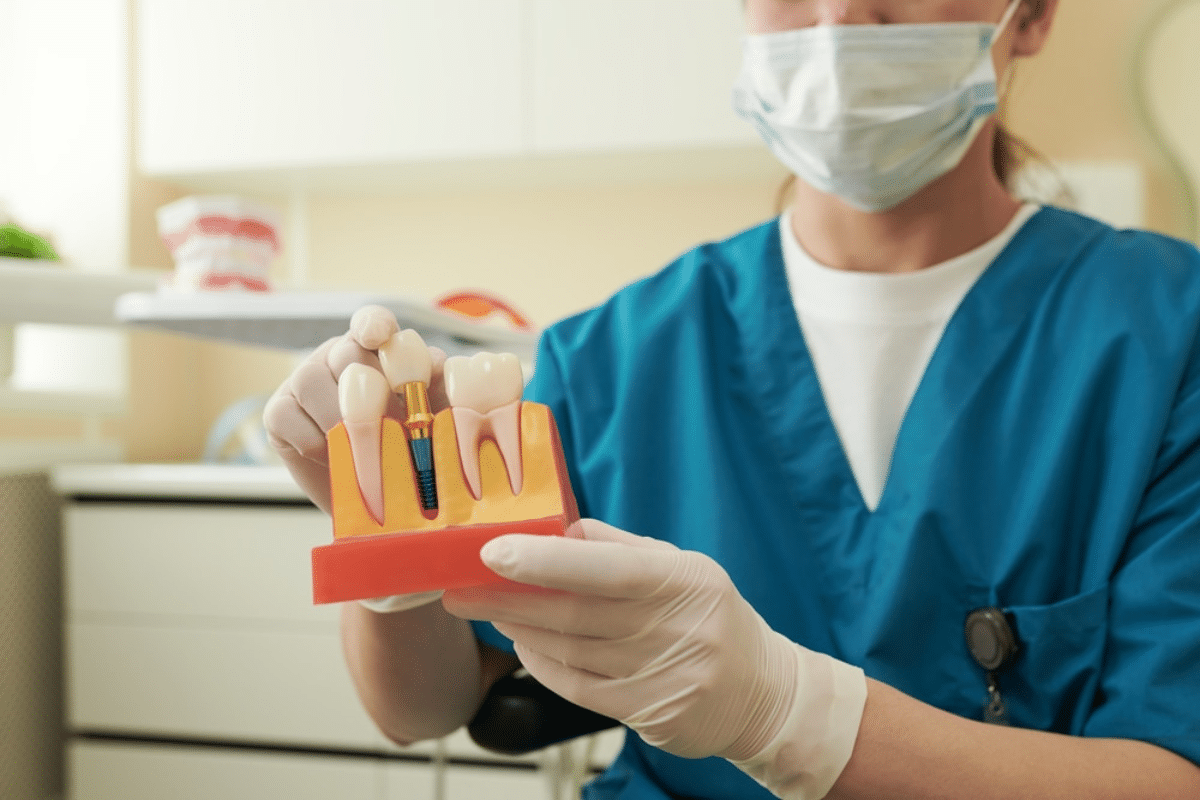
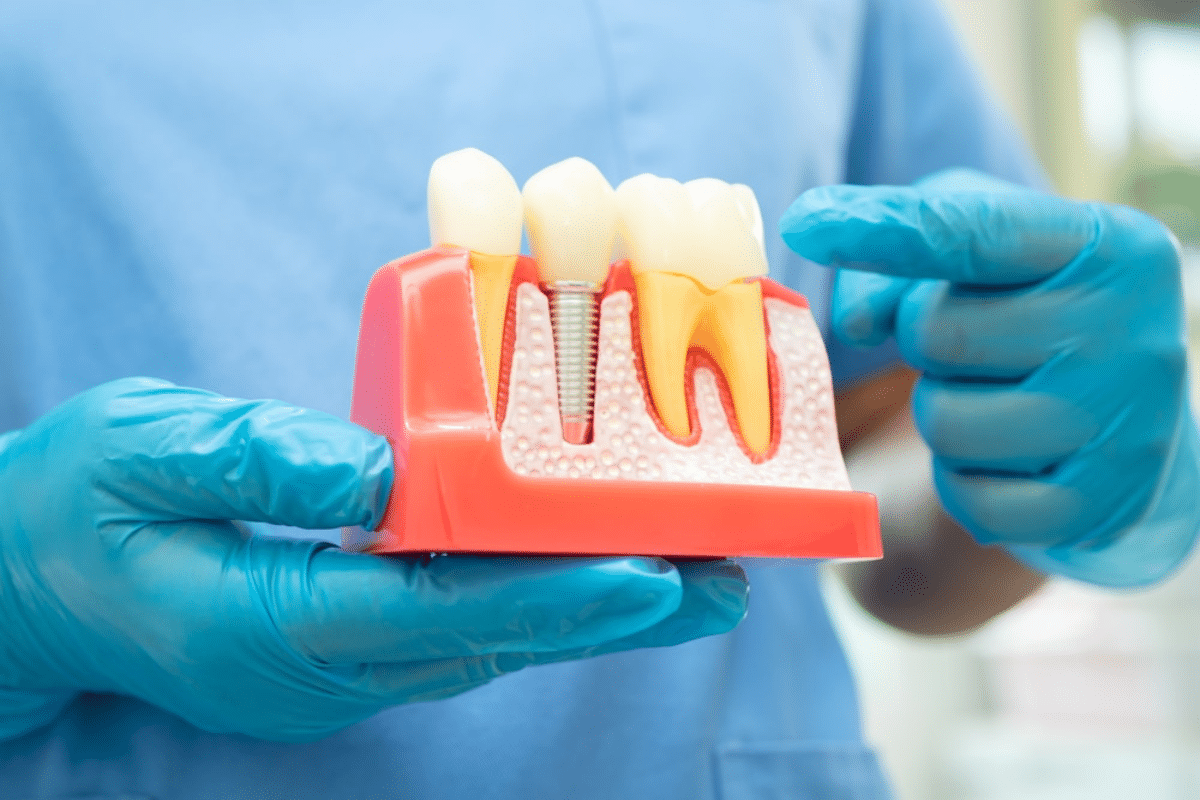
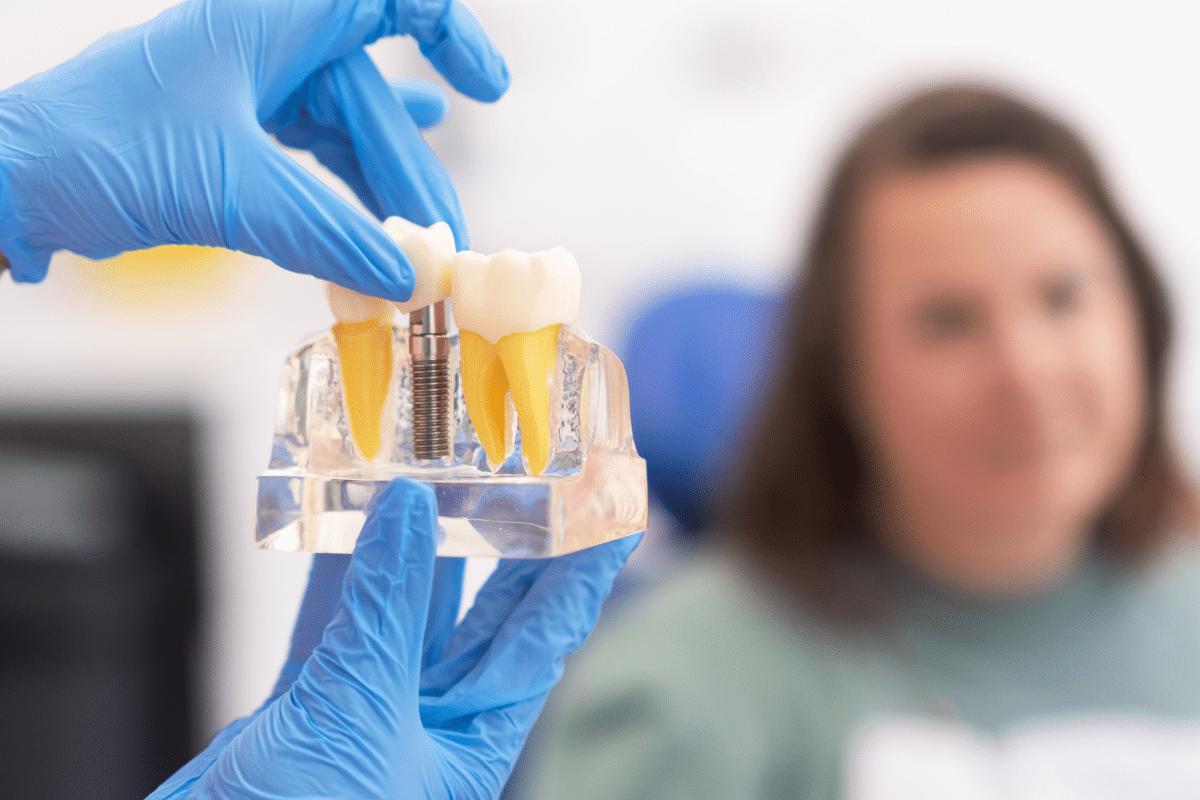
The surgery involves placing a titanium post into your jawbone. This integrates with the bone over time, creating a stable foundation for a crown or bridge. The process, called osseointegration, is why dental posts are so strong and reliable. However, as with all dental work, longevity depends on several factors.
Factors That Affect The Lifespan Of Your Oral Implants
Several factors determine how long your dental implants Grapevine will last. These include:
- Oral Hygiene: Good oral hygiene is crucial. Regular brushing, flossing, and the use of an antibacterial mouthwash can prevent gum disease and infection around the site.
- Lifestyle Choices: Habits such as smoking or excessive alcohol consumption can increase the risk of gum disease and impair the healing process post-surgery. Avoiding these habits will help ensure the longevity of your restoration.
- Routine Check-Ups: Regular visits to a local dentist for professional cleanings and check-ups help ensure that your prosthetic teeth are functioning well and that no issues arise.
- Diet: A healthy diet rich in vitamins and minerals promotes good oral health and supports the healing process. Avoiding hard or sticky foods that could damage the restoration is also essential.
How Does The Healing Process Affect Implant Longevity?
Healing after surgery usually takes several months. During this time, the post fuses with your jawbone. This strong bond is what makes the artificial tooth roots so durable. The success of this healing process significantly affects how long the results last.
In Grapevine, where the weather can be sunny and warm, it’s important to stay hydrated, eat nutritious foods, and follow post-surgical care instructions to ensure optimal healing. Proper healing ensures that the posts are securely anchored and ready for long-term use.
Maintaining Healthy Implants: What You Need To Know?
To extend the life of your permanent dental restoration, a strong at-home care routine is crucial. Here are some important steps:
- Brush and Floss Regularly: Clean your teeth at least twice a day, using a soft toothbrush and non-abrasive toothpaste. Make sure to floss around the restoration to remove food particles and plaque.
- Avoid Hard Foods: Hard or sticky foods can damage both the prosthetic and the surrounding gum tissue. Choose softer foods, especially if you’re still healing.
- Wear a Night Guard: If you grind your teeth at night, a night guard can help prevent excessive pressure on your dental implants Grapevine. This protects both your treatment and your natural teeth.
When To Seek Professional Help For Complications?
While artificial tooth roots are made to be durable, occasional issues may arise. If you notice any of the following, it’s important to seek professional care:
- Pain or Discomfort: Persistent pain, especially around the site, may indicate infection or complications.
- Looseness: If you feel that the prosthetic is loose or has shifted, visit our office immediately.
- Gum Irritation or Swelling: This may indicate an infection or inflammation at the surgical site.
If you are facing these issues, visit our clinic for a quick consultation and fast relief.
Schedule Your Appointment For A Healthy Smile
Dental implants are a reliable, long-lasting solution for replacing missing teeth, but like any treatment, they require proper care. Whether you’re new to this solution or looking to maintain your existing ones, following good oral hygiene practices and visiting our DFW Smiles dentist periodically is essential for longevity. Book your appointment today, and let us guide you on the path to a brighter, healthier smile.
Frequently Asked Questions (FAQs)
- How do I know if a dental implant has failed?
Failure may show as persistent pain, swelling, or looseness long after healing should be complete. If you notice any of these signs, seek a professional evaluation promptly. - Can artificial tooth roots feel sensitive to hot and cold?
Sensitivity can occur if gum recession exposes underlying structures or if inflammation is present. A dental exam helps determine whether sensitivity is due to the restoration or an unrelated condition. - Are prosthetic teeth affected by gum disease?
Yes, gum infection can compromise bone support, increasing the risk of loosening or failure. Maintaining excellent hygiene is critical for long‑term success. - How soon after tooth loss can I get an implant?
Timing depends on bone health; some patients are candidates for immediate placement, while others need a healing period first. Your dentist will assess your anatomy to determine the best schedule. - Can I chew normally with implanted teeth?
Once fully healed, they function very similarly to natural teeth. However, avoiding extremely hard foods can protect both the restoration and surrounding tissues.