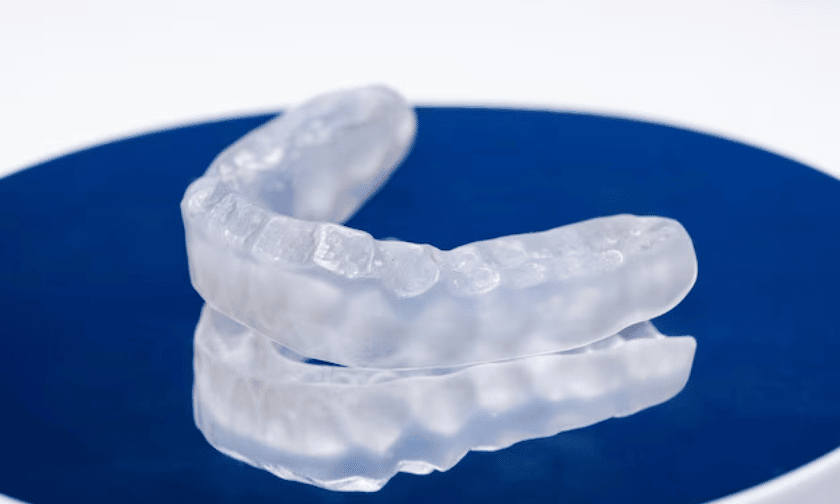


Are you an athlete or do you have a child who loves to play sports? While participating in physical activities can be beneficial for our health, it also comes with the risk of dental injuries. These types of injuries can cause pain and discomfort, not to mention costly dental bills. Fortunately, there’s a simple solution: mouthguards! In this blog post, we’ll discuss how mouthguards protect your teeth from impact and provide tips on choosing the right one for your needs. Let’s get started!
Dental injuries are common in sports
Playing sports is a great way to stay active and healthy, but it also comes with the risk of dental injuries. Whether you’re playing football, basketball, hockey or any other contact sport, there’s always a chance that you could get hit in the mouth by an errant ball or elbow.
Dental injuries can include cracked teeth, broken teeth, fractured jaws and even tooth loss. These types of injuries not only cause physical pain but can also lead to expensive dental bills and long-term oral health issues if left untreated.
In fact, according to the American Dental Association (ADA), athletes who don’t wear mouthguards are 60 times more likely to suffer dental injuries than those who do. This statistic alone highlights just how important it is to protect your teeth while playing sports.
It does not just contact sports where players are at risk either – non-contact activities such as gymnastics and skateboarding also pose a threat of dental injury due to falls and collisions with equipment or surfaces. Therefore no matter what type of sport you play or activity you take part in; protecting your teeth should be a priority!
Mouth guards protect your teeth from impact
Mouthguards are a vital piece of protective gear for anyone who participates in sports or physical activities. They provide an essential barrier that protects your teeth and gums from the impact of collisions, falls, and other accidents.
When you wear a mouth guard, it helps to reduce the force of any impact on your jaw by distributing it evenly across your teeth. This reduces the likelihood of tooth fractures, dislocations, and other dental injuries due to sporting accidents.
Mouth guards also act as shock absorbers that help absorb and dissipate energy when you experience sudden impacts while participating in sports. This significantly reduces the risk of injury to both your teeth and supporting structures.
The benefits extend beyond just protecting against dental injuries; mouthguards can also help prevent concussions caused by blows to the head during contact sports like football or hockey. By providing a cushioning effect between your upper and lower jaws, they can minimize traumatic brain injuries too.
Wearing a mouthguard is an excellent way to protect yourself from serious dental injuries when playing sports. With proper care and maintenance, they can last for several years making them an affordable investment in oral health protection!

How to choose the right mouthguard
Choosing the right mouthguard is crucial in ensuring that your teeth are adequately protected during sports activities. When selecting a mouth guard, there are specific factors you need to consider to make sure it’s the perfect fit for you.
The first factor is the material of the mouthguard. There are three types: stock, boil and bite, and custom-fit. Stock mouth guards come pre-formed and ready-to-wear but may not offer a comfortable or secure fit. Boil and bite options can mould better to your teeth by boiling them and then biting down on them afterwards; they provide a snugger fit than stock guards but less so than custom-fit ones which must be made specifically for your mouth.
Additionally, pay attention to thickness as well as breathability – thicker materials tend to offer more protection against strong impacts but might cause difficulty breathing while playing sports that require constant movements like basketball or soccer.
Make sure that it fits securely in your mouth when you close your jaw without feeling too tight- this will ensure maximum comfort throughout sporting activities!
How to use a mouthguard
Using a mouthguard may seem straightforward, but there are some important things to keep in mind. Firstly, make sure your mouth guard fits correctly and feels comfortable in your mouth. If it doesn’t fit properly or is uncomfortable, you won’t want to wear it during sports activities.
Next, be sure to clean your mouthguard before and after each use with soap and water or a mild antiseptic solution. This will help prevent the buildup of bacteria that can cause bad breath or other oral health issues.
When putting on your mouth guard, start by placing it over your upper teeth and bite down gently. Use your fingers to press the material onto the contours of your teeth for a secure fit. Don’t forget to breathe normally through both nose and mouth while wearing it.
During the activity, avoid chewing on or biting down too hard on the mouthguard as this can damage the material over time. Additionally, always remove any excess saliva from inside the guard periodically throughout playtime for increased comfort.
By following these tips for using a mouth guard correctly, you’ll not only protect yourself from dental injuries but also maintain good oral hygiene practices!
To sum it up, dental injuries are common in sports and can have severe consequences that can be prevented with the use of mouth guards. Choosing the right mouth guard and using it correctly is crucial to ensure maximum protection for your teeth during physical activities.
Don’t take any chances when it comes to protecting your smile – invest in a high-quality mouth guard that fits you properly and follows the proper care instructions. By taking these steps, you can enjoy playing sports without having to worry about dental injuries ruining all the fun!