
Welcome to our blog post on dental implants, the permanent solution for tooth loss! If you’re missing one or more teeth and seeking a long-lasting solution that not only restores your smile but also improves your oral health, then dental implants are the answer you’ve been looking for.
Benefits of Dental Implants
One of the major benefits of dental implants is their ability to provide a permanent solution for tooth loss. Unlike other options such as dentures or bridges, which may need to be replaced over time, dental implants are designed to last a lifetime with proper care.
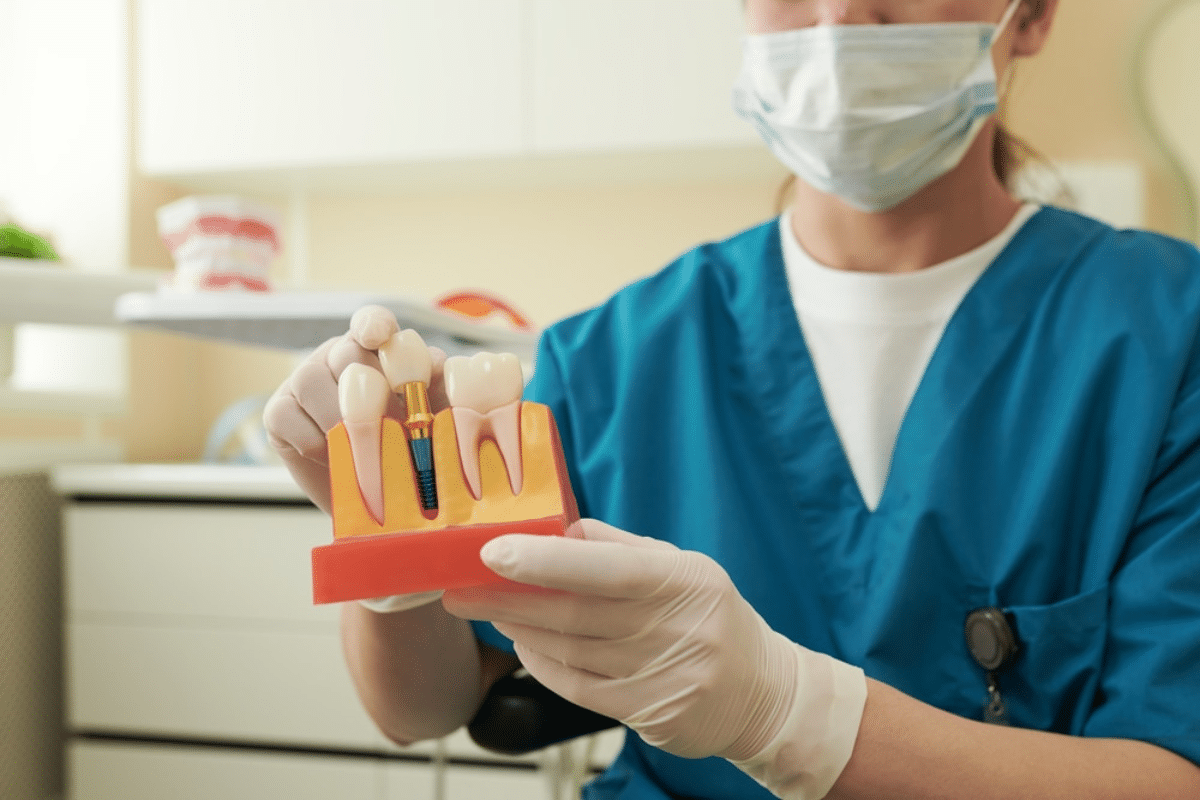
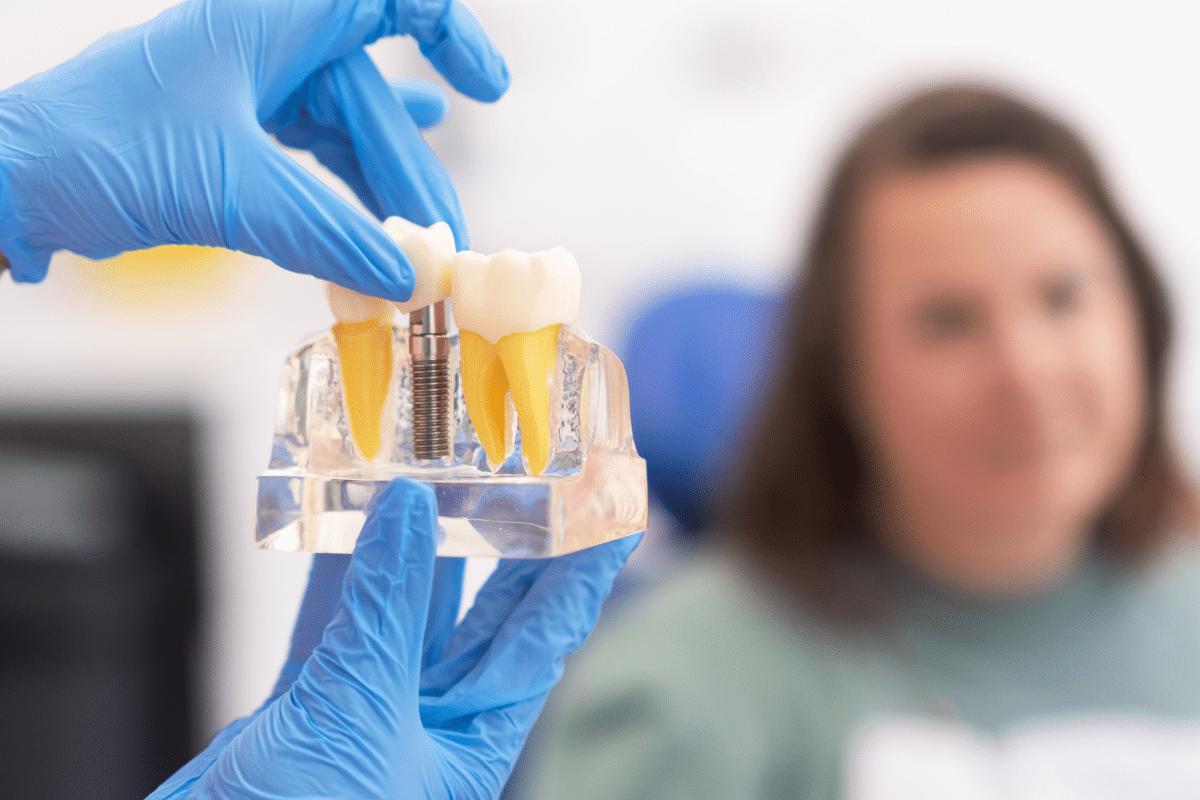
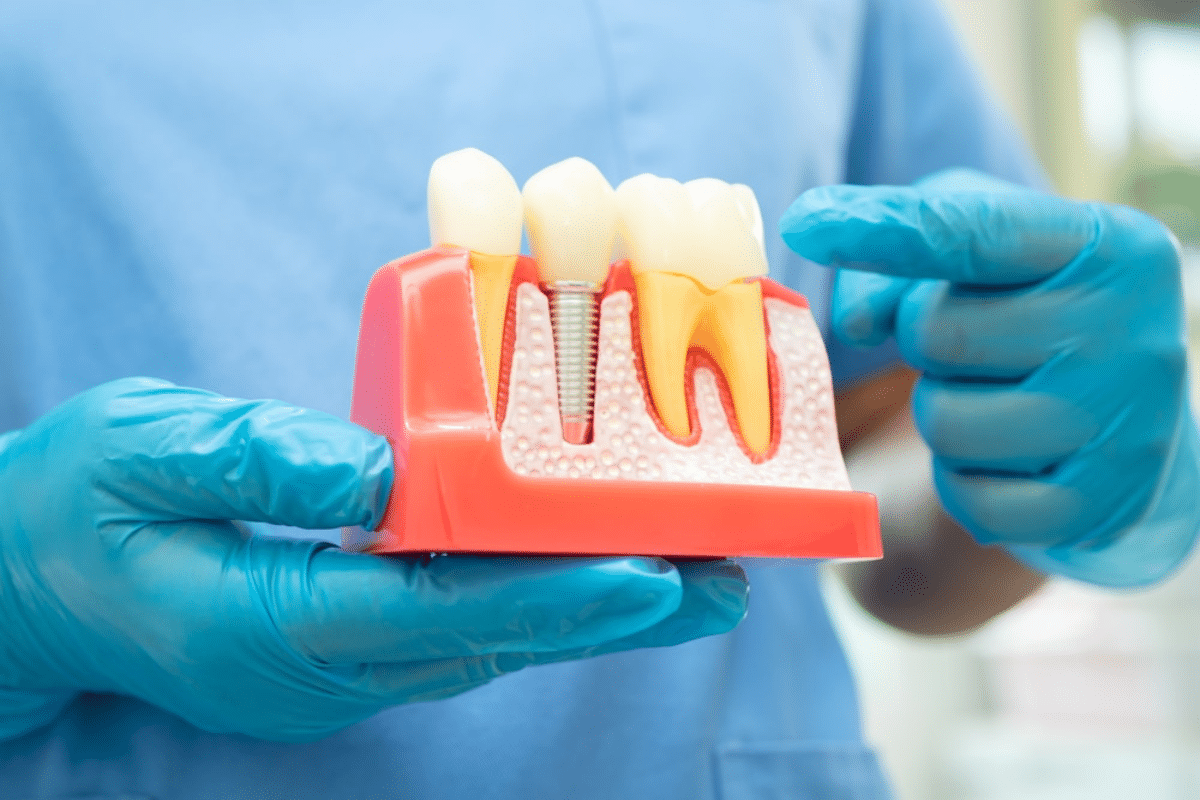
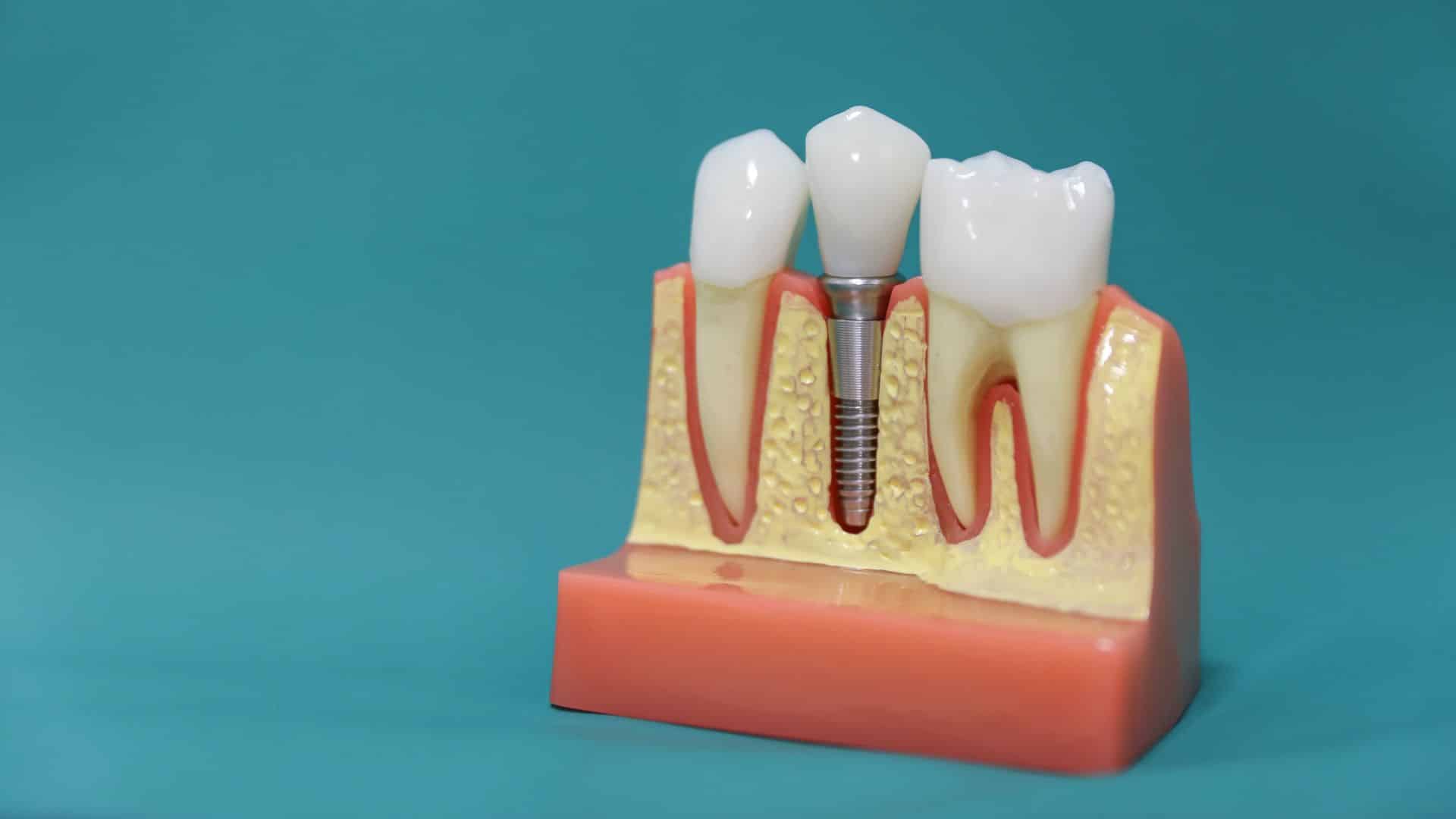
Another advantage of dental implants is that they look and feel just like natural teeth. The implant itself acts as a replacement for the tooth root and provides a stable foundation for an artificial tooth (or crown) that is custom-made to match your existing teeth in shape, size, and color. This ensures a seamless integration with your smile.
Additionally, dental implants offer improved functionality compared to traditional solutions. Dentures can slip or shift while eating or speaking, causing discomfort and embarrassment. With dental implants firmly anchored in your jawbone, you can enjoy all your favorite foods without worry.
Types of Dental Implants Available
When it comes to dental implants, there are various types available depending on your specific needs and preferences. The two main categories of dental implants are endosteal and subperiosteal implants.
Endosteal implants are the most common type used in dental implant procedures. These implants are surgically placed directly into the jawbone, acting as artificial tooth roots. They provide a strong foundation for replacement teeth such as crowns or dentures. Endosteal implants can be made from titanium or ceramic materials, both known for their durability and biocompatibility.
Subperiosteal implants, on the other hand, are an alternative option for patients who have insufficient bone height in their jawbones to support endosteal implants. Instead of being inserted into the jawbone, subperiosteal implants rest on top of the bone but beneath the gum tissue. This type of implant is custom-made based on detailed impressions or 3D scans of the patient’s mouth.
Aftercare and Maintenance for Dental Implants
1. Follow a Good Oral Hygiene Routine: Just like natural teeth, dental implants require regular brushing and flossing to keep them clean and free from plaque buildup. Use a soft-bristled toothbrush and non-abrasive toothpaste to gently brush around the implant area.
2. Schedule Regular Dental Check-ups: Make sure to visit your dentist regularly for check-ups and professional cleanings. This allows your dentist to monitor the condition of your implants, detect any potential issues early on, and provide necessary treatments if needed.
3. Avoid Chewing Hard or Sticky Foods: While dental implants are designed to be durable, it is still important to avoid chewing on hard objects or sticky foods that can put excessive pressure on the implants or cause damage.
4. Quit Smoking: Smoking not only affects overall oral health but can also hinder the healing process after implant surgery. If you smoke, consider quitting or reducing your smoking habits for better long-term results.
5. Protect Your Implants during Physical Activities: If you participate in activities that may pose a risk of facial trauma (such as contact sports), wearing a mouthguard can help protect both your natural teeth and dental implants from potential damage.
Remember that maintaining good oral hygiene practices along with regular visits to your dentist will go a long way in ensuring the success of your dental implants! By choosing dental implants as a permanent solution for tooth loss, you are investing in not just restoring your smile but also improving overall oral health and quality of life.