

Are you considering dental implants? This comprehensive blog discusses each step of the dental implant procedure. Whether you’re missing one or multiple teeth, dental implants can provide a permanent solution that restores your smile and improves oral health. Gone are the days of uncomfortable dentures or bridges that require constant maintenance. Dental implants offer numerous benefits, including increased stability, improved speech, and chewing ability, enhanced facial aesthetics, and long-lasting results. From initial consultations with your dentist to post-implant care and maintenance tips, we’ve covered you at every step. So, let’s understand what to expect during a dental implant procedure!
What Is Dental Implants
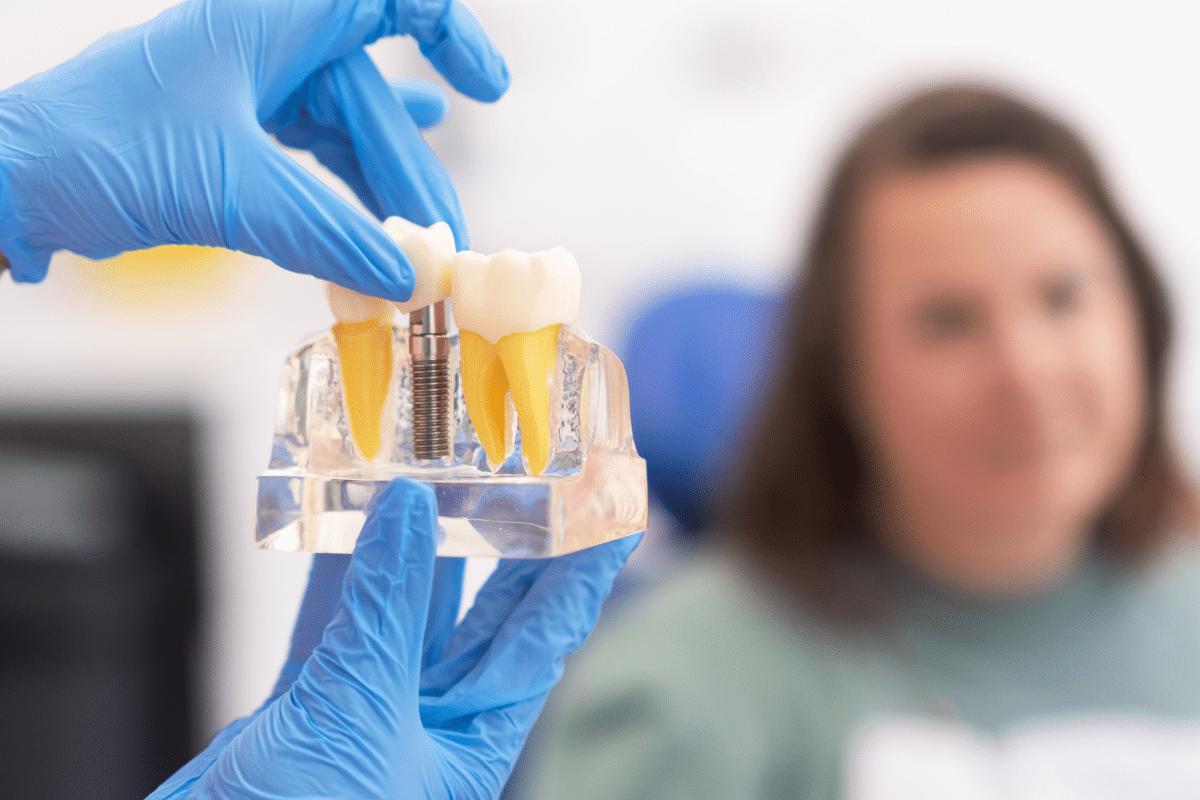
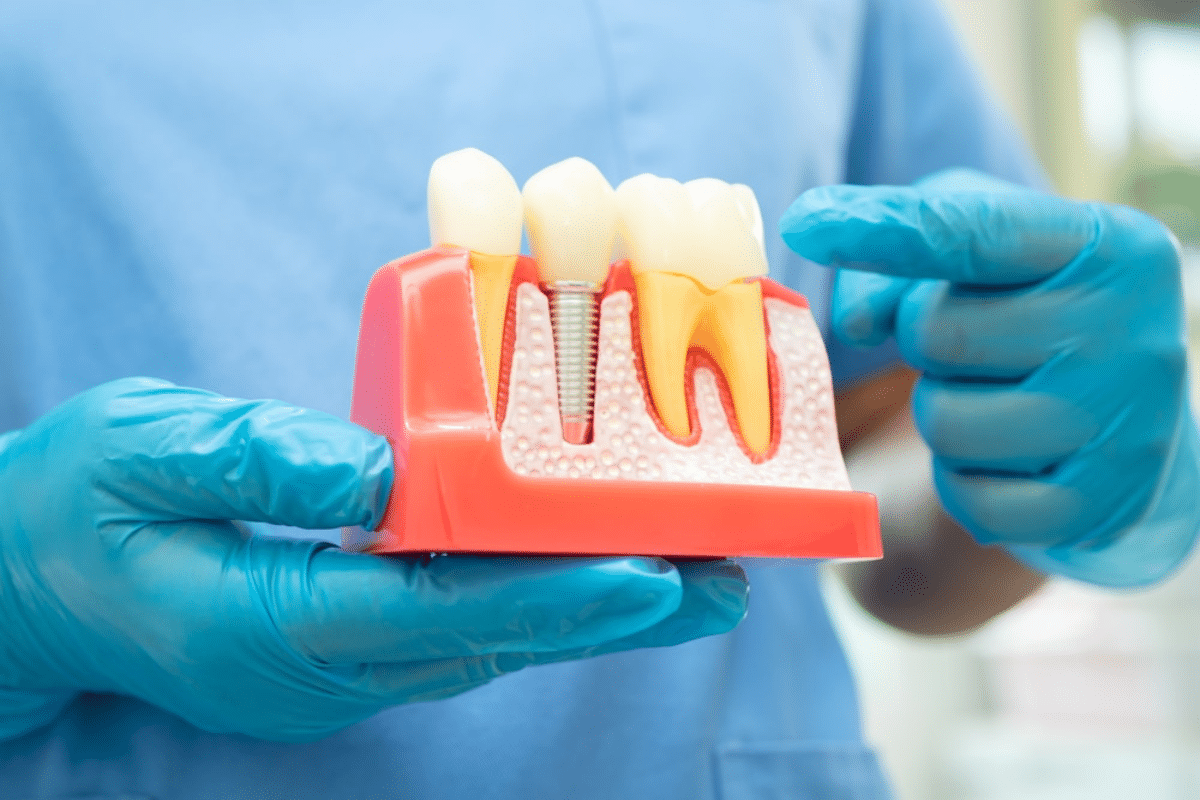
Dental implants are a revolutionary solution for replacing missing teeth. Dental implants are surgically placed directly into the jawbone, unlike dentures or bridges, which sit on top of the gums or rely on adjacent teeth for support. Dental implants are made from biocompatible materials such as titanium and act as artificial tooth roots. They provide a sturdy foundation for prosthetic teeth that look and function like natural ones. The implant fuses with the surrounding bone through osseointegration, creating a strong and durable bond. One of the key advantages of dental implants is their ability to prevent bone loss in the jaw. When a tooth is lost, the underlying bone can deteriorate over time without stimulation from chewing forces. Implants help preserve this precious bone tissue by mimicking natural tooth roots and stimulating bone growth. Another important aspect is that dental implants offer exceptional stability and comfort compared to other tooth replacement options. Since they are securely anchored in the jawbone, there’s no worry about slipping or clicking while speaking or eating. This provides patients with improved speech clarity and greater confidence during social interactions. Furthermore, dental implants boast an impressive longevity that surpasses traditional restorative solutions like dentures or bridges. Proper care and maintenance can last a lifetime – making them a valuable investment in oral health and overall well-being. Dental implants are artificial tooth roots that provide a solid foundation for prosthetic teeth replacements while preventing bone loss in the jaw. They offer superior stability, comfort, and longevity compared to other alternatives in restorative dentistry today.
Procedure Of Dental Implant
The dental implant procedure is a multi-step process that involves several stages to ensure the successful placement of an artificial tooth root and crown. Here is a step-by-step guide to give you an overview of what to expect during the procedure. First, your dentist will conduct a comprehensive examination of your oral health, including X-rays and scans, to assess the condition of your jawbone and determine if you are a suitable candidate for dental implants. Next, if necessary, any damaged or decayed teeth will be extracted before implant placement. This ensures that there is enough space for the new implant. Once your mouth is ready, the actual implantation process begins. A small titanium post will be surgically inserted into your jawbone as an artificial tooth root. This post acts as a sturdy foundation for the prosthetic tooth. After this initial surgery, there is usually a healing period called osseointegration, where the bone fuses with the implant screw. During this time, temporary crowns may be placed on top to maintain aesthetics and function. Once osseointegration occurs, abutments are attached to securely connect the permanent crown or bridge to the implanted post. Impressions are taken so custom-made restorations can be fabricated in a dental lab. After some adjustments and fittings by your dentist, your new permanent prosthetic tooth or teeth will be attached to these abutments, completing your smile transformation. It’s important to note that each patient’s experience may vary slightly depending on their needs and circumstances. Your dentist will provide personalized guidance throughout every stage of treatment to ensure comfort and optimal results.
What To Expect During Dental Implant
During the dental implant procedure, you can expect a step-by-step process that ensures the best possible outcome for restoring your smile. The first stage involves a thorough examination and consultation with your dentist to determine if you are a suitable candidate for dental implants. Once it is established that implants are right for you, the next step is the placement of the implant itself. This involves surgically inserting a titanium post into your jawbone, which acts as an artificial tooth root. While this may sound intimidating, local anesthesia will ensure your comfort throughout the procedure. After this initial placement, there is a healing period known as osseointegration, where the implant fuses with your jawbone. This typically takes several months but allows for optimal stability and durability. Once healed, an abutment is attached to the implant, a connector between the implant and the replacement tooth or crown. Your dentist will take impressions of your teeth to create custom-made restorations that match perfectly with your natural teeth in color and shape. These restorations are securely attached to the abutments completing treatment. It’s important to note that while some discomfort may be experienced during recovery periods after each stage of treatment, any pain should be minimal and manageable with over-the-counter pain medication prescribed by your dentist. Understanding what to expect during a dental implant procedure can help alleviate any anxieties or uncertainties about undergoing this transformative dental treatment option!
Maintenance And Care After Dental Implant
Taking care of your dental implant is crucial for its long-term success and oral health. After the procedure, your dentist will provide instructions on properly maintaining and caring for your new implant. Here are some general guidelines to keep in mind.
Oral hygiene:
Brushing and flossing regularly remain essential, even with dental implants. Use a soft-bristle toothbrush and non-abrasive toothpaste to clean around the implant area gently. Floss carefully, making sure not to irritate the gum tissue.
Avoid tobacco:
Smoking or using any tobacco products can negatively impact the healing process of your implant. It increases the risk of infection and may lead to implant failure. Quitting smoking can greatly improve the chances of successful integration.
Regular check-ups:
Schedule routine visits with your dentist to monitor your dental implant’s condition and oral health.
Be mindful of chewing habits:
While dental implants are designed to function like natural teeth, it’s important to avoid biting down on hard objects or excessively sticky foods that could potentially damage or dislodge the prosthetic tooth.
Protect against grinding:
If you have a habit of grinding or clenching your teeth at night (bruxism), discuss this with your dentist, who may recommend wearing a nightguard to protect natural teeth and dental implants from excessive force.
Benefits Of Dental Implant
Dental implants offer a range of benefits When restoring your smile and improving oral health. First and foremost, they provide a permanent solution for missing teeth. Dental implants are designed to last a lifetime with proper care, unlike dentures or bridges that need to be replaced over time. One major advantage of dental implants is their natural appearance. They look and feel just like real teeth, blending seamlessly with the rest of your smile. This can boost your self-confidence and allow you to speak and eat without discomfort or embarrassment. Another benefit is improved oral health. Dental implants don’t require alteration or support from adjacent teeth like bridges do. This means your healthy teeth remain intact, promoting better dental hygiene. In addition to these aesthetic and functional advantages, dental implants also help preserve bone structure in your jaw. When a tooth is lost, the underlying bone may deteriorate over time. Implants stimulate the jawbone and prevent deterioration by acting as artificial tooth roots. Opting for dental implants can enhance your smile’s appearance and overall quality of life. With their durability, natural look, improved oral health benefits, and jawbone structure preservation, many individuals choose this innovative tooth replacement option.
Dental implants offer an effective and long-lasting solution for restoring missing teeth that improves your smile and enhances your oral health and quality of life. Understanding each step in obtaining dental implants and what to expect before, during, and after treatment will make you feel more confident about this transformative procedure. Remember that every case is different, so consult your dentist about your suitability for dental implants. With their expertise and guidance, you’ll soon have a beautiful new smile that will last you a lifetime!