

Missing teeth can impact more than just your smile; they can affect your ability to eat, speak, and maintain long-term oral health. With the help of two of the most effective solutions available today—dental bridges and implants—you can replace missing teeth. But how do you know which option is best for you?
In this guide, we’ll explain the differences between these two popular tooth replacement options so you can make an informed, confident decision, whether you’re new to dental care or looking for a second opinion near Grapevine.
What Is a Dental Bridge?
A dental bridge is a non-surgical solution for replacing one or more missing teeth. It works by anchoring an artificial tooth between two healthy teeth or crowns. The supporting teeth are reshaped and fitted with caps to hold the bridge in place.
Why Some Patients Choose Bridges:
- They offer a quicker turnaround.
- They are great for patients with insufficient jawbone.
- They are generally more affordable upfront.
- They are effective in restoring function and appearance.
Bridges often require the reshaping of nearby healthy teeth and may need replacement after several years of use.
What Are Dental Implants?
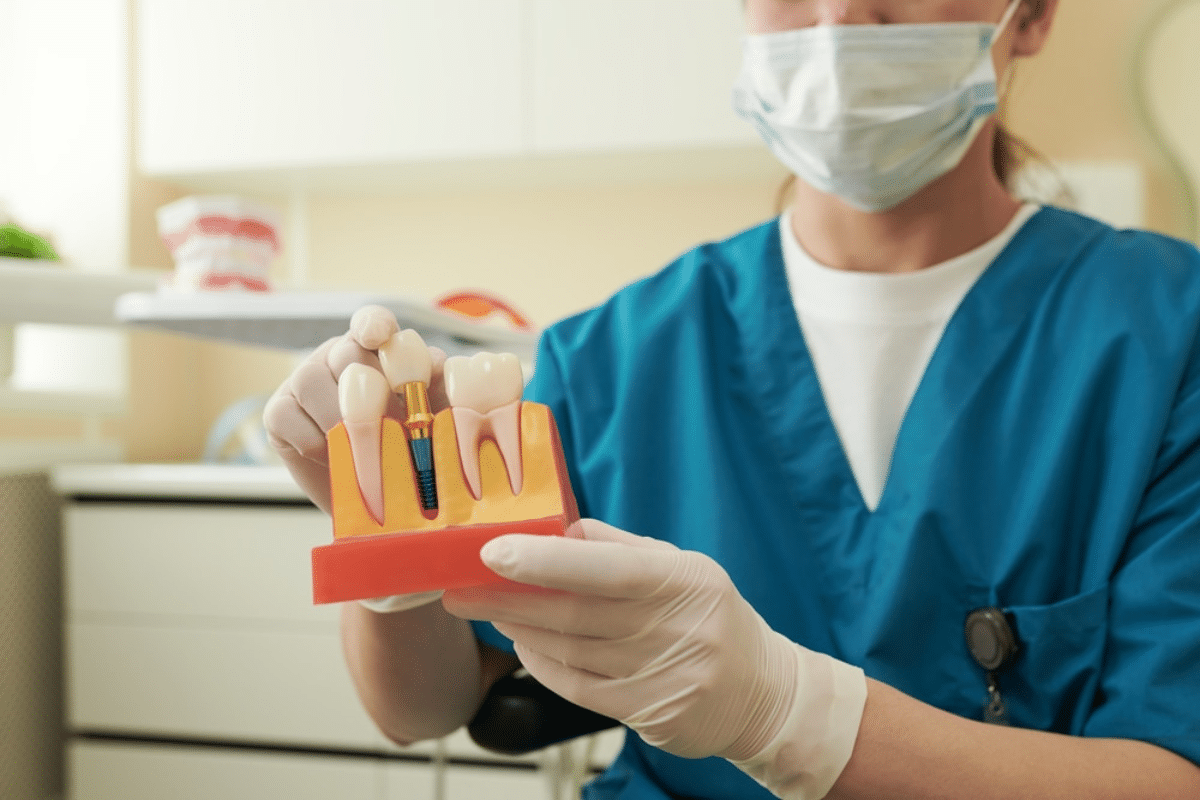
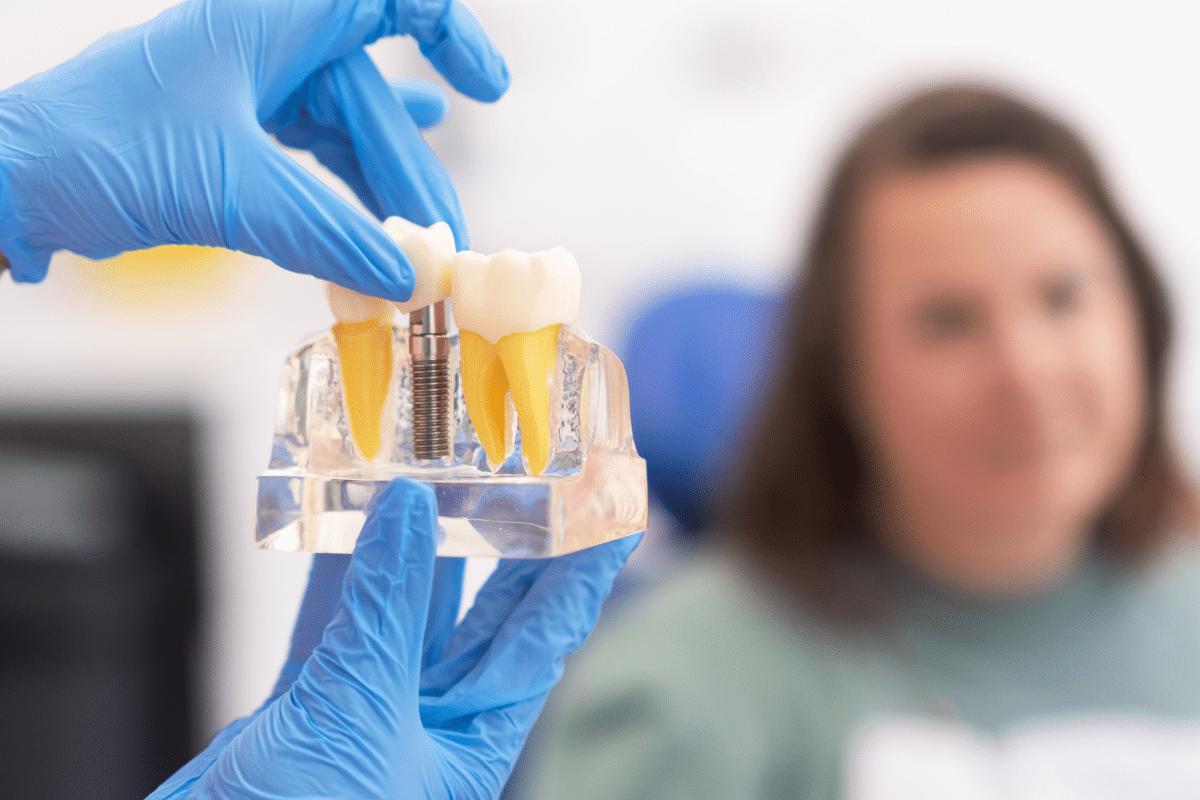
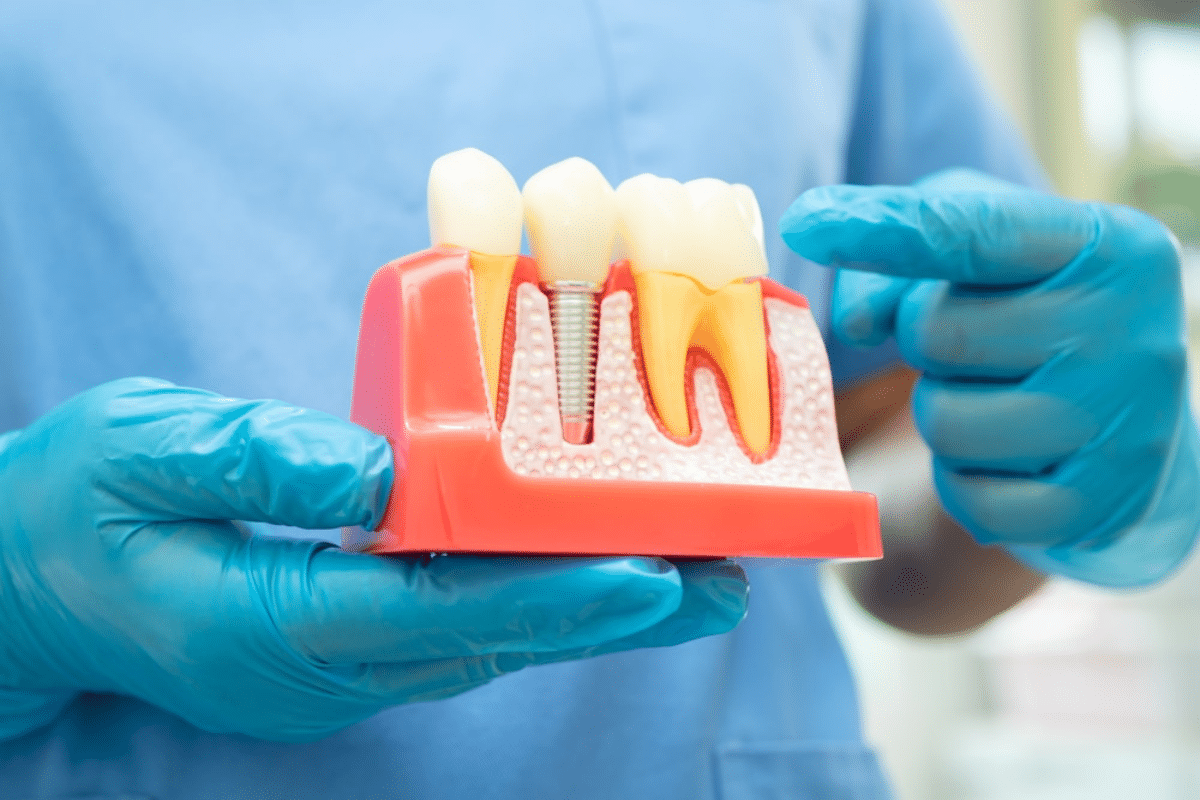
Dental implants are long-lasting replacements that mimic the root of a missing tooth. These dental posts are placed directly into the jawbone and topped with a natural-looking crown. Over time, the artificial tooth root fuses with the bone, offering strong support and stability.
Why Implants Stand Out:
- Preserve jawbone density and facial structure
- Don’t impact surrounding healthy teeth
- Look, feel, and function like real teeth
- Often, they last for decades with proper care
While titanium tooth roots require a surgical procedure and healing period, many patients feel the lasting benefits outweigh the wait.
Key Differences Between Bridges and Implants
While both options are designed to restore your smile, the main differences lie in durability, cost, procedure type, and long-term oral health impact.
Bridges are typically quicker and more cost-effective, while implants offer a more permanent, natural-feeling solution that helps prevent bone loss. Your dentist will assess your gum health, jawbone strength, and personal goals to recommend the best option.
If you’re considering dental implants in Grapevine, work with a dentist who will tailor the treatment based on your needs and health history.
Who Should Choose Dental Bridges?
Bridges are often the right solution for patients who:
- Want a faster treatment timeline.
- Have nearby teeth that can support the bridge.
- Prefer a non-surgical option.
- Have health conditions that make surgery riskier.
These tooth restorations can provide excellent function and aesthetics when placed properly and maintained through routine care.
Who Should Choose Dental Implants?
Implants may be ideal if you:
- They are in good overall health and have healthy gums.
- Have enough bone density to support the implant.
- Want a long-term, low-maintenance solution.
- Prefer not to involve adjacent teeth in your restoration.
These permanent dental restorations are known for their durability and ability to maintain your facial structure over time.
Which Option Is Right for You?
The best solution depends on your oral health, goals, and lifestyle. Both of these options have their advantages, but for many patients, dental implants offer the most natural, long-lasting results.
Restore Your Smile With Permanent Tooth Restorations
At DFW Smiles, we offer tailored care and professional guidance for dental implants in Grapevine. Schedule your consultation today and take the next step toward restoring your confident smile.