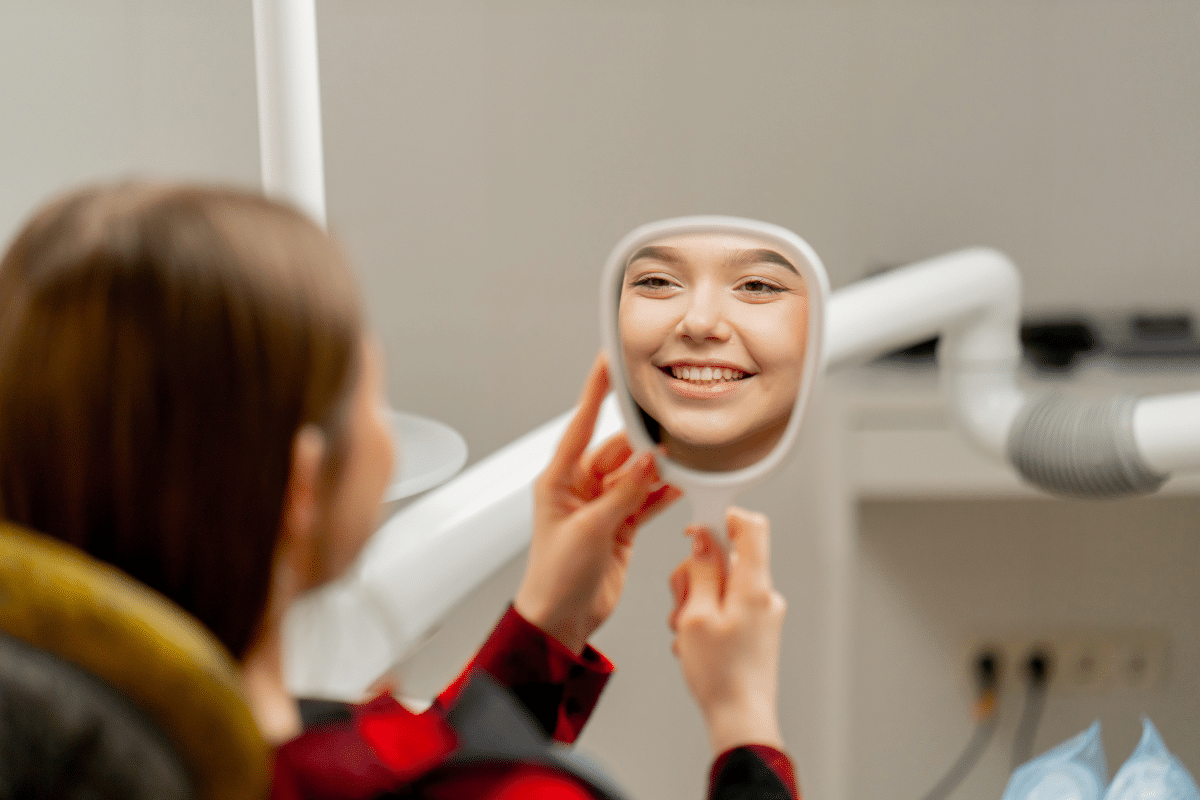


Achieving a bright, dazzling smile through professional teeth whitening or cosmetic enhancements can instantly boost your self-confidence, revitalize your appearance, and change how you interact with the world. However, maintaining those radiant, head-turning results requires far more than just occasional brushing; it demands consistent, strategic oral care and intentional lifestyle choices.
At DFW Smiles, under the guidance of Dr. William C. Brown, we help patients protect their aesthetic investments with proven, science-backed maintenance routines that keep smiles radiant year after year. If you are looking to preserve your radiant teeth, prevent stubborn discoloration, or elevate your overall oral health, visit our dental office for comprehensive, highly personalized care from our cosmetic dentist in Grapevine, tailored directly to your unique smile goals.
What Causes Whitened Teeth to Lose Their Luster Over Time?
Teeth naturally fade after whitening because microscopic pores within the enamel gradually absorb dark pigments from deeply colored foods, beverages, and environmental exposure. Additionally, routine wear and tear thins the outer translucent enamel layer, progressively exposing the underlying naturally yellowish dentin layer over time.
Understanding Enamel Micro-Pores and Chromogens
To truly understand how tooth stain formation works, it helps to examine basic dental anatomy. Tooth enamel, the hard outer protective coating of your teeth, is built from millions of tightly packed hydroxyapatite crystals. Though extremely dense, enamel is not entirely smooth; it contains tiny microscopic pores and channels. When you consume deeply pigmented food items or beverages, organic color compounds known as chromogens cling to these mineral structures.
Over time, if these particles are not promptly removed, chromogens penetrate beyond the surface layer and bind to organic molecules within the enamel. This chemical binding creates stubborn intrinsic stains that routine surface brushing simply cannot eliminate, leading to a dull or yellowish tint.
The Role of Micro-Dehydration Post-Treatment
Immediately following professional bleaching procedures, your enamel experiences a temporary state of micro-dehydration. During this critical 48-to-72-hour recovery window, enamel lacks its typical protective fluid balance and acts almost like a dry sponge. Consequently, it becomes exceptionally susceptible to absorbing deeply pigmented dyes, artificial colorings, organic tannins, and acidic compounds. Protecting your teeth during this delicate post-treatment timeframe is absolutely essential if you want to secure long-term shade stability.
How Does Your Daily Diet Impact Your Cosmetic Dental Results?
Your daily diet directly dictates how long your cosmetic dental enhancements will remain vibrant, clear, and bright. Highly acidic foods and beverages strip away essential surface minerals and weaken enamel, while heavily pigmented liquids introduce intense chromogens that quickly discolor porous surfaces.
Navigating Local Grapevine Delicacies Without Compromising Your Smile
Living in historic Grapevine offers incredible culinary experiences, from enjoying a rich glass of red along Main Street during GrapeFest to savoring deep-sauced smoked barbecue and sweet marinades at favorite local joints. While these cherished local dining traditions enrich our community life, dark red wines, craft beers, dark berry preserves, and heavy barbecue glazes carry heavy tannin loads that actively coat tooth enamel.
To fully enjoy Grapevine’s vibrant dining scene without dulling your professional whitening investment, consider incorporating these simple protective habits:
- Drink Water Concurrently: Swish fresh, clean water around your mouth immediately after sipping dark wines or enjoying dark, rich sauces to wash away loose chromogens before they set.
- Sip Smart with Straws: Use a reusable straw when drinking iced coffees, sweet teas, dark sodas, or craft beverages to allow liquids to bypass your front aesthetic teeth altogether.
- Incorporate Natural Cleansers: Snack on crisp local produce like apples, pears, celery, and raw carrots. These fibrous foods act as natural abrasive cleansers that stimulate saliva production and scrub away surface debris dynamically as you chew.
What Daily Hygiene Habits Keep Teeth Looking Bright and Healthy?
Maintaining a bright smile requires gentle, non-abrasive daily cleaning, regular interdental flossing, and therapeutic remineralization techniques. Using the correct oral hygiene tools prevents micro-scratches on your enamel, keeping surface stains from finding a permanent foothold.
The Science of Gentle, Remineralizing Oral Care
- Avoid Abrasive Charcoal Pastes: Many over-the-counter whitening pastes and activated charcoal concoctions rely on harsh, gritty particulates. While they may temporarily remove surface buildup, they actually scratch your enamel over time, creating microscopic rough patches where dark stains settle even deeper.
- Choose Soft Bristles and Fluoride: Always opt for an electric or manual toothbrush with soft or ultra-soft bristles. Pair it with a low-abrasive, remineralizing fluoride or nano-hydroxyapatite toothpaste designed to rebuild micro-mineral loss and smooth out enamel surfaces.
- Observe the 30-Minute Rule: According to data published by the National Institute of Dental and Craniofacial Research (NIDCR), over 90% of adults aged 20 to 64 have experienced dental caries in their permanent teeth, emphasizing the crucial, ongoing need to preserve healthy enamel. After consuming acidic foods, citrus, or carbonated beverages, always wait at least 30 minutes before brushing. Brushing immediately while your enamel is acid-softened can inadvertently scrub away essential surface minerals.
Why Are Routine Professional Cleanings Essential After Whitening?
Routine professional cleanings remove calcified plaque (tartar) that regular home brushing simply cannot remove, while safely eliminating fresh extrinsic stains from tooth surfaces. Professional polishers restore a mirror-smooth finish to enamel, making it significantly harder for new stain-causing plaque and bacteria to adhere.
Regular dental visits provide specialized, gentle dental cleanings that respect your current dental work. When looking online for ‘reliable cosmetic dentist near me’, choose a comprehensive practice that assesses enamel thickness, gum health, and structural integrity before advising on touch-ups or maintenance after whitening.
Working with a dedicated cosmetic dentist in Grapevine guarantees that maintenance treatments, such as custom-fitted take-home tray refills or localized touch-up gels, are calibrated safely for your exact bite alignment, shade profile, and sensitivity levels.
How Do Custom Dental Trays Compare to Over-the-Counter Whitening Products?
Custom-fitted dental trays provided by a dental professional offer uniform gel distribution, superior seal protection against saliva degradation, and precisely calibrated active ingredients. Over-the-counter strips and generic trays frequently leak chemical gels onto sensitive gums, leading to uneven whitening results and significant soft-tissue irritation.
The Clinical Advantage of Professional Supervision
When you undergo cosmetic care under expert guidance, your enamel is thoroughly evaluated for underlying micro-cracks, exposed dentin, or existing restorations before any whitening agent is applied. Generic store-bought kits do not account for individual anatomical differences, often causing severe, lingering tooth sensitivity or patchy, inconsistent shade outcomes. Professional custom trays ensure that high-potency bleaching gel remains in direct, continuous contact with tooth surfaces while completely isolating delicate gum tissue.
How Can You Prevent Long-Term Enamel Wear and Staining?
Preventing long-term enamel wear and deep discoloration involves controlling nighttime teeth grinding (bruxism), staying properly hydrated to maintain optimal salivary flow, and addressing chronic acid reflux or systemic health factors. Protecting enamel thickness is the ultimate defense for maintaining natural, bright teeth throughout your life.
Controlling Bruxism and Acid Exposure
- Wear a Custom Nightguard: Unconscious teeth grinding during sleep creates immense mechanical pressure, causing micro-fractures in enamel. These micro-cracks readily trap dark pigments and expose yellow dentin beneath. A custom-crafted nightguard absorbs this force and shields enamel surfaces from physical damage.
- Maximize Hydration for Saliva Production: Saliva is your mouth’s natural defense mechanism. It contains vital calcium, phosphate, and bicarbonate ions that continuously wash away residual food debris, neutralize destructive acids, and naturally remineralize enamel pores throughout the day.
- Manage Acid Reflux and Gastrointestinal Health: Chronic acid reflux or GERD brings stomach acids into the oral cavity, eroding enamel from the inside out. If you suffer from frequent heartburn, consult your medical provider while working with your dentist to apply protective fluoride varnishes.
Frequently Asked Questions (FAQs)
How long does professional teeth whitening typically last?
Professional whitening generally lasts anywhere from 1 to 3 years. Final longevity depends entirely on your personal dietary habits, oral hygiene routine, and the frequency of your routine professional cleanings.
Will professional teeth whitening damage my natural enamel?
No, professional whitening treatments administered by a qualified dentist do not damage enamel. They safely utilize active oxygen molecules to break down deep organic stains trapped within enamel pores.
Why do my teeth feel sensitive right after whitening?
Temporary sensitivity occurs because bleaching agents open microscopic enamel tubules, allowing temperature sensations to reach internal nerve endings. This sensation naturally resolves within a few days after treatment is completed.
Can teeth whitening brighten porcelain crowns or veneers?
No, professional whitening agents are formulated specifically to work on natural tooth enamel. Synthetic dental materials like porcelain or composite resins will not lighten with bleaching gel applications.
How often should I perform touch-up whitening treatments?
Touch-up frequency varies based on personal lifestyle factors and individual stain accumulation rates. Most dental practitioners recommend supervised custom-tray touch-ups every six to twelve months for maximum shade stability.
Does drinking through a straw actually prevent tooth stains?
Yes, using a straw minimizes direct contact between heavily pigmented liquids and the front surfaces of your teeth. This simple habit drastically reduces overall stain accumulation over extended periods.
How soon after whitening can I eat dark foods again?
You should follow a strict “white diet” for at least 48 to 72 hours post-treatment. Avoid dark sauces, red wines, coffees, and teas while your enamel fully rehydrates and stabilizes.
Keep Your Smile Vibrant with DFW Smiles
Maintaining your aesthetic investment requires tailored, science-backed maintenance plans designed by experienced clinical professionals who understand individual oral anatomy. Because every mouth presents unique enamel variations, structural contours, and lifestyle habits, avoiding generic advice is key to achieving long-term cosmetic success.
Contact us today to book an appointment for a personalized diagnostic evaluation. Proudly Serving Grapevine, Colleyville, Hurst, Bedford, Euless, Irving, Southlake, Coppell, Carrollton, Lewisville, TX, and the Surrounding Cities.