
Have you been told you need a dental implant and wondered whether bacteria in your mouth could affect the outcome? It is a common concern among patients who are replacing missing teeth or maintaining an existing implant. The answer is yes—bacterial contamination can influence healing and long-term implant stability. However, proper diagnosis, treatment planning, and oral hygiene can significantly reduce the risk.
At DFW Smiles, patients often ask whether gum infections, plaque buildup, or untreated oral health issues can interfere with implant treatment. Understanding the connection between oral bacteria and implant health can help you make informed decisions about your smile.
If you are considering dental implants in Grapevine, this guide explains what bacterial contamination is, how it affects implant success, and how to protect your investment.
Can Bacterial Contamination Cause Implant Failure?
Yes, harmful oral bacteria can increase the risk of inflammation around an implant, interfere with healing, and contribute to bone loss if left untreated.
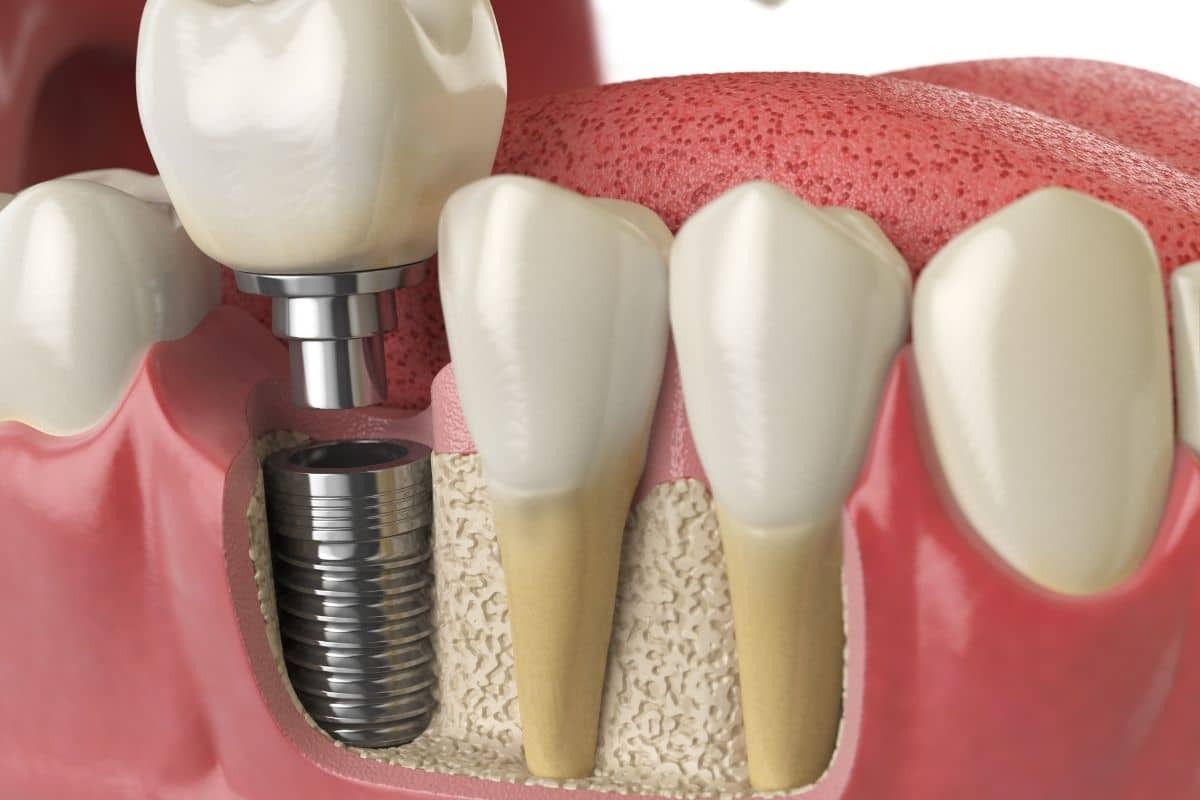
Dental implants rely on a process called osseointegration, in which the jawbone bonds to the implant surface. When excessive bacteria accumulate around the surgical site, the body’s inflammatory response may disrupt this process. In severe cases, infection can affect the surrounding gum tissue and supporting bone.
However, bacterial contamination is often preventable through proper planning, professional care, and ongoing maintenance.
What Types of Bacteria Affect Implant Health?
The same bacteria associated with gum disease, periodontal infection, and plaque accumulation can threaten implant health.
Common Sources of Bacterial Contamination
- Untreated periodontal disease
- Poor oral hygiene
- Heavy plaque and tartar buildup
- Smoking-related bacterial changes
- Uncontrolled diabetes
- Chronic dry mouth
- Inadequate post-surgical care
These factors create an environment where harmful microorganisms can multiply and trigger inflammation around the implant site.
What Is Peri-Implantitis and Why Does It Matter?
Peri-implantitis is an inflammatory condition caused by bacterial accumulation around an implant. It can lead to gum recession and bone loss if not addressed promptly.
One of the biggest content gaps in many implant-related articles is the lack of discussion about peri-implant diseases. Patients often assume that implants cannot develop complications because they are artificial. In reality, the surrounding tissues remain vulnerable to bacterial infection.
Early Warning Signs
- Red or swollen gums
- Inflammation around the implant may indicate bacterial activity.
- Bleeding during brushing
- Healthy tissues should not bleed consistently.
- Persistent bad breath
- Oral bacteria often produce unpleasant odors.
- Gum tenderness
- Discomfort around the implant may signal infection.
- Bone loss visible on X-rays
Advanced infection can affect implant stability. Regular checkups help identify these concerns before they become serious.
Does Having Gum Disease Mean You Cannot Get an Implant?
Many patients with a history of gum disease successfully receive implants after appropriate treatment and stabilization.
A thorough evaluation is essential before implant placement. In many cases, patients require periodontal therapy, professional cleanings, or other treatments before proceeding.
At DFW Smiles, comprehensive examinations help identify active infection, bone quality concerns, and other factors that may affect treatment planning. According to current implant protocols, evaluating oral health before surgery plays a critical role in long-term success.
Patients searching online for “dental implants near me” often focus on replacing missing teeth quickly. However, addressing existing bacterial issues first is one of the most important steps toward predictable outcomes.
How Do Dentists Prevent Bacterial Contamination During Implant Treatment?
Modern implant dentistry uses multiple safeguards to reduce bacterial exposure before, during, and after placement.
Key Prevention Strategies
- Comprehensive Oral Examination
- Dentists evaluate gum health, bone density, and infection risks before treatment begins.
- Professional Cleaning
- Removing plaque and calculus reduces bacterial levels in the mouth.
- Digital Imaging
- Advanced imaging helps identify underlying issues that may not be visible during a routine exam.
- Sterile Surgical Protocols
- Strict infection-control measures help protect the surgical site.
- Personalized Maintenance Plans
Patients receive guidance on oral hygiene and follow-up care after treatment. These measures contribute significantly to successful healing and long-term implant function.
How Important Is Oral Hygiene After Implant Placement?
Excellent oral hygiene is one of the most important factors for long-term implant success.
Many patients believe implants cannot develop problems because they cannot decay like natural teeth. While the implant itself cannot get a cavity, the surrounding tissues remain susceptible to bacterial infection.
Patients who brush thoroughly, floss regularly, attend maintenance visits, and receive periodic professional cleanings typically experience healthier outcomes.
The success of Grapevine dental implants depends not only on the procedure itself but also on how well patients care for their mouths afterward.
Dental professionals frequently see patients who maintain implants successfully for many years because they consistently attend preventive visits. Conversely, complications often occur when routine maintenance is postponed and bacterial buildup goes unchecked.
How Dr. Brown Approaches Implant Health and Infection Prevention
Dr. Brown was born and raised in North Texas and earned his Doctor of Dental Surgery degree from Texas A&M College of Dentistry. He is a member of the American Dental Association and focuses his continuing education efforts on implant dentistry. His approach emphasizes thorough evaluation, patient education, and long-term oral health monitoring.
When a bacterial infection is present in a patient’s mouth, Dr. Brown evaluates factors such as gum health, bone support, and oral hygiene habits before proceeding with treatment. Addressing these concerns early helps create a healthier environment for implant healing and long-term stability.
Why Professional Evaluation Matters Before Implant Placement
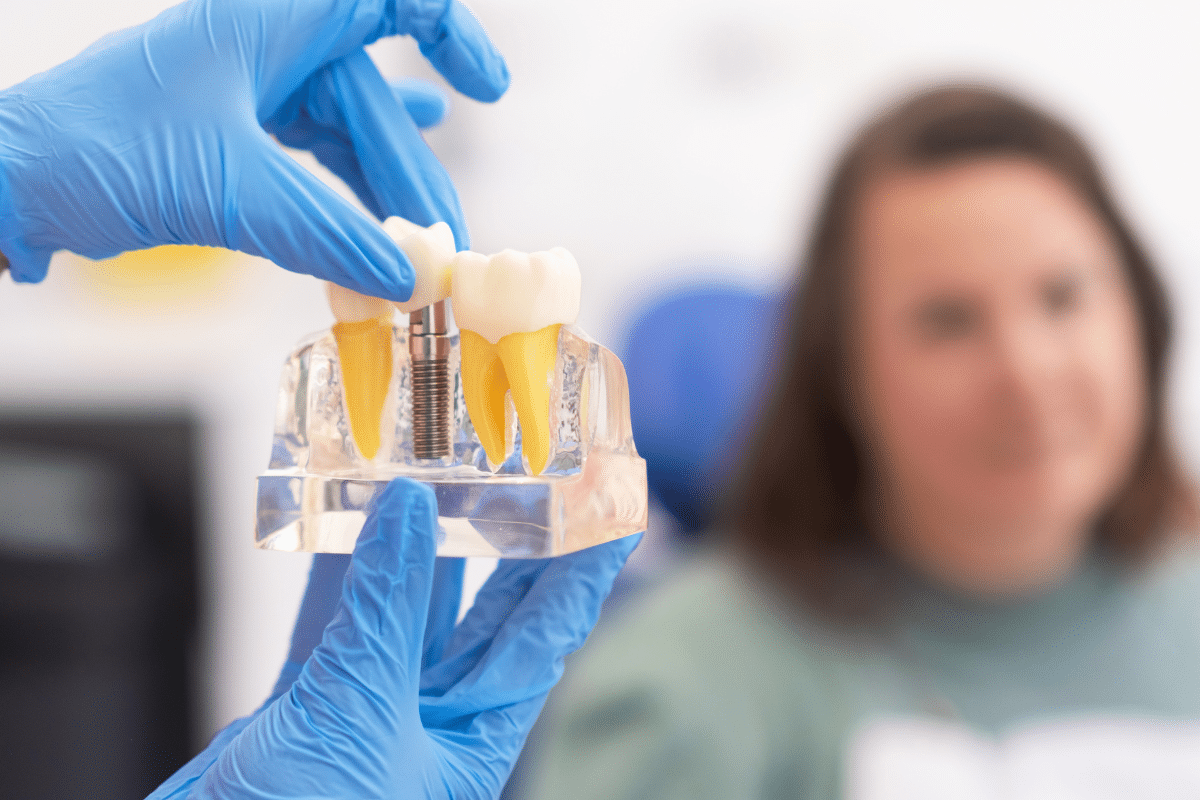
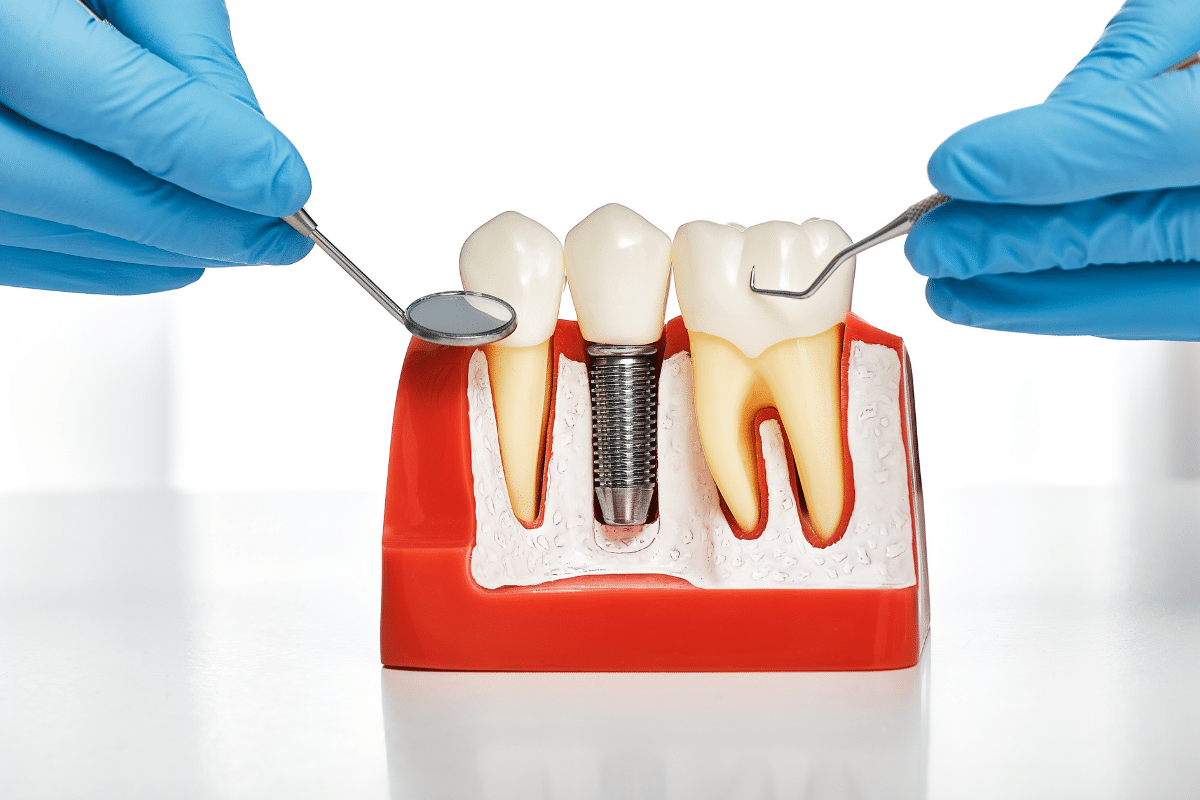
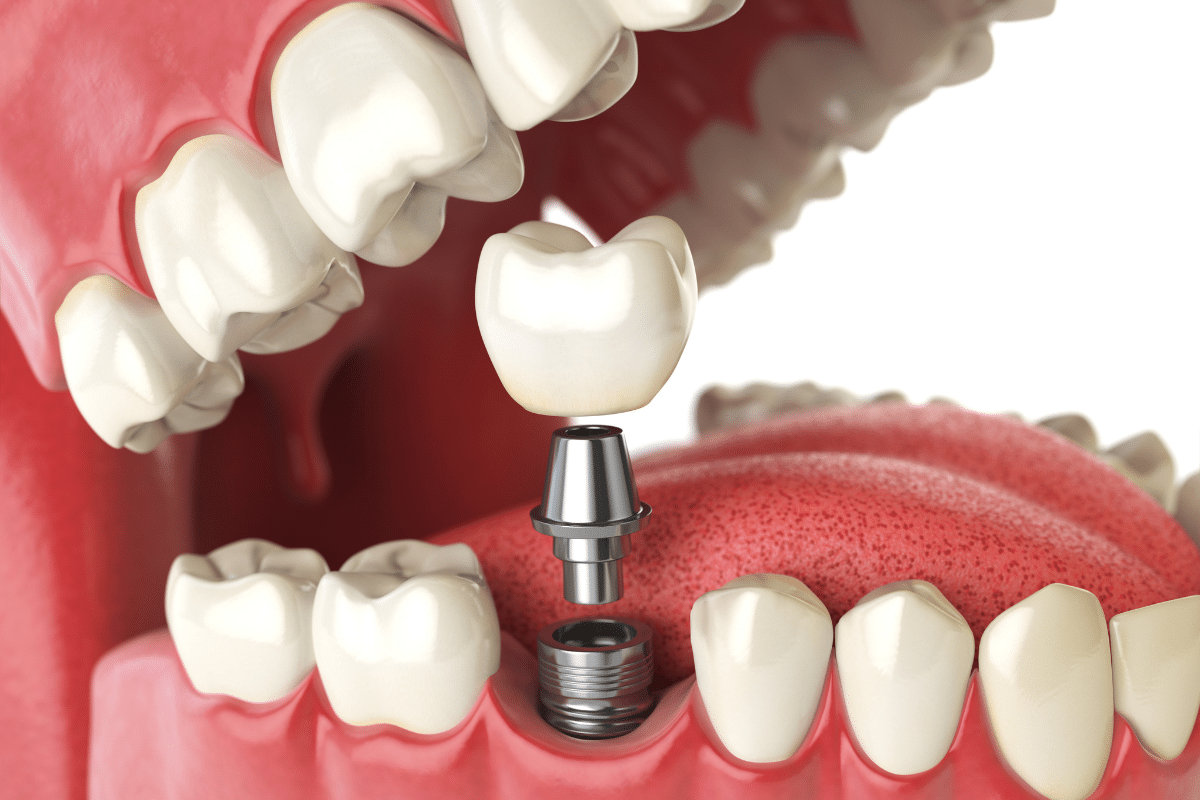
Dental implants function as artificial tooth roots that integrate with the jawbone and support natural-looking tooth replacement. Proper diagnosis helps determine whether the surrounding tissues are healthy enough to support successful healing.
Before moving forward with treatment, visit our dental practice in Grapevine for a complete assessment of your oral health. A professional evaluation can identify bacterial concerns early and help determine the most appropriate treatment path. In addition to implant services, the practice also provides gum disease treatment, crowns, bridges, dentures, and other restorative solutions when needed.
Final Thoughts
Bacterial contamination can affect implant success, but it does not automatically prevent successful treatment. The key is to identify and manage infection risks before and after implant placement. Consistent oral hygiene, regular professional care, and thorough treatment planning all play important roles in protecting your smile.
At DFW Smiles, Dr.Brown and the team focus on helping patients understand their oral health and make informed decisions about tooth replacement. If you are considering dental implants in Grapevine or want an evaluation of an existing implant, schedule a consultation with our dental office today.
Proudly Serving Grapevine, Colleyville, Hurst, Bedford, Euless, Irving, Southlake, Coppell, Carrollton, Lewisville, TX, and the Surrounding Cities.
To learn more or book an appointment, contact DFW Smiles at +181-7281-3444 and take the next step toward a healthier smile.
Frequently Asked Questions
Can an implant become infected years after placement?
Yes. Bacterial buildup can develop around an implant even years after successful treatment. Poor oral hygiene, missed cleanings, and untreated gum inflammation can contribute to peri-implant disease. Regular professional monitoring helps detect problems early and supports long-term implant health.
How can I tell if bacteria are affecting my implant?
Common signs include bleeding gums, swelling, tenderness, persistent bad breath, or a loose feeling around the implant area. If you notice any of these symptoms, schedule a professional examination promptly. Early intervention often prevents more serious complications.
Are smokers at greater risk for implant-related infections?
Yes. Smoking can affect blood flow, slow healing, and alter the balance of oral bacteria. These factors may increase the likelihood of inflammation around an implant. A dental evaluation can help determine your individual risk and identify strategies to support healing.
Should gum disease be treated before implant surgery?
In most cases, yes. Active periodontal disease increases bacterial levels and may compromise healing. Treating gum disease before implant placement creates a healthier foundation and can improve long-term treatment outcomes. A comprehensive oral examination helps determine readiness for treatment.
How often should implant patients visit the dentist?
Most implant patients benefit from routine examinations and professional cleanings every few months, depending on their oral health status. These visits allow clinicians to monitor gum health, evaluate bone support, and remove bacterial buildup before it causes complications. Regular follow-up care remains one of the most effective ways to protect implant health.